On July 20, 2026, Alibaba Cloud summarized a group of WAIC 2026 announcements under a shift from AI-native to agent-native. The platform is no longer framed only as a place to access models or compute. It is starting to treat agent construction, deployment, tracing, evaluation, coordination, and cost control as one operating problem.
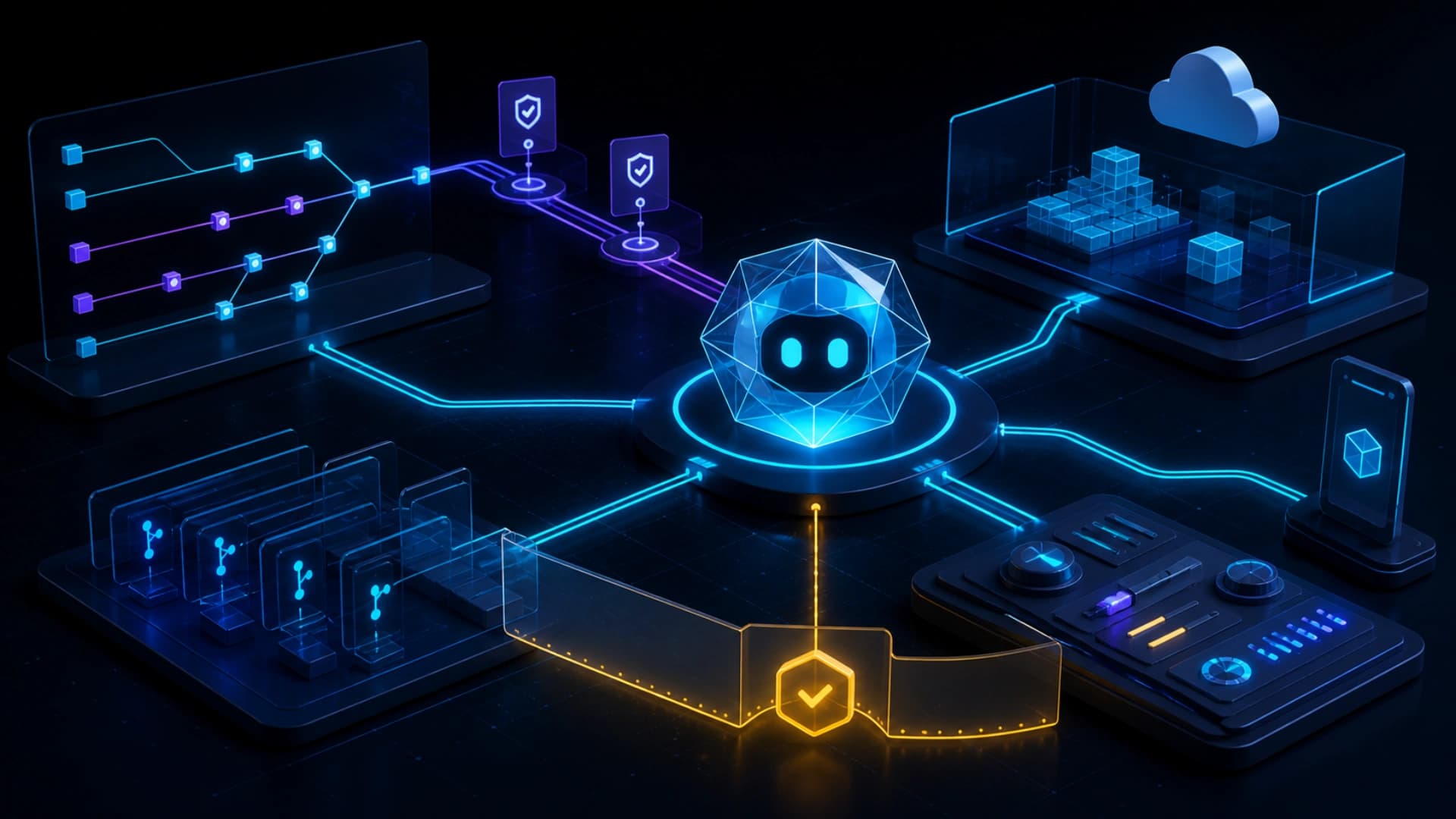
The center of the update is the Agent-Native Cloud suite. Alibaba Cloud says AgentRun manages the agent lifecycle, while AgentLoop and AgentTeams handle different parts of production operation. AgentLoop provides real-time tracing, evaluation, and optimization. AgentTeams supports coordination and governance across multiple agents. The platform is trying to answer not only how to call a model, but what happened in a multi-agent workflow, whether it met its target, and who is allowed to change it.
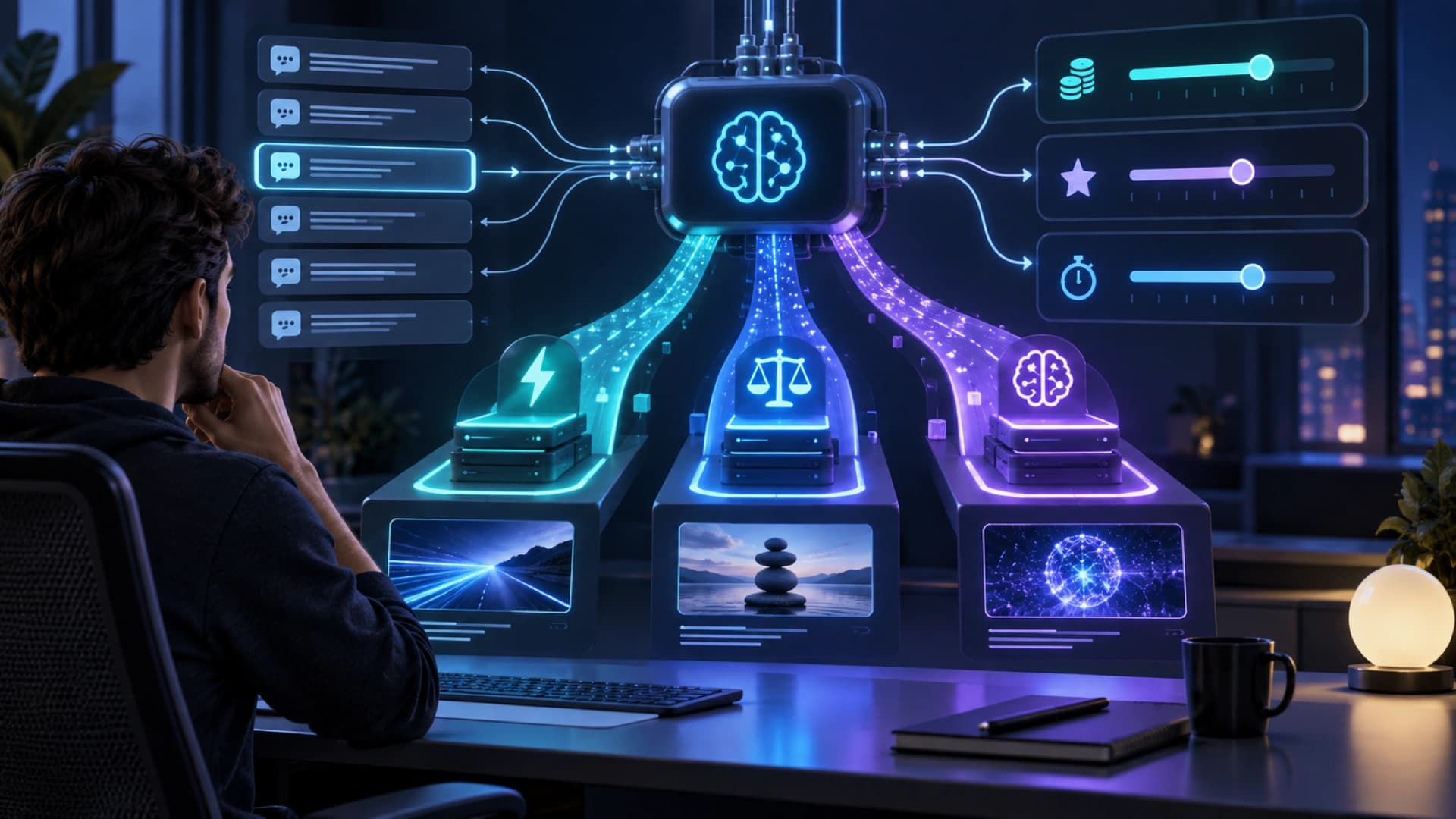
Alibaba also introduced TokenWorks through PAI-EAS, combining request routing, inference execution, compute reuse, and scheduling. The value is not only lower token cost. A shared control surface can coordinate different models, priorities, and operating windows. For teams running data processing, customer triage, or coding agents for long periods, cost, latency, capacity, and reliability usually need to be tuned together.
On the model side, Alibaba says Qwen 3.8-Max-Preview launched on Token Plan, Qoder, and QoderWork on Sunday. The company describes it as a 2.4-trillion-parameter model whose early tests were comparable with leading frontier models and ranked it behind only Fable 5, while also saying Qwen 3.8-Max will become open weight. Those parameter, ranking, and performance descriptions are publisher claims, not independent reproducible evaluations.
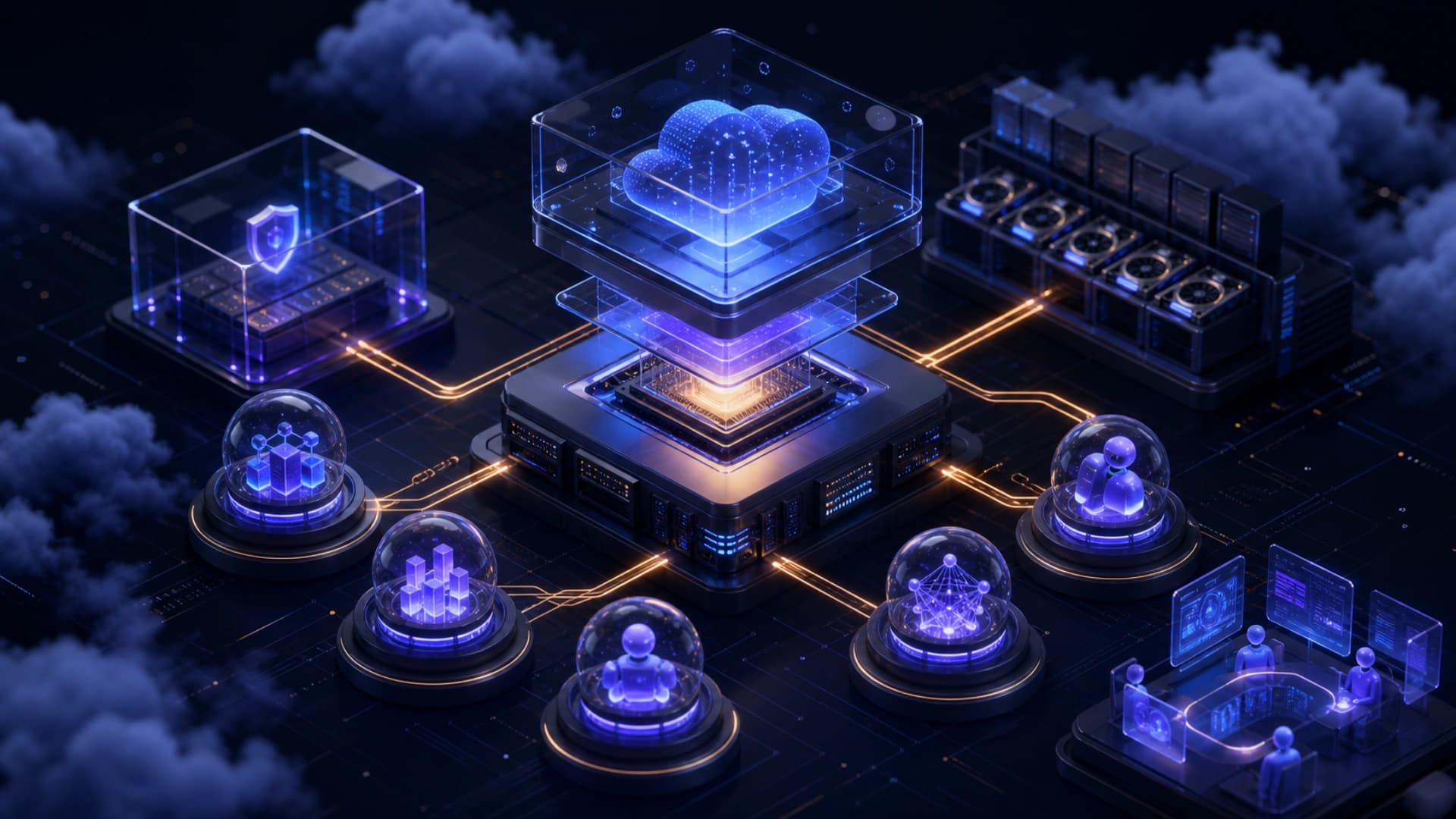
The same update includes the open-source release of T-Head SAIL. Alibaba says that by April 2026 Zhenwu chips had shipped 560,000 units and supported more than 400 customers across over 20 industries; those figures are company disclosures and should not be treated as independently verified market share. At the application layer, Alibaba also introduced a team version of Meoo, Qwen Clip earbuds, and AI glasses that can connect to third-party skills and agents.
For enterprises, the important signal is that the control plane is becoming thicker. Once an agent becomes a continuing service rather than a single conversation, the platform has to answer which agent read which data, how much a run consumed, which tool made an external change, who approved a retry after failure, and whether a model-version change still produces acceptable results.
Alibaba Cloud’s WAIC 2026 update shows the AI platform contest moving from model entry points toward agent control planes. AgentRun, AgentLoop, AgentTeams, and TokenWorks represent a broader deployment assumption: model capability is only the start. Observation, governance, routing, compute, and coordination determine whether agents can keep working in production.