
Anthropic said on October 1, 2026 that Barclays is expanding its collaboration with Anthropic to integrate Claude across global operations, including software development, legacy modernization, operational efficiency, and market-related workflows. This is a vendor-published enterprise case study. The interesting question is not only which model is being used, but how AI is being inserted into the permissions, processes, and governance of a large financial institution.
For software engineering, Barclays expects Claude Code to reach half of its developer population by the end of 2026 and a majority of engineers in 2027. Anthropic also says Claude is being used to help modernize older systems. That work is not just about generating new code: it requires understanding existing dependencies, tests, deployment constraints, and incomplete documentation. The outcome therefore depends on review, testing, and handover keeping pace with generation.
Barclays' Colleague Knowledge Assistant has been live since 2025. Anthropic says it uses retrieval-augmented generation, or RAG, serves more than 16,000 colleagues, and has handled more than one million searches. An internal knowledge tool can make policies, procedures, and organizational information easier to reach, but the reliability of its answers still depends on document versions, source permissions, retrieval scope, and an escalation path when the answer is uncertain.
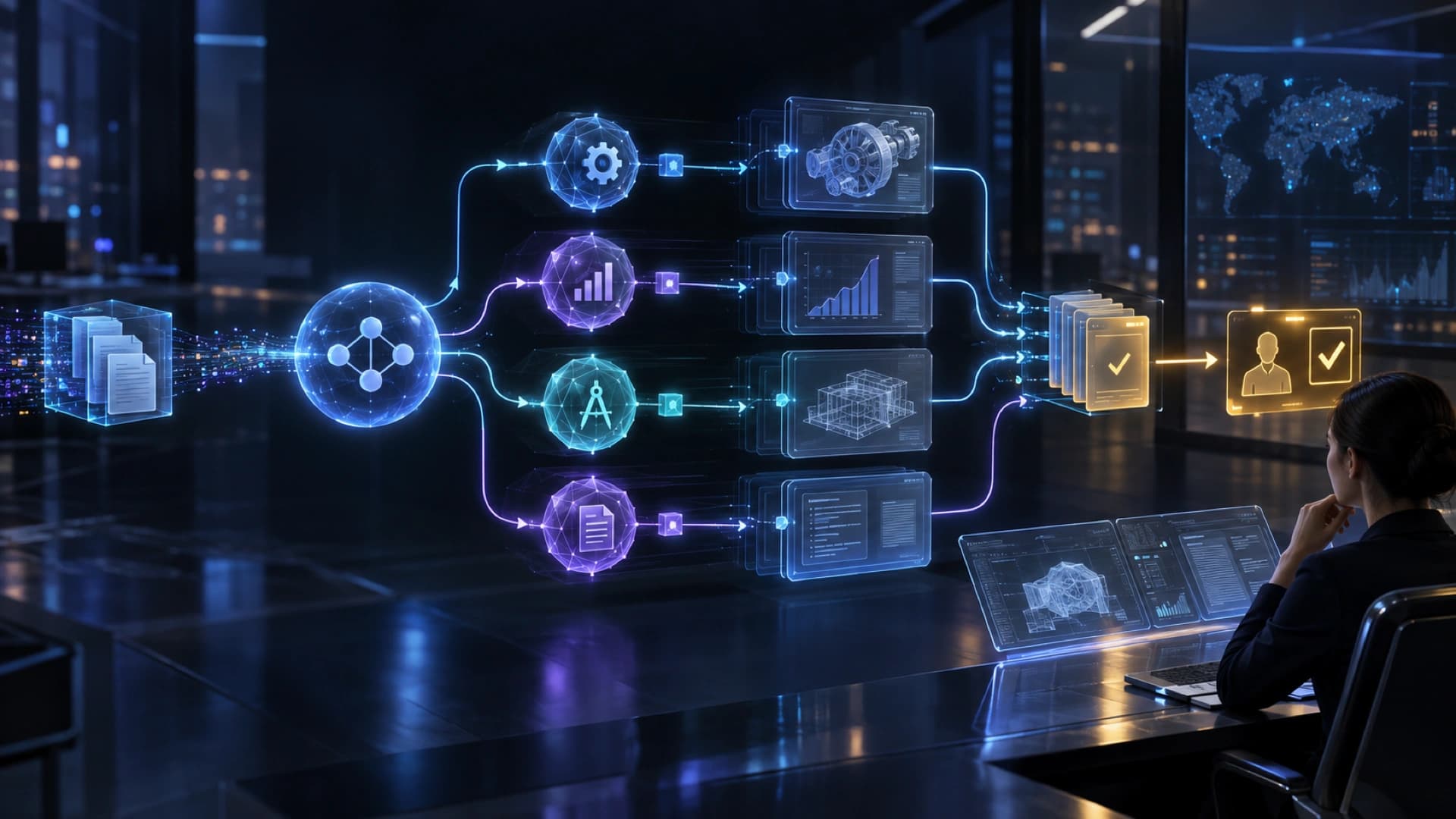
In Global Markets, Anthropic says Claude processes, classifies, enriches, and routes about 120,000 emails each day. Email handling is a representative workflow use case: a model can perform an initial classification or extraction step and pass the result to rules, specialists, or other systems. In a financial setting, however, misrouting, missed information, data leakage, and untraceable automation can create real risk. The workflow therefore needs explicit records of sources, confidence, exceptions, and where a person can take over.
The notable feature of the Barclays case is that Claude adoption is not described as a single chat deployment. It spans engineering work, internal questions, and high-volume operations, each with different data boundaries, role permissions, evaluation metrics, and oversight. Anthropic also emphasizes security controls, governance, and human review. Those are part of scaling an enterprise system, not a layer to add after launch.
The figures and timeline come from Anthropic's description of its Barclays collaboration and should be treated as vendor case-study data, not independent validation of every bank or Claude deployment. For other organizations, the useful lesson is not to copy 120,000 emails or a particular adoption ratio. It is to decompose a workflow: identify what AI can do first, which outputs must be traceable, which actions need approval, and how error rates, handling time, and business outcomes will be measured over time.