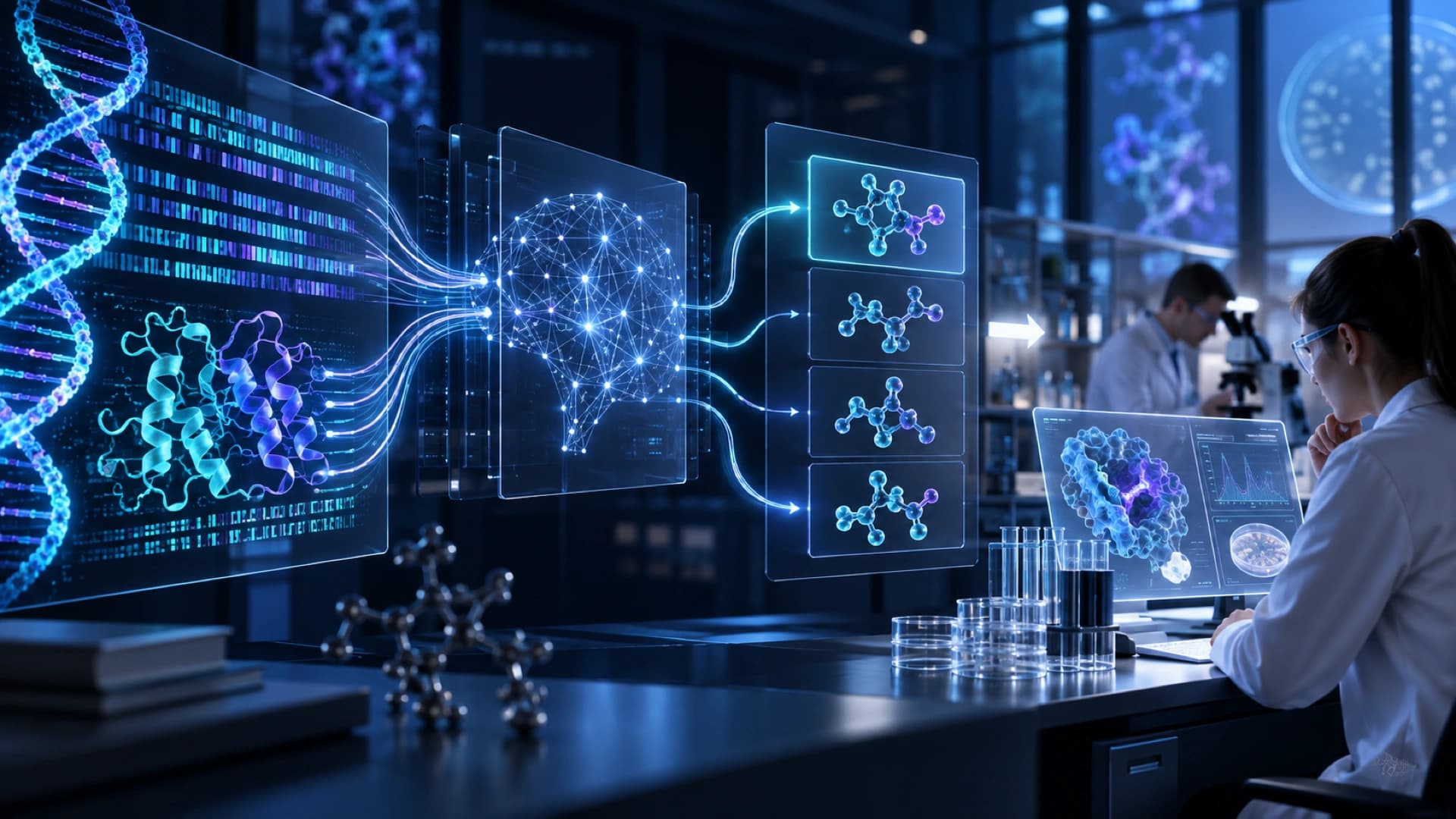
Anthropic launched Claude Science on June 30, 2026, positioning it as an AI workbench for life-science and R&D teams. The point is not to give researchers another chat box. It is to place AI inside a more complete, traceable, and collaborative research workflow.
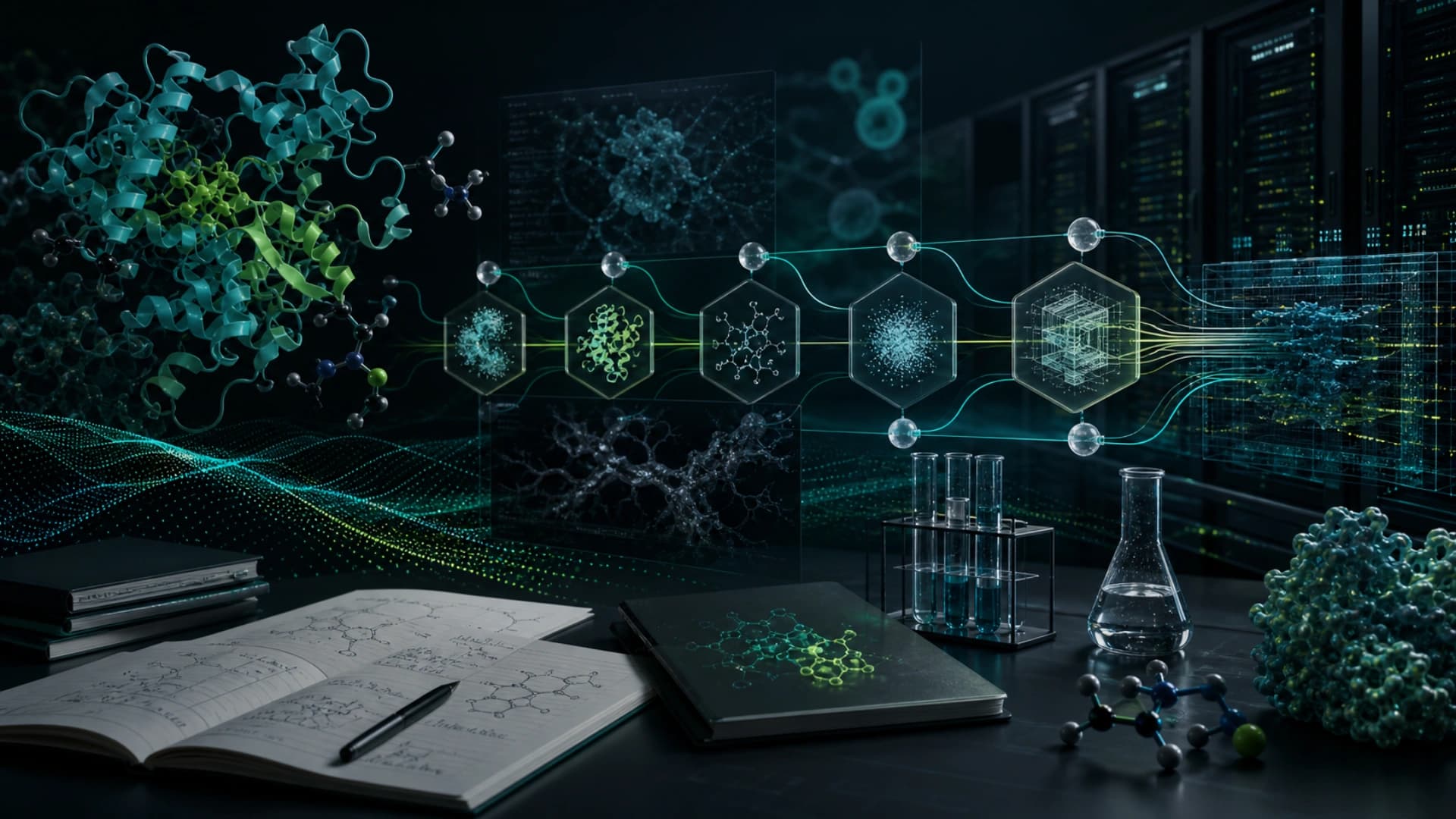
Claude Science centers on scientific artifacts, specialist agents, connected data and tools, and a mode of work closer to a research bench. That matters because real research is not a single question-and-answer session. It involves literature review, experiment planning, data handling, result comparison, and evidence that can be shared and reviewed.
Artifacts are an important signal. When AI output becomes a saved, editable, reviewable work product rather than a temporary response, research teams can bring AI-generated material into formal workflows more easily. It also helps preserve context so collaborators, reviewers, or later researchers can understand how reasoning and sources came together.
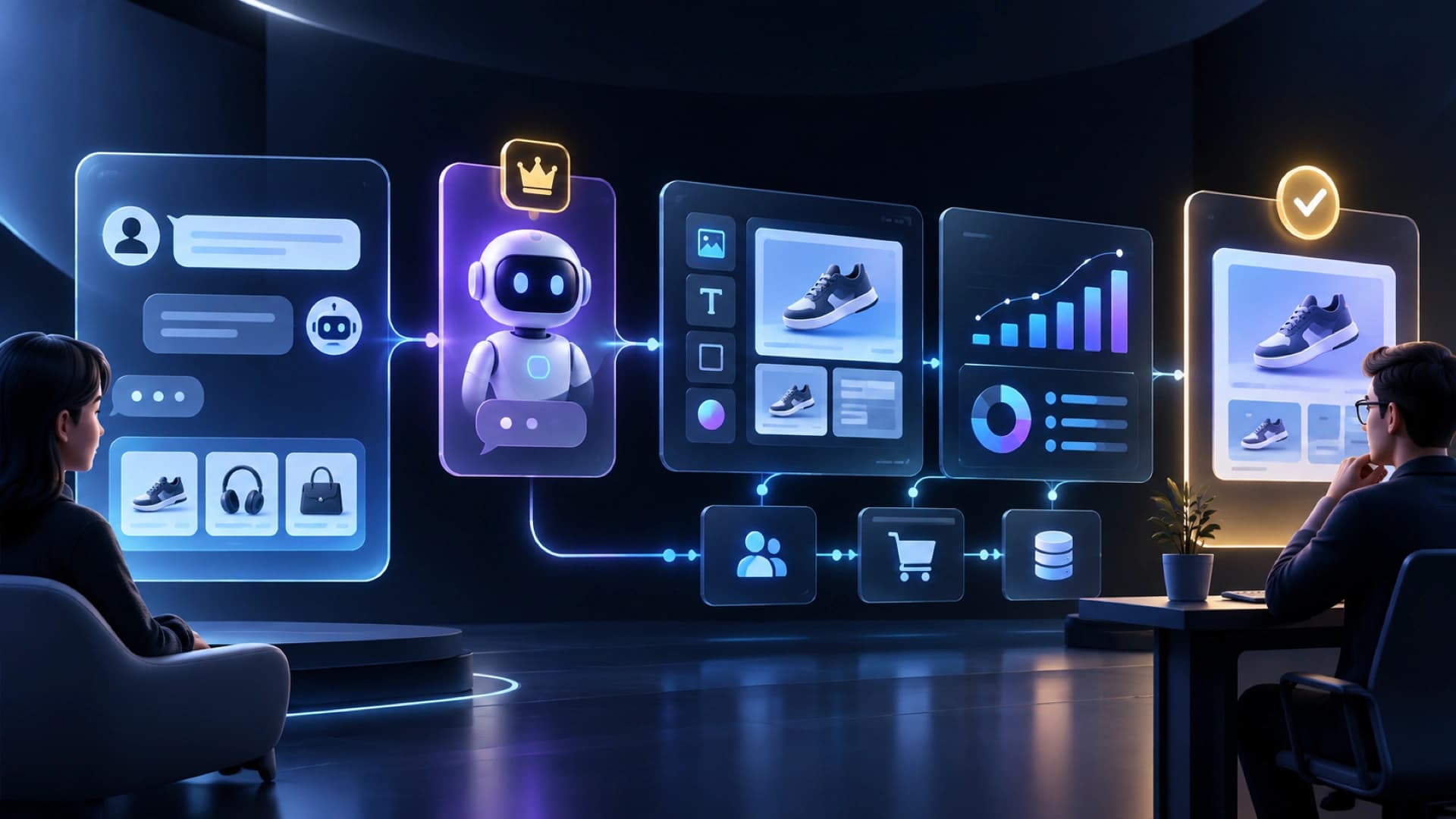
Specialist agents point to task division. Different agents can support literature work, data analysis, experiment design, summarization, or coding assistance. That is closer to how research teams actually operate than a single general chatbot, because high-value work usually needs multiple skills and clear boundaries.
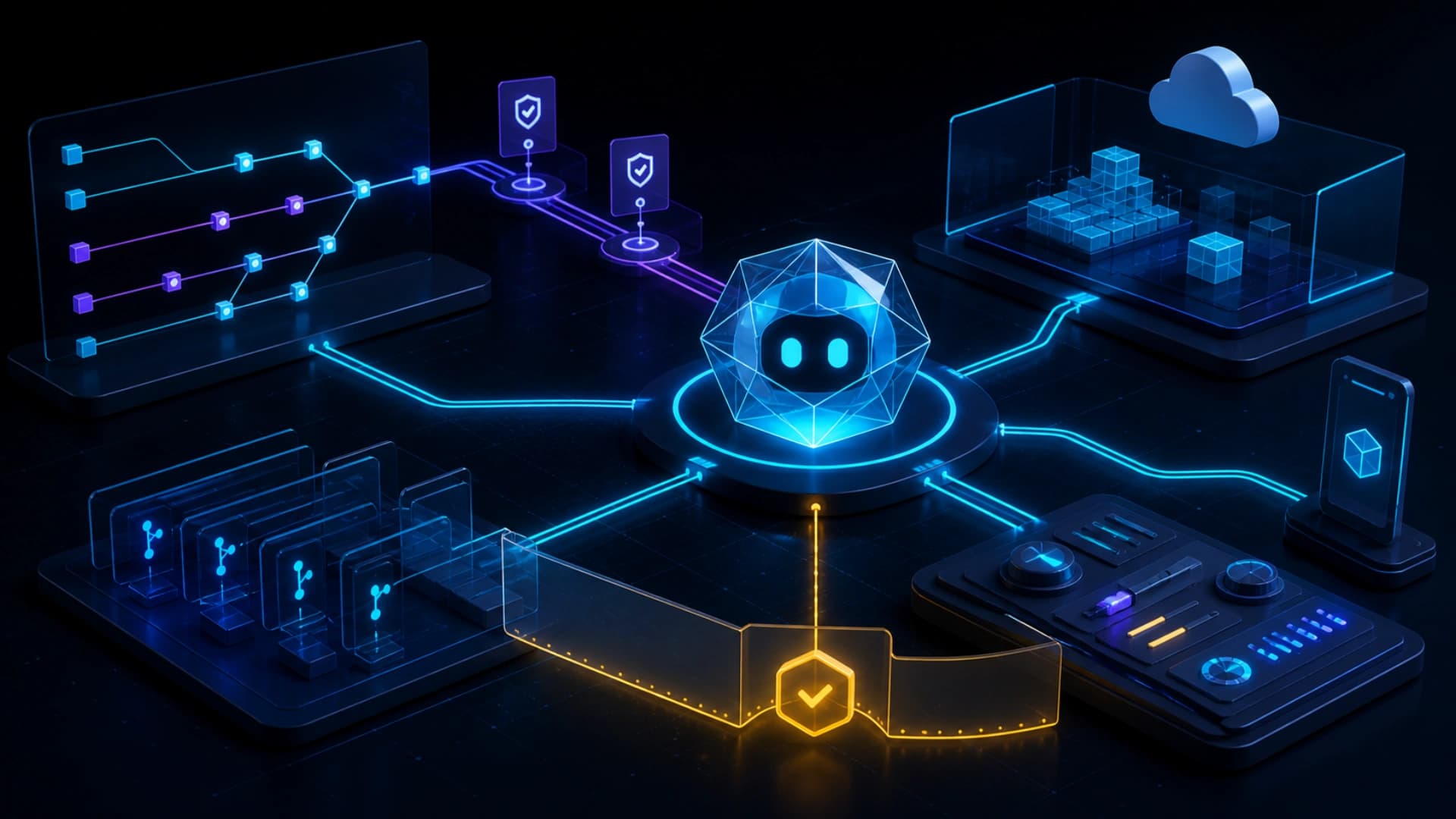
Claude Science also fits a broader market direction: when AI enters high-stakes professional workflows, it has to be designed with data governance, tool permissions, and audit records. Life science and drug discovery especially need traceability because research conclusions, model outputs, and data processing can affect later experiments or investment decisions.
The pattern is useful beyond science. Compliance, finance, engineering, healthcare administration, and knowledge management all need mature AI workflows with artifacts, specialist agents, source grounding, approval points, and audit trails. Claude Science packages those elements clearly inside a research setting.
The signal in Claude Science is that AI agent competition is moving from whether a model can answer toward whether it can leave reliable work products inside professional workbenches. When AI connects data, tools, reasoning, documents, and review, it becomes closer to deployable workflow infrastructure.