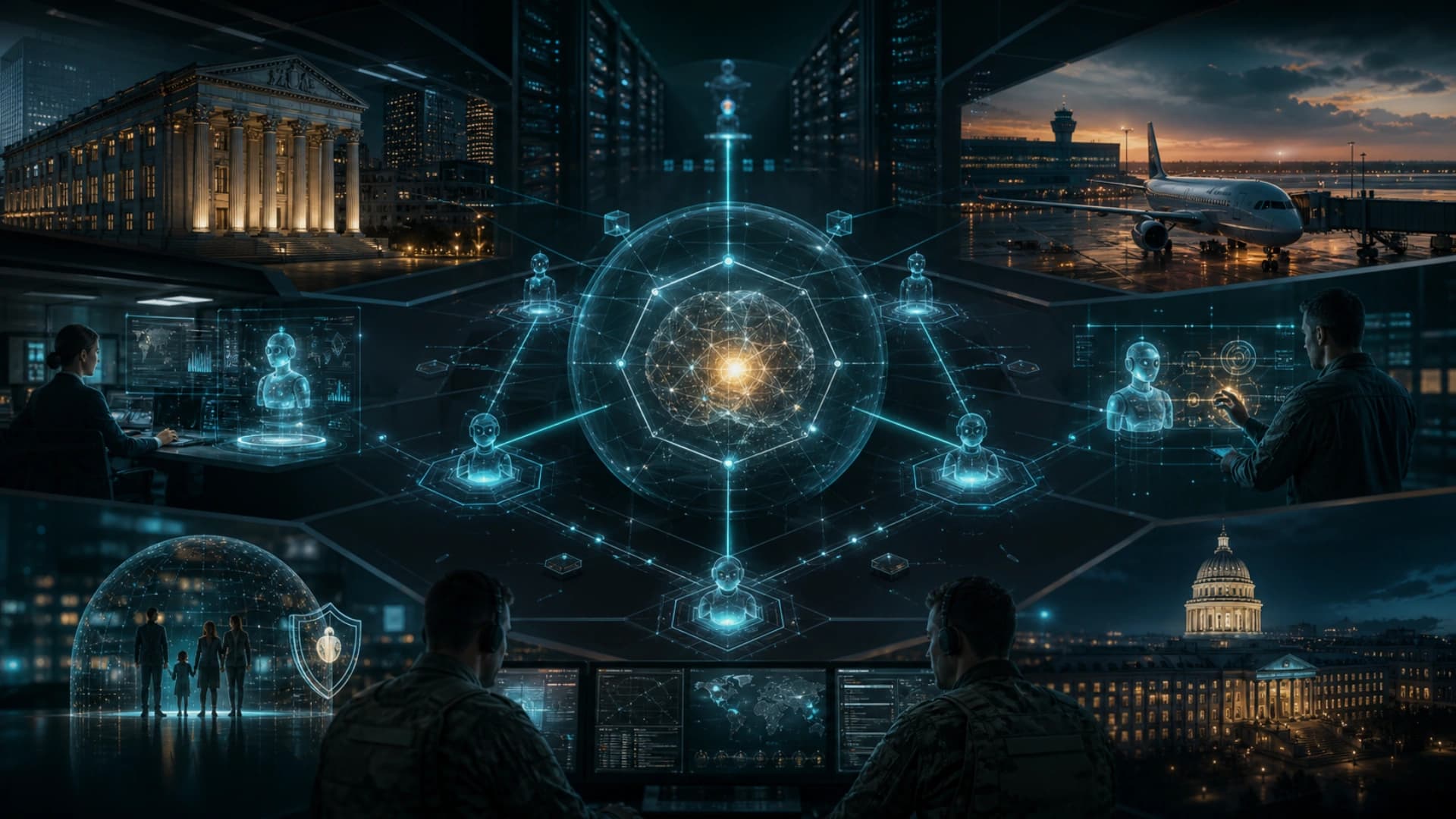
Anthropic announced a multi-year global alliance with DXC Technology on June 11, 2026. DXC will train tens of thousands of Claude-certified forward-deployed engineers who will work directly inside customer environments and bring Claude into the systems used by major banks, airlines, insurers, manufacturers, and government agencies.
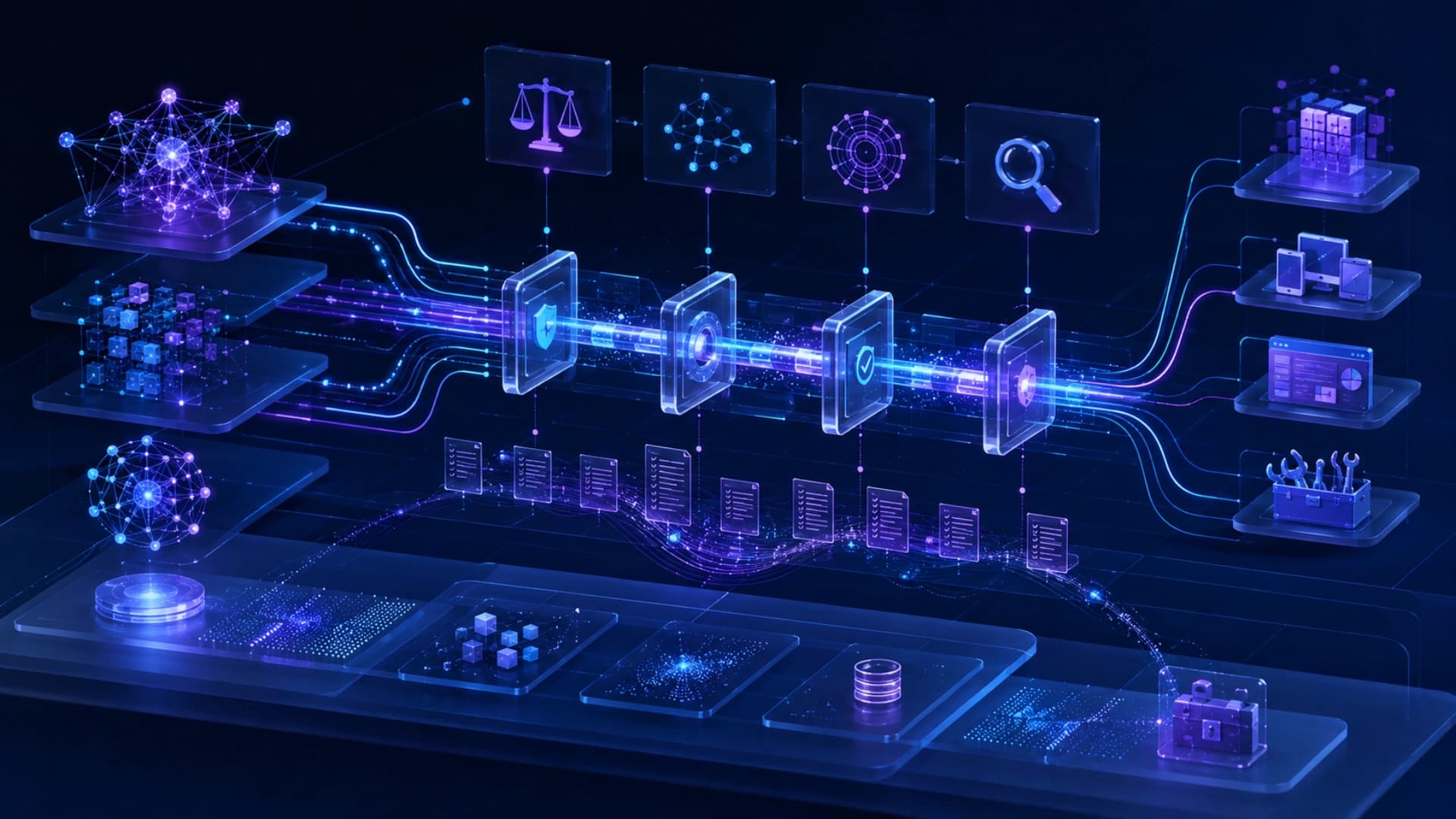
The important signal is that Claude is moving beyond being a tool and toward workflow infrastructure for regulated, mission-critical environments. DXC's long-running systems handle transactions, claims, and daily operations under strict security, compliance, reliability, and audit expectations. Whether AI can work in those settings depends on governance design as much as model quality.
Anthropic says DXC first used Claude inside its own operations, spanning 115,000 employees across 70 countries, before taking the capability to customers. DXC OASIS, the company's AI-native managed services orchestration platform, used Claude to generate more than 95% of its code before engineer review, with DXC estimating a 10x acceleration in software delivery.
DXC OASIS now serves more than 50 customers, and Claude is the default foundation model powering its agentic workflows. That matters because AI agents are no longer confined to a chat surface. They are becoming components of managed services, application maintenance, security operations, and legacy modernization.
The alliance will initially focus on four areas: insurance, Modernization as a Service, cybersecurity, and application services. That includes using Claude to analyze, refactor, and modernize legacy codebases, as well as developing an always-on security engineer subagent for security operations centers. These are high-risk but high-value enterprise work zones.
For enterprises, the DXC-Anthropic partnership shows a more mature adoption path: prove the capability inside the vendor's own environment first, then build certified engineers, task patterns, governance models, and delivery platforms before entering customer core systems. That is much closer to AI transformation than simply buying model seats.
Overall, Claude is moving from knowledge-work assistant toward an agentic operating layer embedded in large enterprise infrastructure. Regulated industries will not lower their safety bar because AI is popular. The agent architectures that enter core systems will be the ones that can prove compliance, review, human approval, and maintainable delivery.