On May 4, 2026, Anthropic announced a new enterprise AI services company with Blackstone, Hellman & Friedman, and Goldman Sachs. On the surface, it looks like a partnership announcement. In practice, it signals something more important: the commercial model around Claude is moving beyond model access and toward direct operating delivery.
Anthropic describes the new company as a vehicle to help mid-sized organizations bring Claude into their most important operations. Applied AI engineers from Anthropic will work alongside the firm's engineering team to identify high-impact use cases, build custom systems, and support customers over time. That framing matters. It is not mainly about API access, token pricing, or benchmark performance. It is about delivery capacity.
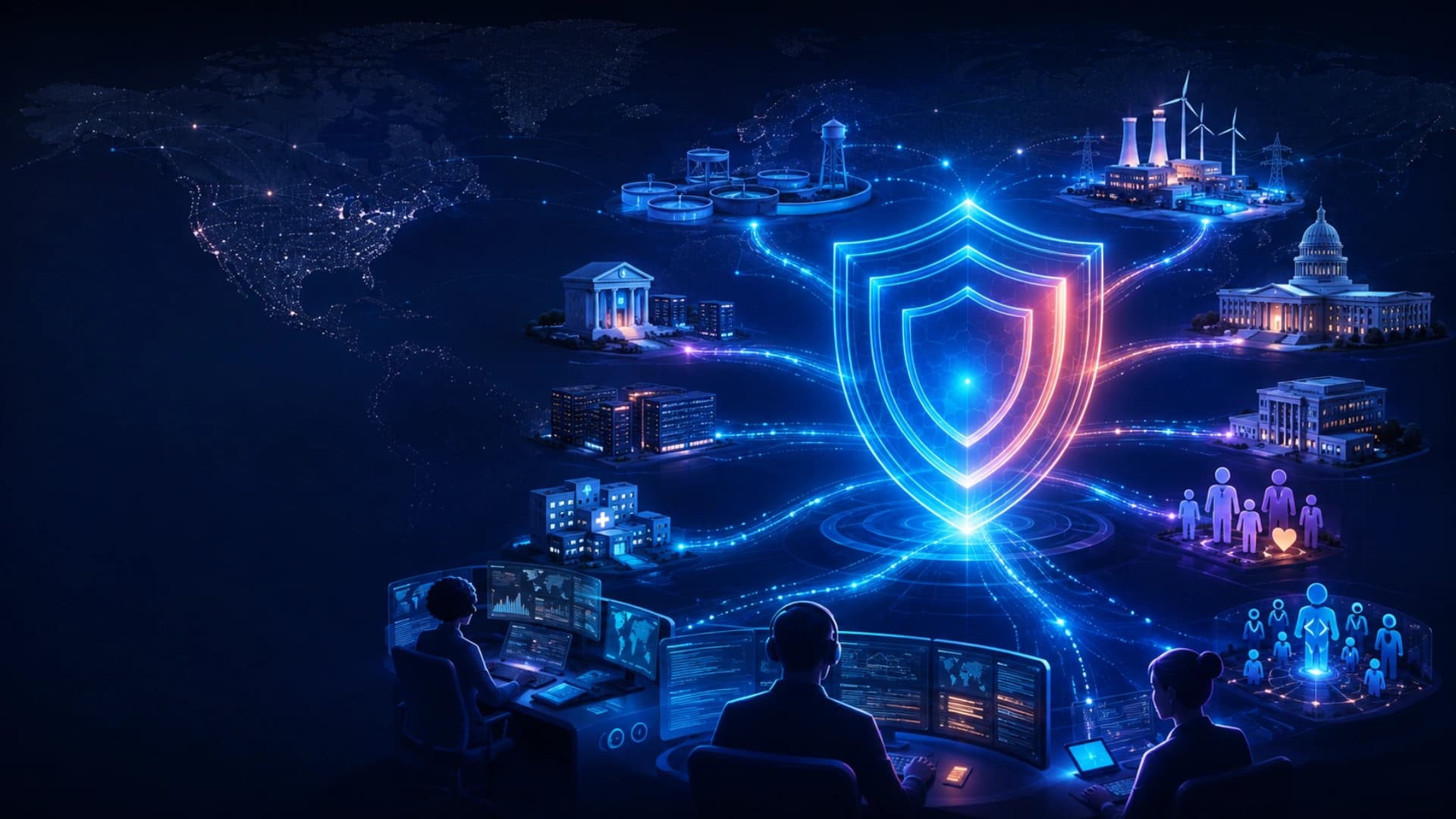
This is especially relevant for the middle of the market. Large enterprises can often rely on global systems integrators or deep internal IT teams. Many mid-sized manufacturers, community banks, and regional healthcare groups cannot. They may understand that AI has value, but still lack the people and process needed to integrate frontier models into daily operations. Anthropic is explicitly targeting that delivery gap.
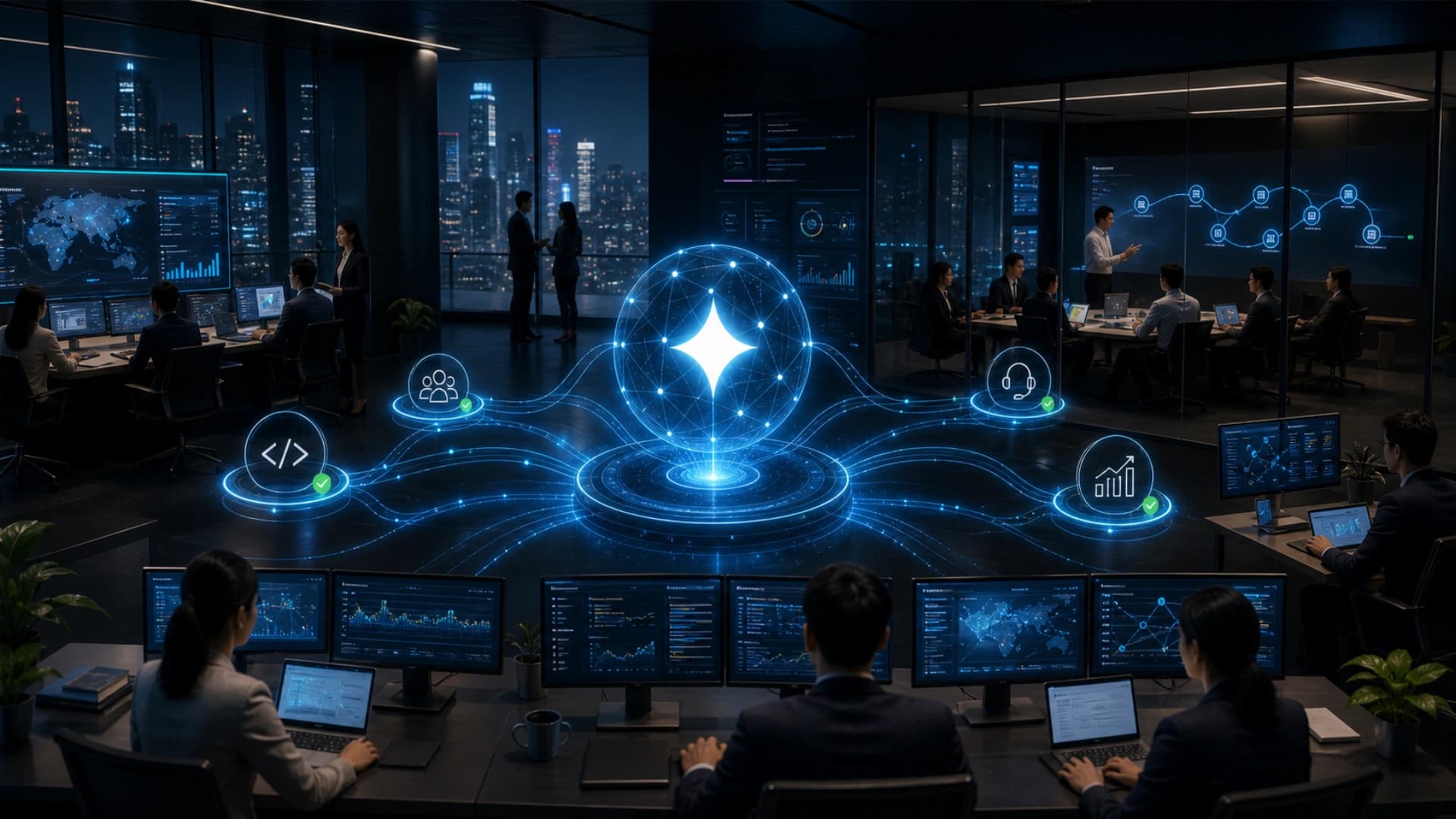
The announcement also suggests Anthropic sees enterprise AI entering a more implementation-heavy phase. A typical engagement begins with a small team working closely with the customer to identify where Claude can have the greatest impact. From there, engineers and Anthropic Applied AI staff build systems that fit real workflows. That is a meaningful shift from traditional SaaS. The model provider is stepping deeper into workflow design instead of handing over a general-purpose tool and hoping customers figure it out themselves.
For Hong Kong and Macau SMEs, the lesson is practical. Many local businesses face the same pattern: they know there is automation potential across websites, enquiries, quotations, operating reports, after-sales follow-up, and document handling, but they do not have one internal team that understands business operations, AI implementation, and system integration at the same time. The result is often either inaction or short-lived experiments that feel like demos.
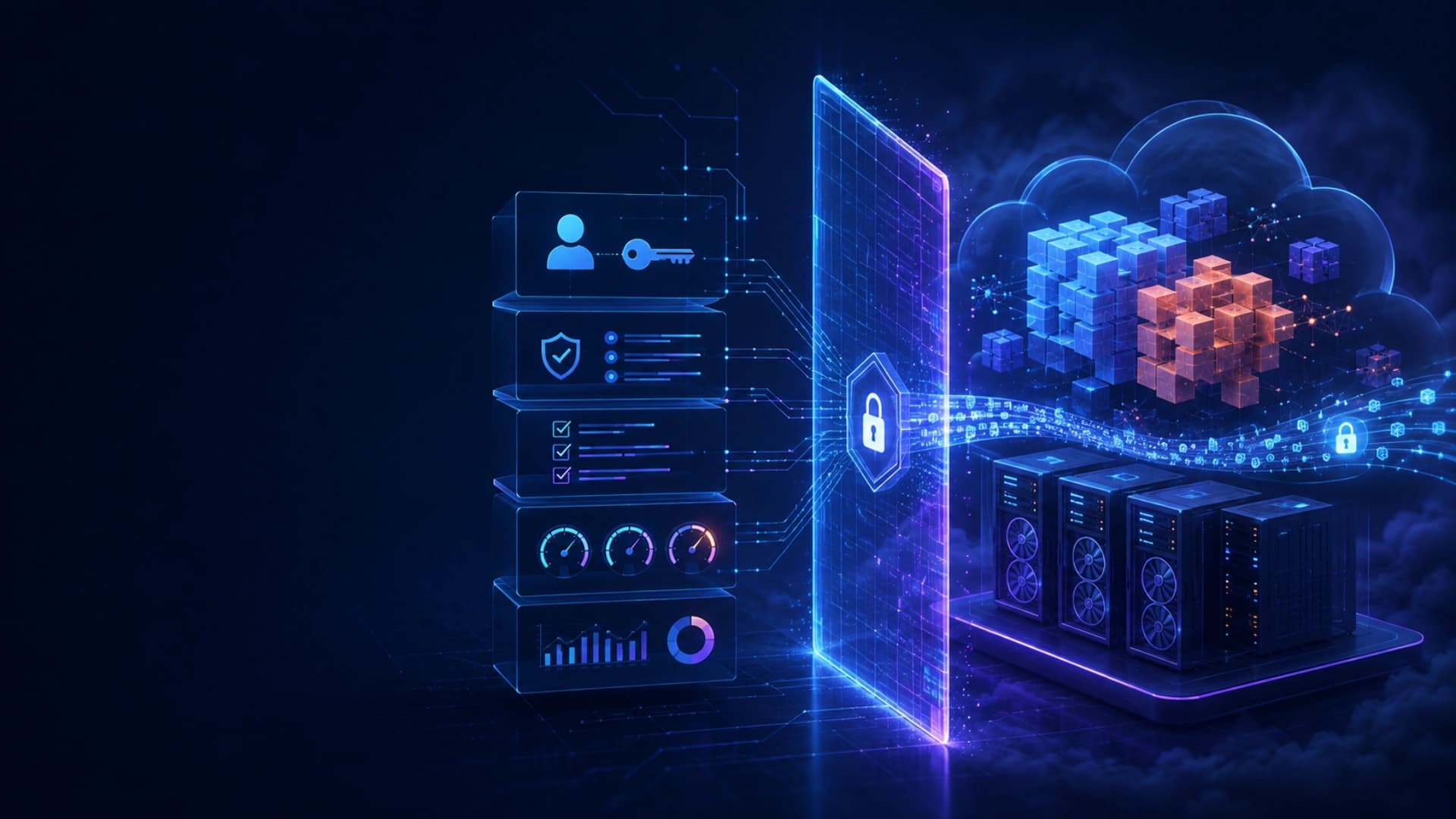
Anthropic's move underlines a simple point: valuable enterprise AI is not about giving every employee a chat window. It is about redesigning high-frequency, high-cost, cross-functional workflows and embedding models into them. That is why AI agents, internal knowledge, forms, CRM, approvals, and data governance need to be designed together. Model selection alone rarely creates durable returns.
It is also notable that Anthropic does not position the new company as a replacement for its existing consulting ecosystem. The announcement says the Claude Partner Network remains important for the world's largest enterprises, while the new firm extends delivery capacity further. That suggests enterprise demand is already outgrowing any single go-to-market channel.
From a VMTS perspective, the implication is clear. Enterprise customers are not only buying a model. They are buying workflow clarity, systems connection, governance, and repeatable delivery. The teams that can connect website entry points, enquiry triage, pre-quote data capture, content generation, management reporting, and human approval steps into one operating path are the teams most aligned with where the market is moving.