Anthropic published more detail on Fable 5's cyber safeguards and jailbreak framework on July 2, 2026. The post continues the safety-governance thread after Fable 5's redeployment, but it gets more specific: how should model companies evaluate cybersecurity prompts, dual-use tasks, and jailbreak severity?
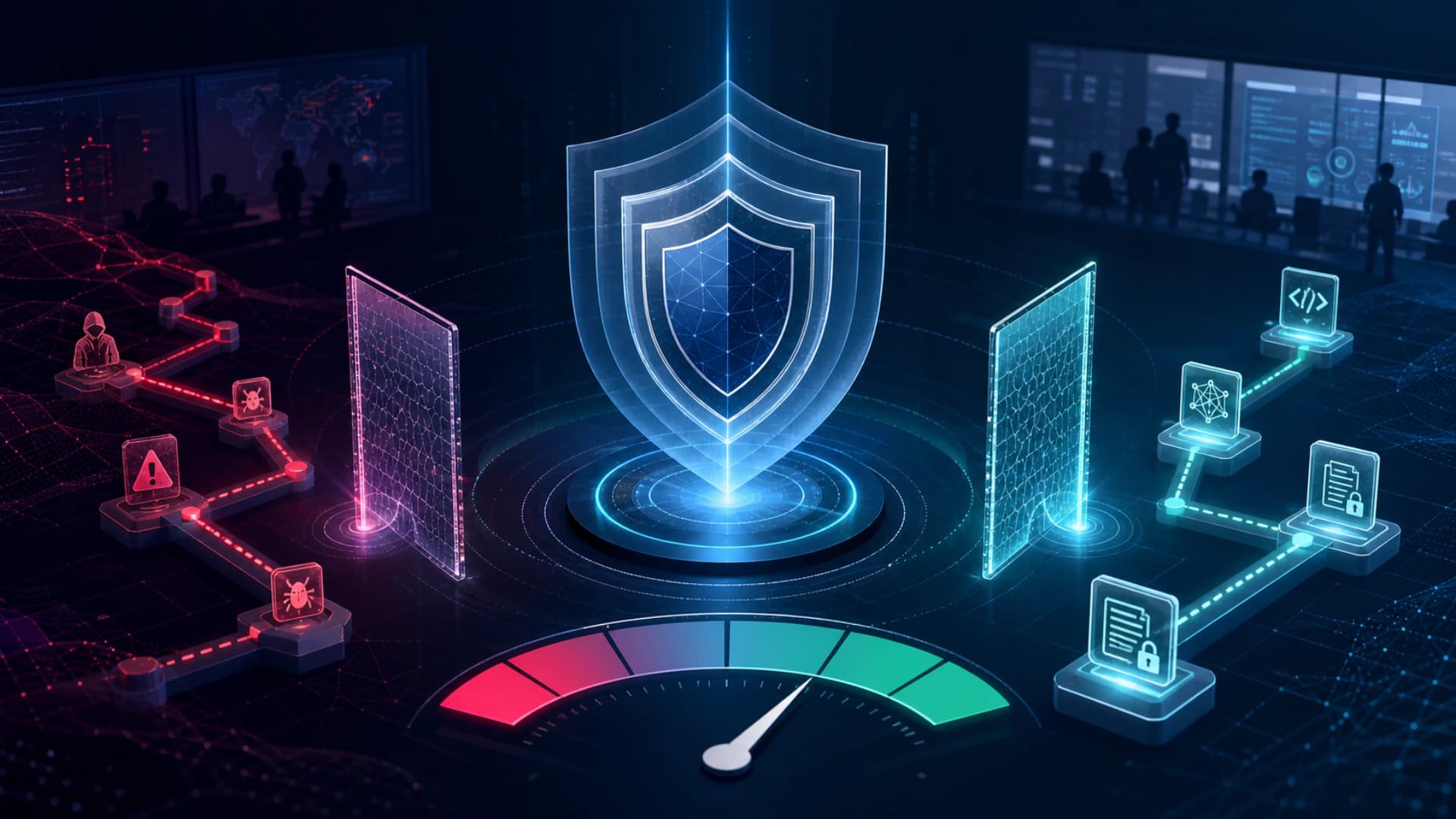
Anthropic divides Fable 5's cyber classifiers into four categories: prohibited use, high-risk dual use, low-risk dual use, and benign use. Prohibited use covers high-harm activity such as ransomware, wipers, defacement, defense evasion, malware development, malware delivery, and C2 infrastructure. High-risk dual use includes penetration testing, red teaming, privilege escalation, lateral movement, exploit development, and high-uplift vulnerability finding.
The classification matters because cybersecurity is deeply dual use. Defenders need vulnerability finding, log analysis, incident response, and patching. Attackers can use similar capabilities. Anthropic is not trying to block all cyber content. It is using safety margins and classifiers to distinguish clearly defensive work, low-risk dual use, high-risk dual use, and clearly harmful activity.
The second major point is Anthropic's proposed Cyber Jailbreak Severity framework. The company says the industry lacks a shared language for describing how severe a jailbreak is, so it proposes CJS-0 through CJS-4 and scores findings across four axes: capability gain, breadth of capability gain, ease of weaponization, and discoverability.
That framework is useful because it turns "the model was jailbroken" from a vague alarm into a risk discussion that can be audited. A jailbreak that only affects one question is not the same as a public, reusable technique that unlocks multiple offensive task categories. Enterprises, governments, and labs need shared language to decide whether a finding requires patching, restrictions, notification, or temporary suspension.
Anthropic also points to a HackerOne program where security researchers can report potential cyber jailbreaks in Fable 5. That shows AI safety absorbing more of traditional security disclosure practice: reproducible reports, severity grading, remediation workflows, and external researcher participation.
For enterprise users, the takeaway is direct. As stronger models enter coding, security, and agent workflows, safety cannot rely on a one-time policy. Mature AI governance needs classifiers, logs, exception handling, risk grading, and clear human approval points.