On May 14, 2026, Anthropic announced a $200 million partnership with the Gates Foundation, combining grant funding, Claude usage credits, and technical support over four years for programs in global health, life sciences, education, and economic mobility. The announcement matters because it shows AI deployment moving beyond commercial productivity into more complex public-service workflows.
Anthropic says the work is led by its Beneficial Deployments team. That team does more than provide Claude credits. It also offers engineering support and develops public goods such as public health datasets and evaluation benchmarks, while offering discounted Claude access for nonprofits and education institutions. This is not simply a tool donation. It combines models, data, evaluation, and implementation capacity.
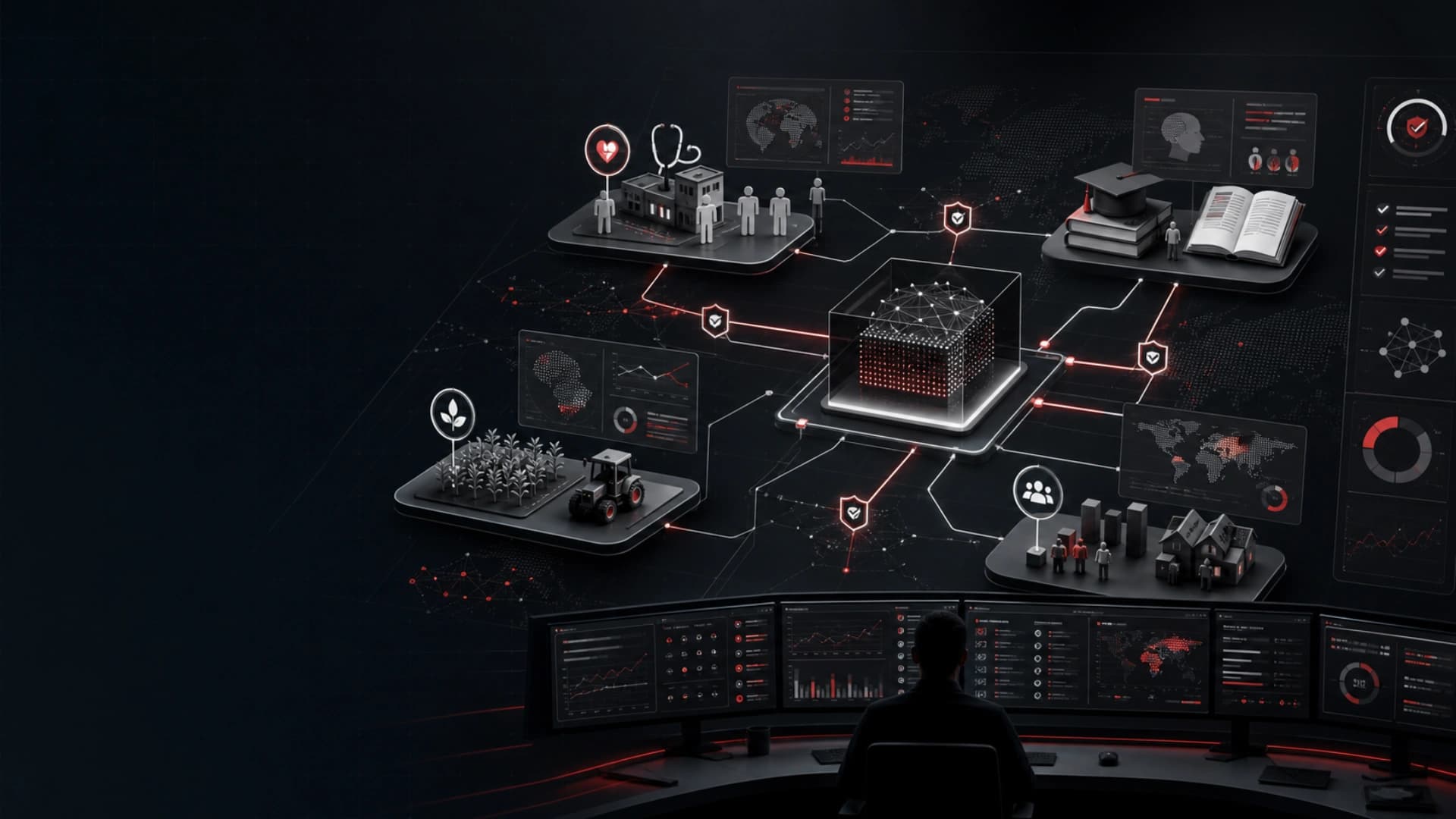
The largest part of the partnership focuses on global health and life sciences. Anthropic says around 4.6 billion people in low- and middle-income countries lack access to essential health services. The partnership will support vaccine and therapy development and help governments use health data for faster, better-informed decisions. A notable piece is the creation of connectors, benchmarks, and evaluation frameworks for healthcare-intelligence tasks.
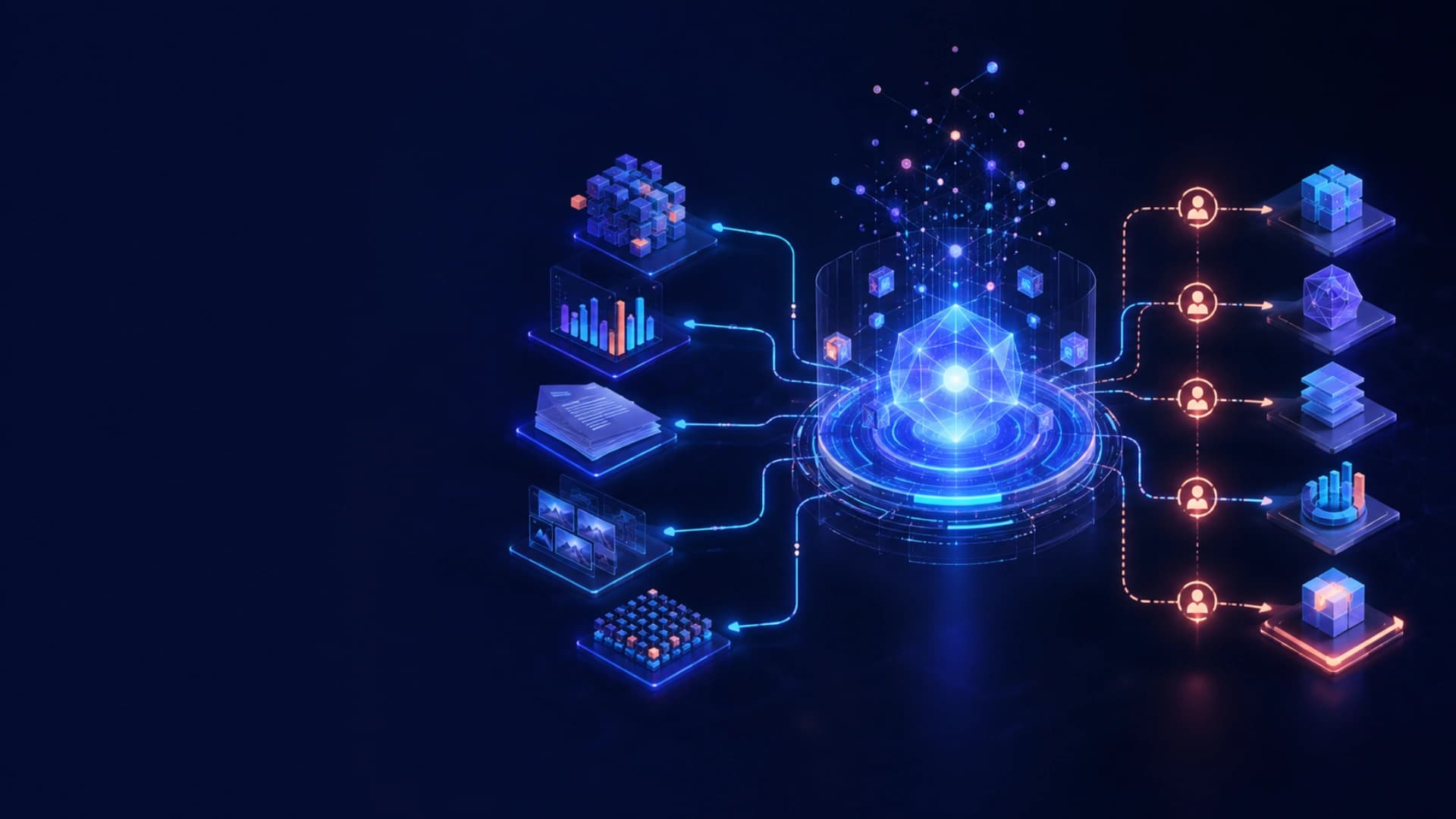
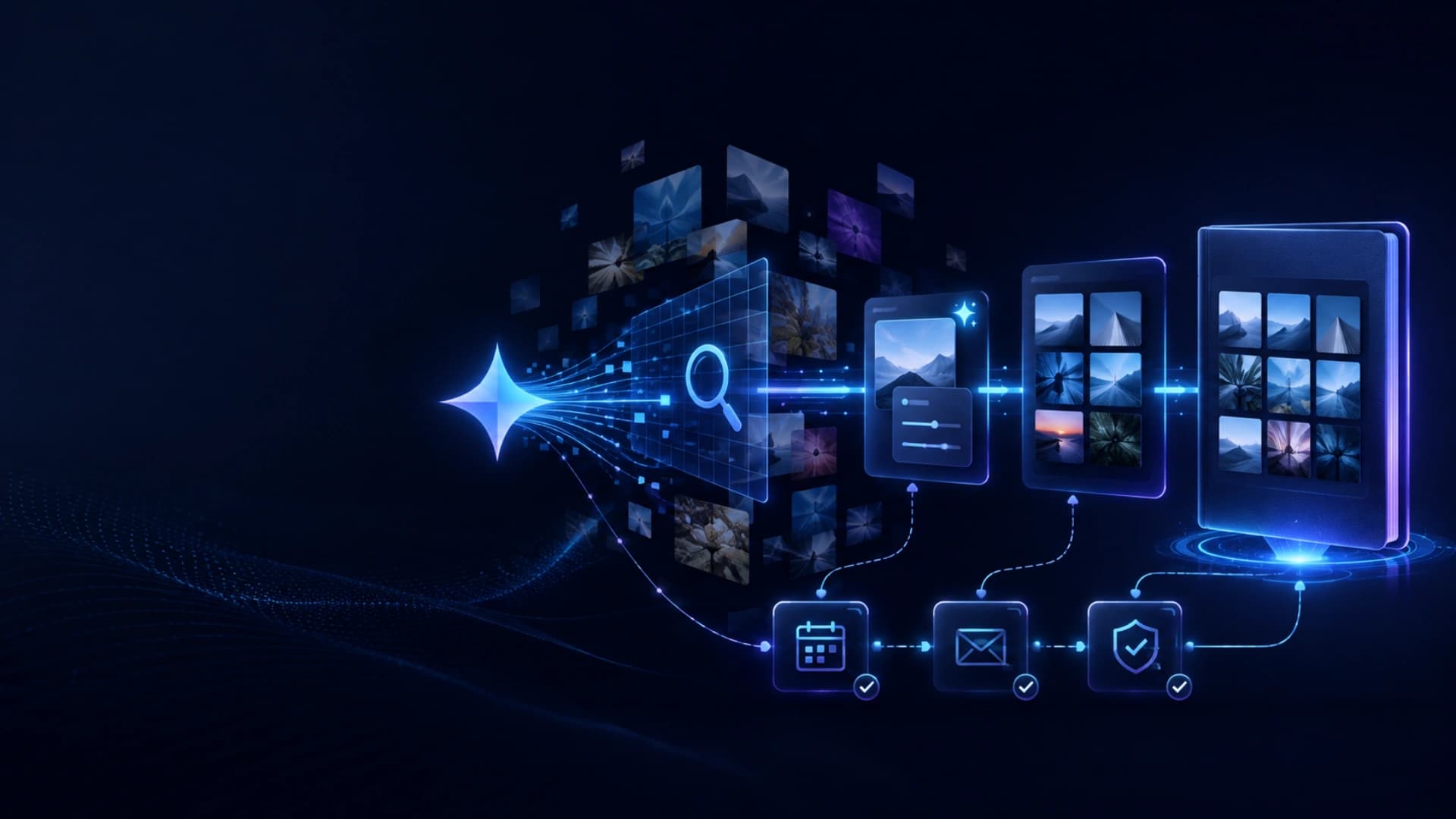
Those words matter for enterprise AI as well. Many AI projects fail not because the model cannot answer at all, but because the system lacks the right data access, benchmarks, evaluation framework, and responsibility boundary. By putting connectors and evaluation at the center of this partnership, Anthropic is showing that responsible deployment requires workflow infrastructure, not only model access.
In education, Anthropic and the Gates Foundation will co-develop tools for K-12 students in the United States, sub-Saharan Africa, and India. The scope includes math tutoring, college advising, curriculum design, and foundational literacy and numeracy apps. The announcement also highlights benchmarks, datasets, and knowledge graphs to ensure education AI tools are effective rather than generic.
For economic mobility, the partnership will support smallholder agriculture productivity, portable records of skills and certifications, trustworthy career guidance, and tools that connect training-program data to employment outcomes. These use cases share a pattern: fragmented data, diverse users, measurable outcomes, and higher error costs than ordinary marketing automation.
For VMTS clients, the useful lesson is not only the public-good scale. It is the deployment method: define high-impact domains, then build data connections, evaluation standards, permissions, technical support, and reusable foundations. Businesses adopting AI agents and automation should use the same logic, with use cases such as sales, operations, customer service, reporting, and knowledge management.
Anthropic's Gates Foundation partnership is a reminder that AI value is not just the ability to generate answers. It is whether AI can be placed inside reliable, measurable, governable service workflows. Whether the setting is public health or business operations, the next stage of AI competition will put more weight on connectors, benchmarks, human oversight, and continuous improvement.