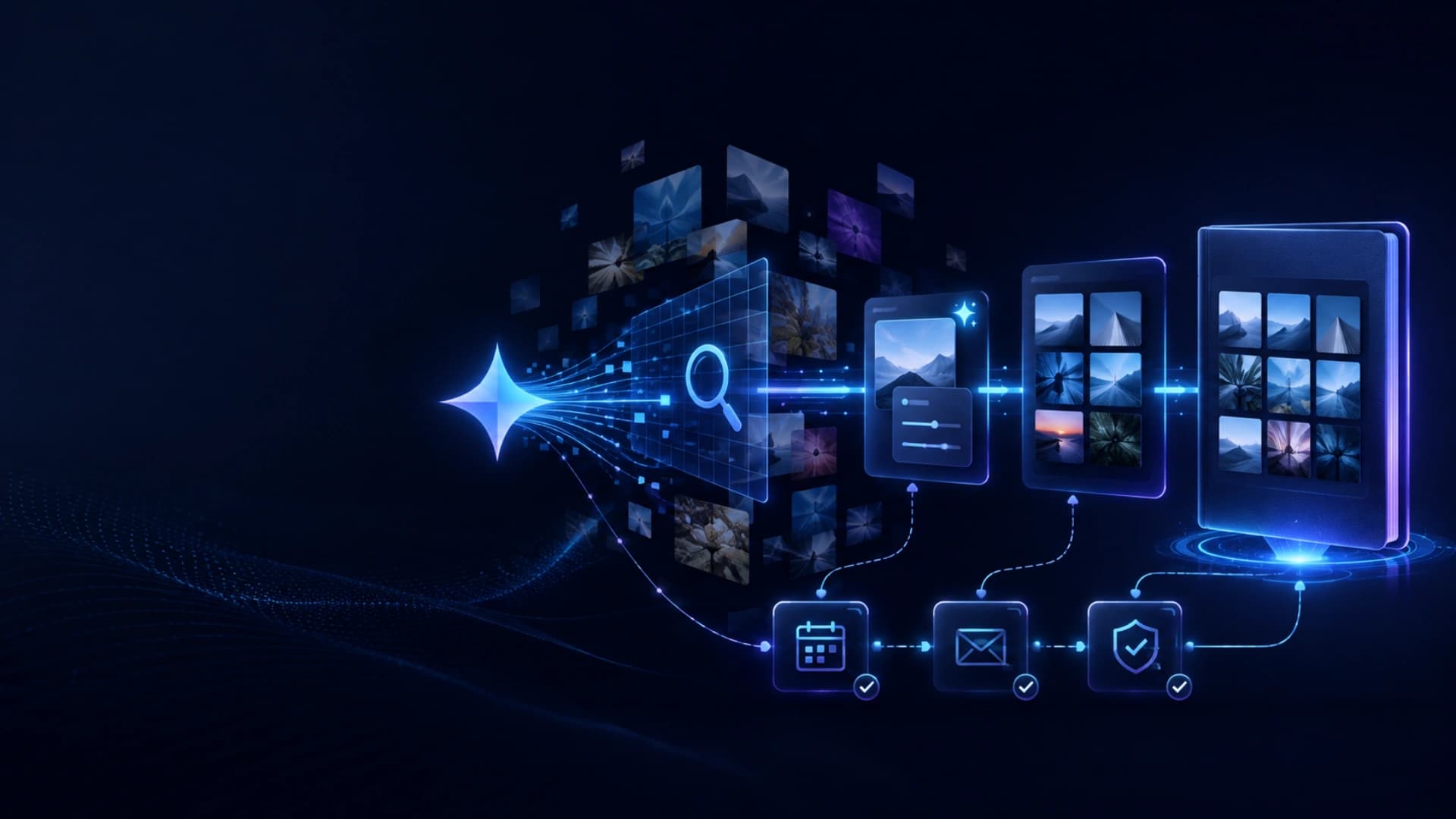

On August 5, 2026, ByteDance Seed released SeedRealtime, describing it as an audio-visual full-duplex LLM for omni-modal natural interaction. Rather than waiting for a user to finish one sentence before processing the next turn, the system is designed to combine audio, video, text, and continuous input in one interaction loop.
One of SeedRealtime’s central capabilities is joint audio-visual understanding. It can combine spoken content with what is visible and the surrounding context. ByteDance’s examples include giving feedback while a user operates an espresso machine, responding while someone reads a paper, helping in a museum, and reacting to noise at an airport. These are company examples, not evidence that reliability is equal across all environments.
Full-duplex interaction also changes the rhythm of a conversation. SeedRealtime can process new audio-visual signals before a dialogue is fully over and speak proactively when a specified object appears, the environment changes, or a reminder is useful. Natural interaction is not only about lower latency; it also requires deciding when to interrupt, when to stay quiet, and how to avoid repetitive or badly timed prompts.
ByteDance says SeedRealtime can call tools during a response, so it is more than a chatbot that can see and hear. Connected to lookup, calendar, booking, or other external systems, it could move from perception and conversation toward action. Proactive tool use still needs clear user intent, permissions, confirmation, and audit controls; without them, a natural interaction can become an unexpected external operation.
The company reports that human evaluation found roughly half as many pacing issues as cascaded models. That is ByteDance’s own evaluation. The article does not provide enough independent benchmarks, datasets, and methodology for outside reproduction, so the result should be treated as a vendor-reported product claim rather than an established industry benchmark.
ByteDance also says SeedRealtime has been fully rolled out and entered large-scale deployment. That is the company’s description of deployment status. It is important to distinguish use at scale in selected scenarios from a model being publicly available to every developer, region, and use case. Actual API access, pricing, latency, retention, and safety controls should be checked in the product documentation.
The engineering challenge for this class of model extends from single-turn answer quality to continuous perception and interaction policy. Teams need to test interruption, false triggers, background noise, multi-person dialogue, visual mistakes, tool retries, and the cost of long sessions. Users also need a clear indication of when the system is listening, what it can see, and whether it is preparing to act.
ByteDance lists lower latency, more proactive perception, multi-person interaction, and tools such as lookup and booking as future directions. If those capabilities mature, an audio-visual agent could move from passively answering questions toward continuously observing an environment and helping with actions. The more proactive the agent, the more visible its permissions, revocable actions, and event-based monitoring need to be.