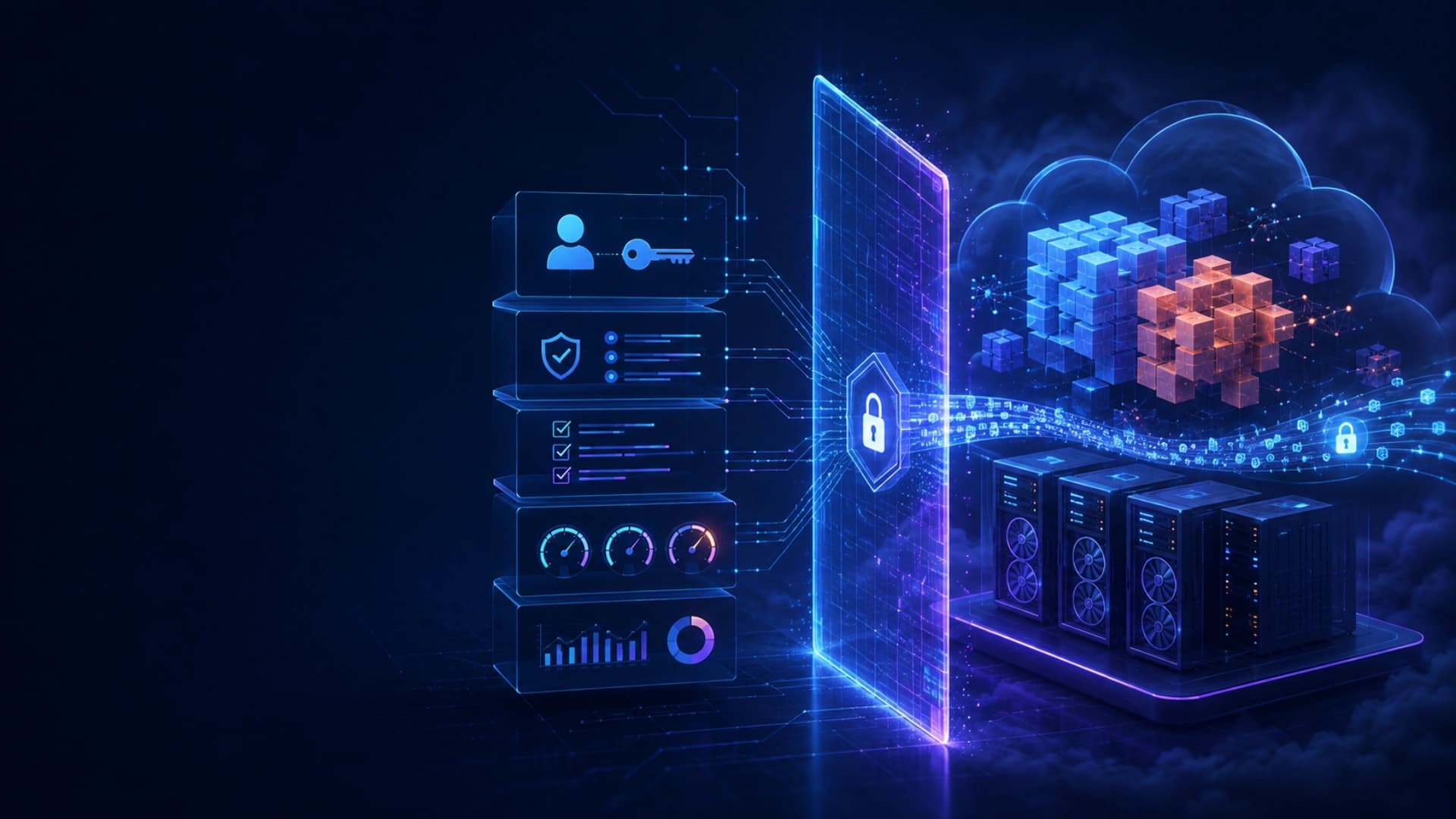
Deepnote introduced Deepnote Agent Workspace on August 3, 2026, a shared environment where data teams and agents work on the same context. It is not simply a chatbot connected to a warehouse. The product is positioned as a place to keep trusted analyses, business context, reusable skills, and continuously running workflows together.
Deepnote describes a common architecture across current enterprise data agents: start with verified sources, write down metrics and business semantics, separate procedures into reusable skills, and provide an interface for human review, access control, and an execution record. That separation makes it possible to distinguish what an agent knows from how it should perform a task instead of rebuilding every analysis from chat history.
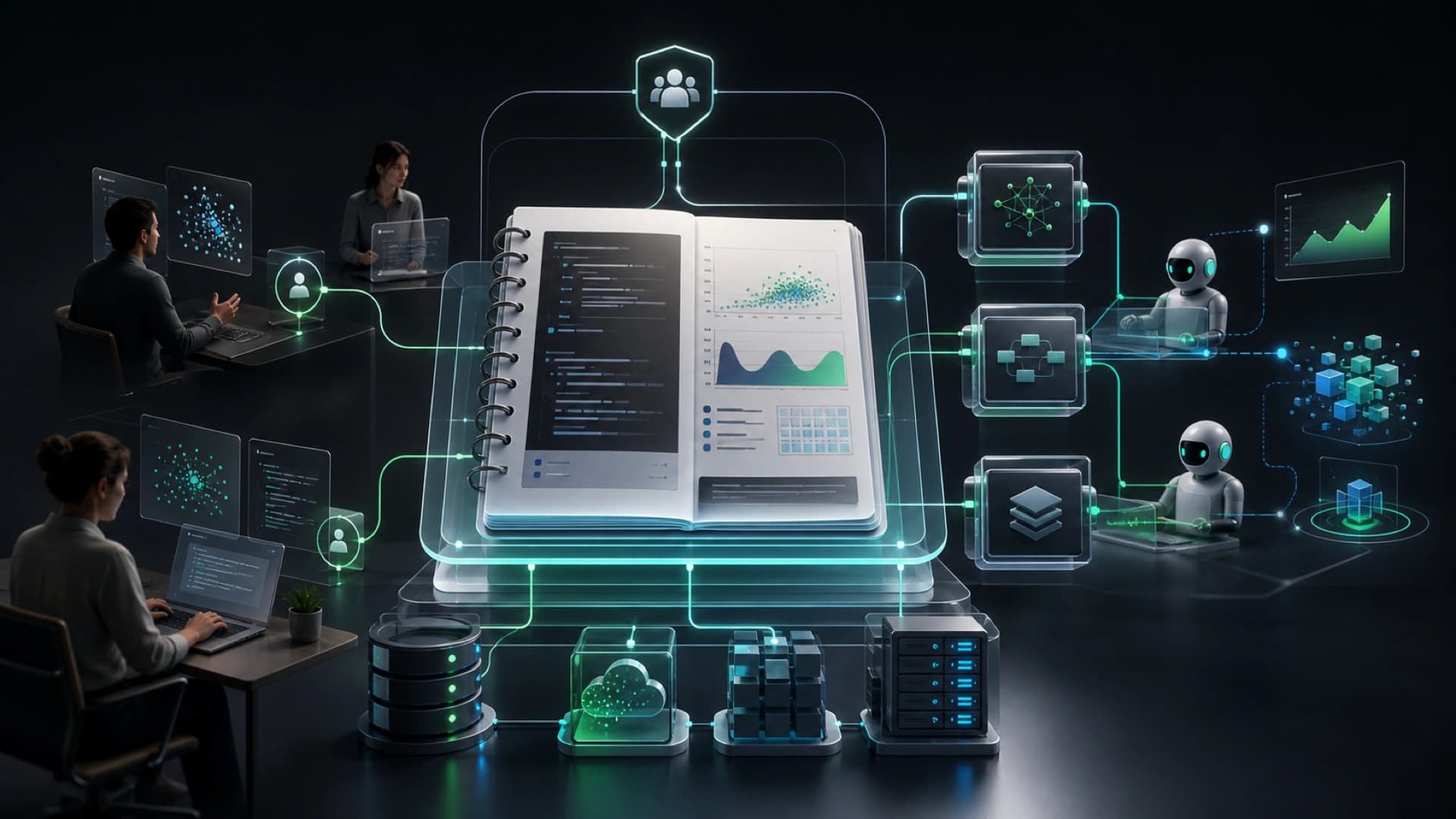
The workspace has three main building blocks: skills, agents, and apps. Skills carry the knowledge, rules, sources, and permissions an agent can use. Agents combine instructions, SQL, integrations, and tables into a runtime that can be used interactively, scheduled, or triggered through an API. Apps bring the work to people who will not open a notebook. Deepnote says the layers are connected by more than 100 native integrations, MCP connectors for services such as Salesforce and Linear, and custom MCPs.
The workspace is also available from different starting points: Deepnote, Codex, Claude Code, other IDEs, Slack, the terminal, and APIs. The idea is to carry the workspace’s data connections and permissions to wherever the agent operates, reducing the need for personal API keys inside scripts and one-off automations. The real outcome still depends on each integration’s permission scope, data freshness, and audit requirements.
Deepnote calls the notebook executable markdown: narrative, code, permissions, and execution environments live in one file. When an analysis automatically becomes context for the next agent run, a one-off investigation can gradually become a skill, a scheduled task, or an app. That model fits recurring reporting, metric monitoring, anomaly explanation, and handing results to different teams.
Another important signal is Deepnote’s framing of agent building as a specification and evaluation problem, not only an implementation problem. Domain teams own the operating knowledge, while data teams turn it into skills, agents, and apps that have permissions, tests, and traces. The context layer therefore needs an owner and a maintenance process; connecting a database once does not make the workflow reliable by itself.
Deepnote Agent Workspace is still a product announcement, so the exact availability of integrations, MCP support, scheduling, and Codex connections should be checked by account and plan. Its clearest proposition is to make shared context a managed workspace, allowing data agents to work continuously within defined sources, rules, permissions, and review paths rather than only answering isolated questions.