On July 31, 2026, DeepSeek updated its API changelog to announce the official DeepSeek-V4-Flash-0731 API release in public beta. For engineering teams, the key point is operational continuity: the calling method stays the same, and changing the model name to deepseek-v4-flash is enough to use the latest version.
DeepSeek says the new version has significantly stronger agent capabilities and publishes a set of vendor-reported results: 82.7 on Terminal Bench 2.1, 54.2 on NL2Repo, 76.7 on Cybergym, 54.4 on DeepSWE, and 70.3 on Toolathlon verified. It also reports 25.2 on Agent Last Exam, 25.1 on Automation Bench Public, 68.7 on DSBench-FullStack, and 59.6 on DSBench-Hard.
Those figures are useful signals, but they are not independent cross-model conclusions. DeepSeek says the public Code Agent benchmark tasks used the forthcoming DeepSeek Harness minimal mode with max effort, top-p 0.95, and temperature 1.0. DSBench-FullStack and DSBench-Hard are internal test sets. The result therefore reflects the model, harness, tool configuration, and test set together. Teams should rerun the tasks that matter to their own workflows instead of treating one score table as a deployment guarantee.
At the integration layer, DeepSeek says V4-Flash natively supports the Responses API and has been specifically adapted for Codex. DeepSeek-V4-Flash-0731 keeps the same architecture and size as V4-Flash-Preview and was mainly post-trained again. This update changes only the DeepSeek-V4-Flash API; the V4-Pro API and the models used by the app and web products remain unchanged. DeepSeek says the official V4-Pro release will follow later.
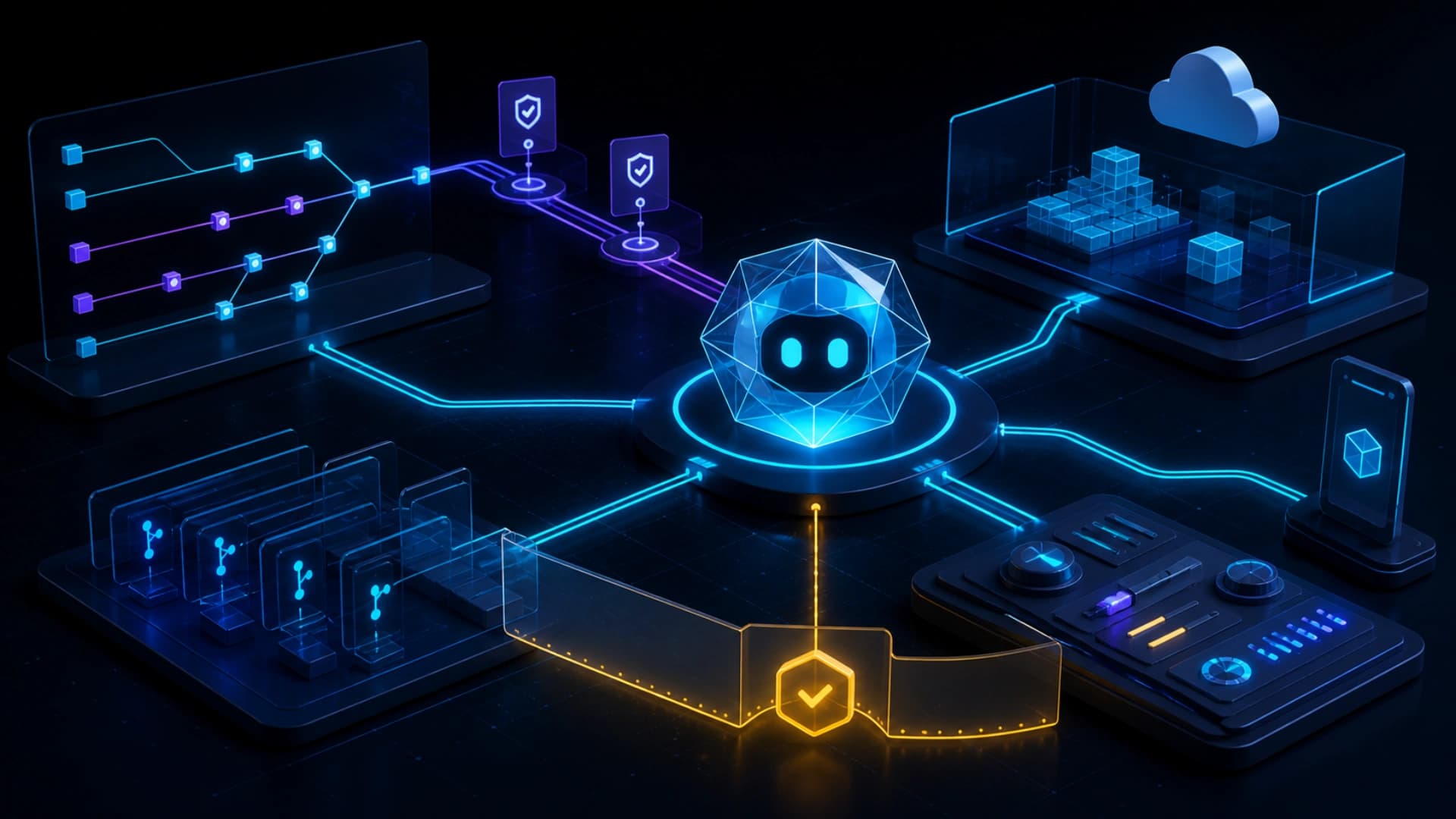
That separation between a model release and a product release is important. API users can switch a model identifier with relatively little code change, but they still need to verify tool-call behavior, long-running task recovery, output stability, latency, rate limits, cost, and logging. Better agent benchmarks do not make an entire workflow reliable, especially when it can write code, call external tools, or modify data. Permissions and human approval remain part of the system design.
The practical rollout pattern is to record the model name, harness version, and tool permissions together; keep a rerunnable regression set for critical tasks; and use real public-beta behavior to decide whether to expand traffic. DeepSeek’s update shows that agent-model competition is no longer only about a reasoning score. It is also about whether the API, Responses API, toolchain, and production observability form a system that can be managed.