GitHub updated Copilot usage metrics on June 26, 2026 so enterprise and organization reports can show total pull request merges by AI adoption phase. It looks like a reporting field change, but it matters for measuring the impact of AI coding inside real engineering teams.
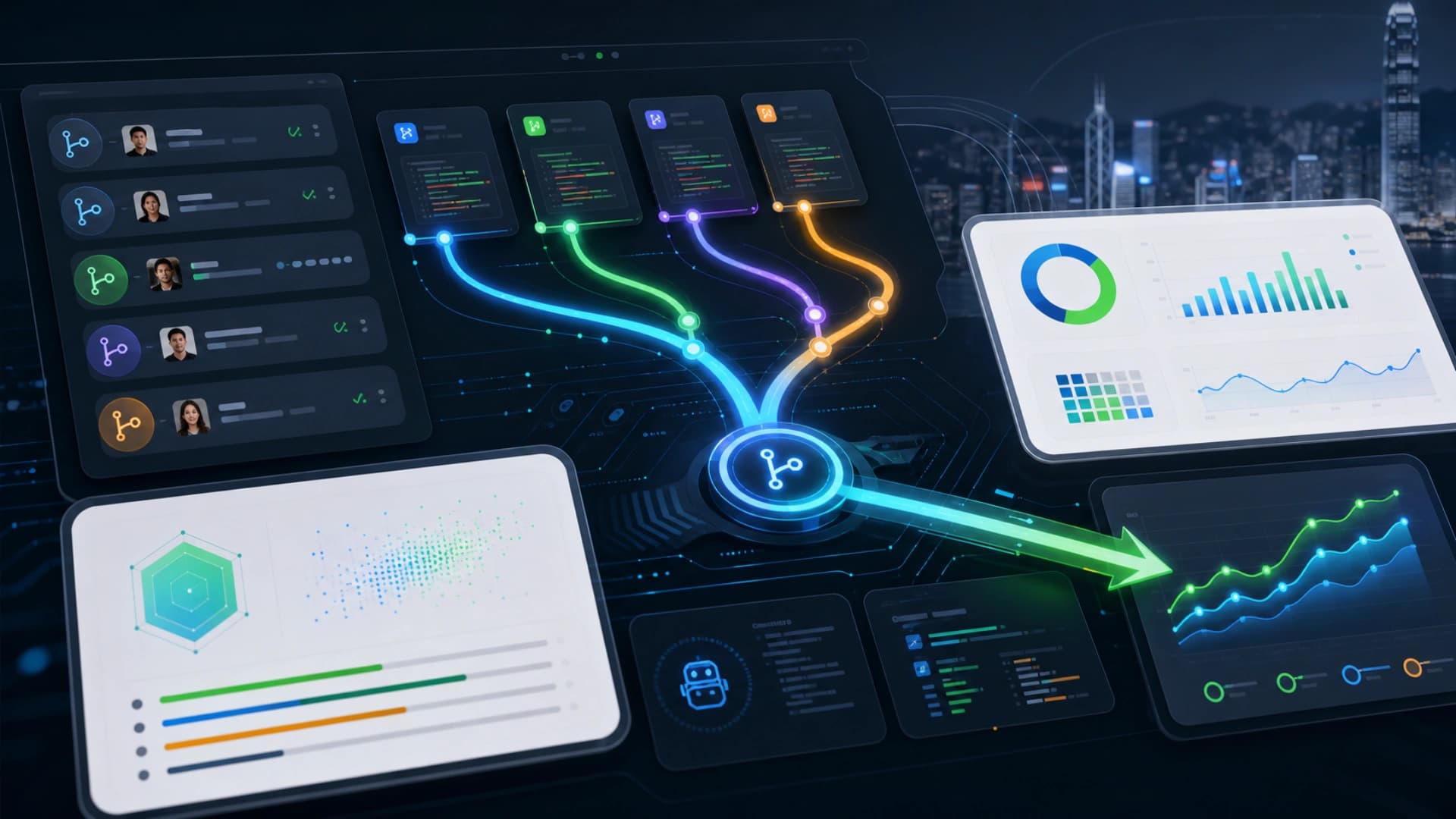
The totals_by_ai_adoption_phase breakdown previously reported per-user averages. The new total_pull_requests_merged value shows how many pull requests were merged on a given day by users in each adoption phase. It sits alongside the existing avg_pull_requests_merged value and is available in 1-day and 28-day reports.
The value of the change is that it moves AI measurement from individual averages toward team delivery volume. Averages can show whether a type of user is active. Totals make it easier to answer management questions: which adoption phase contributes the largest share of merged pull requests, and do more mature AI users actually move more work through the delivery pipeline?
For engineering leaders, that is closer to outcomes than counting Copilot chats, completions, or activated seats. The point of AI coding tools is not more interaction. It is steadier, faster, less blocked engineering flow. When reports connect adoption phase to merged PR totals, organizations can start asking whether AI usage translates into delivery impact.
The metric still needs careful interpretation. More merges do not automatically mean better quality. The number can be affected by team size, PR size, repository type, release cadence, and review policy. total_pull_requests_merged is most useful when paired with defect rates, review latency, change failure, cycle time, and code review quality.
GitHub notes that the total and average values use the same attribution, which helps keep analysis consistent. That matters because enterprise AI adoption can easily fragment across tools and dashboards. If the measurement basis is inconsistent, leaders cannot tell whether Copilot is improving throughput or only changing where work happens.
The larger signal is that AI coding is moving from personal productivity into management reporting. When Copilot adoption can be tracked by phase, throughput, and time window, companies can make enablement more systematic: which teams need training, which workflows fit agent tasks, and where governance or review should be strengthened.
This is not a flashy feature, but it is practical. The next phase of enterprise AI will depend heavily on observability. Teams need to understand how AI changes pull requests, reviews, merges, and releases before AI coding can move from experimentation into a stable engineering capability.