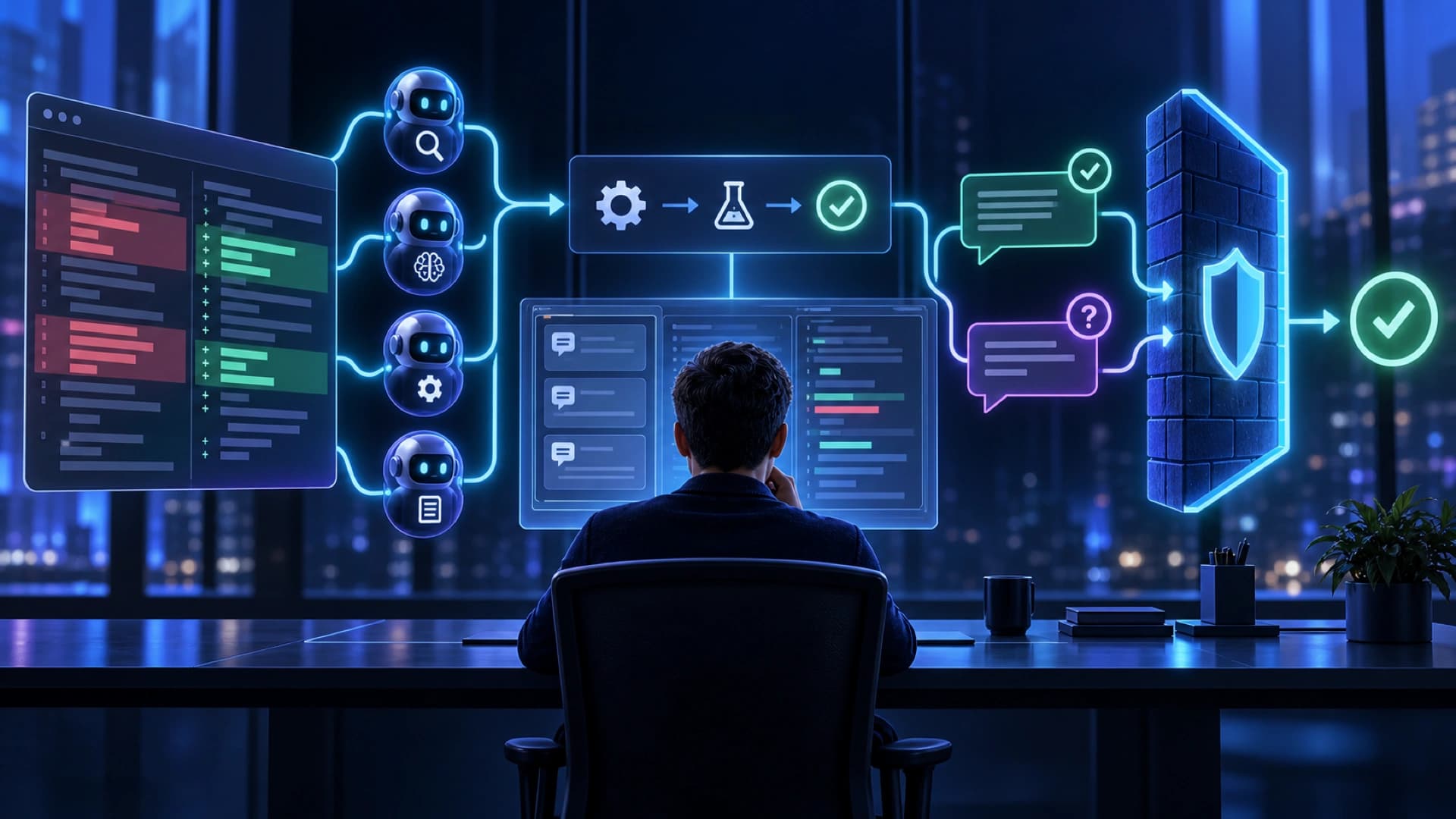
GitHub's Copilot app announcement at Microsoft Build 2026 sends a clear signal: AI coding is moving from a side-panel assistant into an agent-native desktop workflow. When developers delegate a production bug, a backlog issue, and review feedback to different agents at the same time, the hard problem is not only whether the model can write code. It is how people see, steer, verify, and merge that work.
The center of the app is My Work. From one view, users can see active sessions, issues, pull requests, and background automations across connected repositories. GitHub also says each session runs in its own git worktree and branch, with isolated files, conversation, and task state. That matters because parallel agent work can become fragile if several agents share the same working directory.
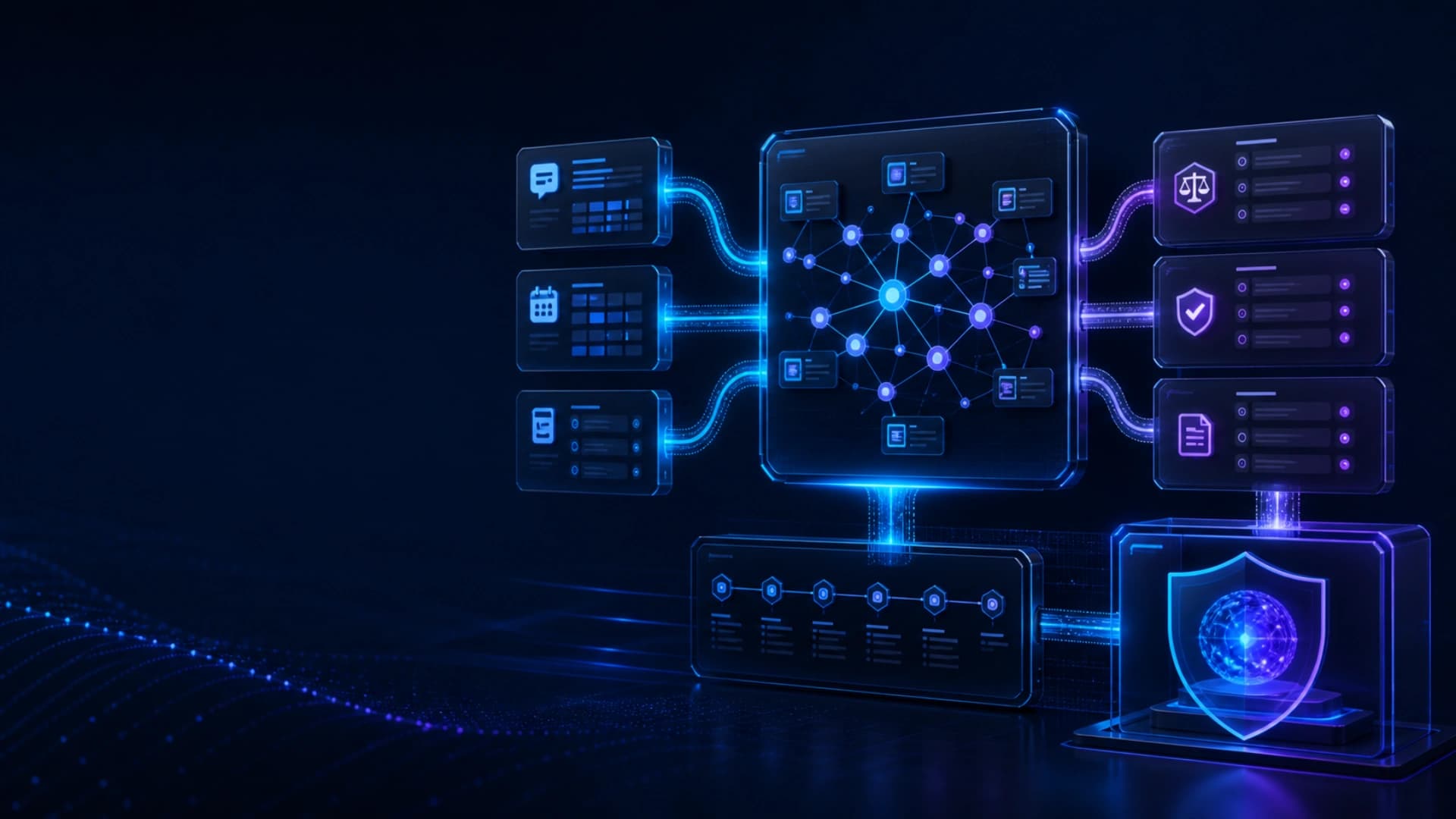
The release also introduces canvases. GitHub frames a canvas as a bidirectional work surface shared by humans and agents. It can represent a plan, pull request, browser session, terminal, release checklist, migration board, dashboard, or workflow state. The important shift is that agent progress is no longer buried in a chat transcript. It lands on a work object that can be inspected, edited, reordered, approved, or redirected.
Security and verification are just as central. The Copilot app supports local and cloud sandboxes so agents can run code, inspect results, test changes, and iterate inside bounded environments. Cloud sandboxes run in isolated ephemeral Linux environments. Local sandboxing can restrict filesystem, network, and system access. That shows agent tools treating isolation and policy control as core product capabilities.
GitHub is also tying the app into code review, Agent Merge, Copilot SDK, Copilot CLI, cloud automations, Memory++, and /chronicle. The broader picture is that agentic development will not be one standalone feature. It is becoming a work system that connects issues, code, review, CI, automation, and memory.