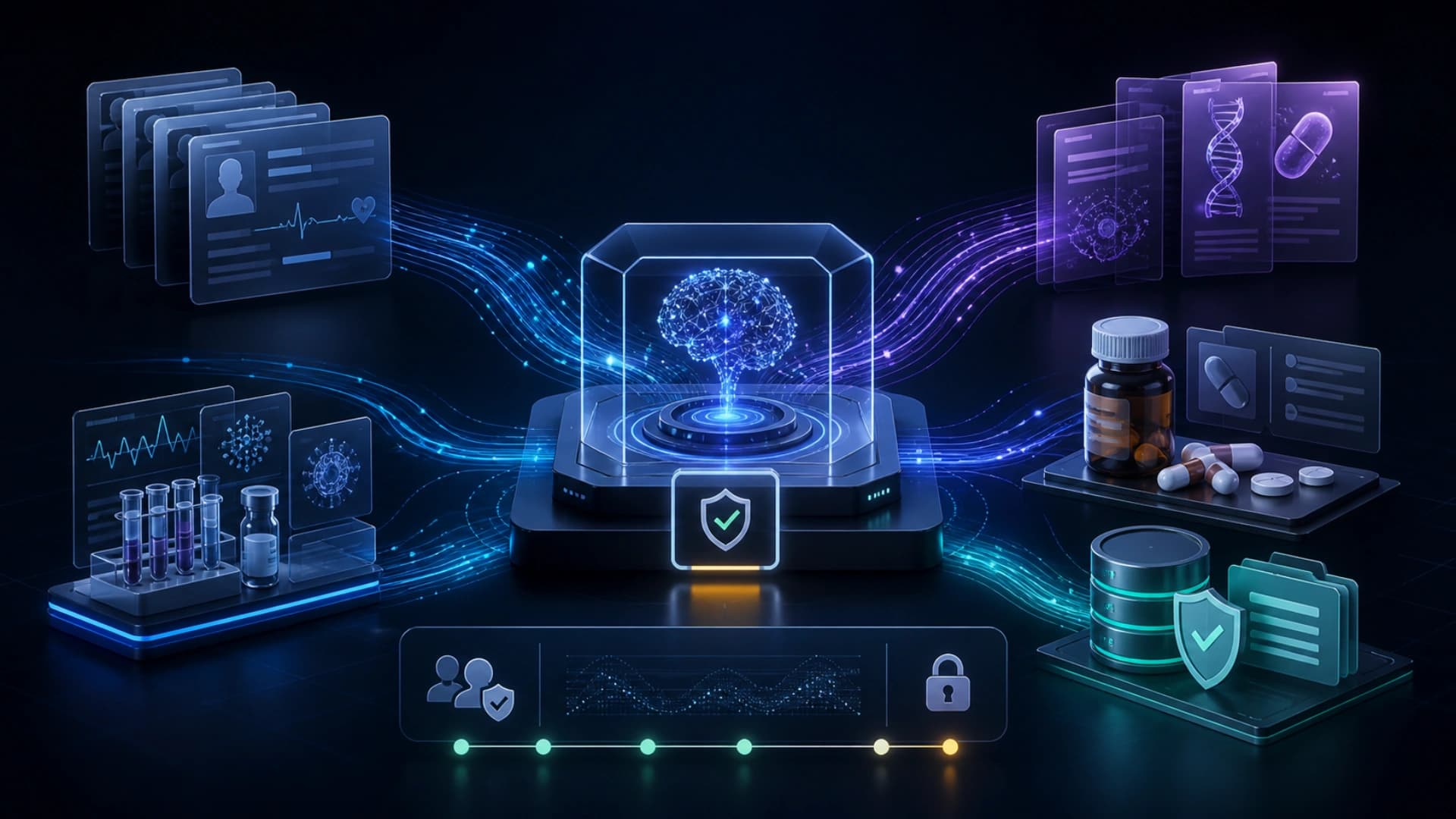
GitHub announced on June 10, 2026 that Copilot CLI now includes a dedicated security review command. The important part is that AI-assisted security review is moving into the developer's local workflow, before changes become commits or pull requests.
One of the main risks in AI coding workflows is that higher speed can also move mistakes and security debt into a codebase faster. Traditional controls rely on CI, CodeQL, dependency scanning, secret scanning, or human review, but many of those checks happen after a change is already prepared.
The Copilot CLI security review command points to a different layer. Developers can ask Copilot from the terminal to inspect current changes. That fits the everyday development loop, especially after fixing a bug, adding a feature, or reviewing a patch drafted by an agent.
This does not replace formal security review. It shifts feedback earlier and reduces the chance that obvious issues reach a pull request. Mature engineering workflows still need CI, branch protection, dependency policy, secret scanning, and clear human responsibility.
The timing is notable. GitHub recently made third-party coding agent security validation generally available, and now it is adding a local CLI review path. The pattern is that security checks are becoming part of the AI coding product itself, not only a downstream cleanup layer.
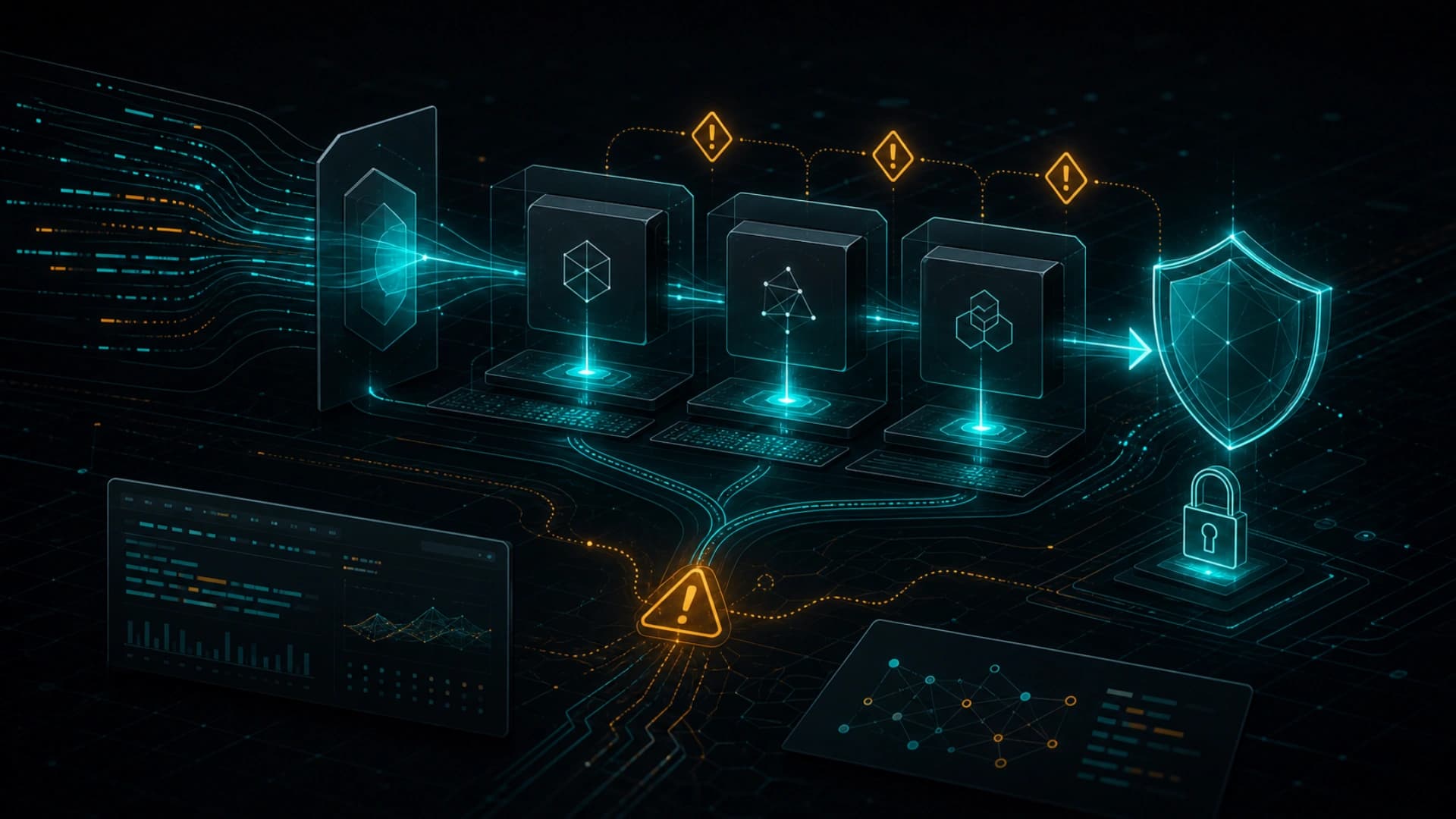
For development teams, the practical model is layered defense. Local CLI review gives quick feedback, pull-request checks enforce automated policy, and human reviewers handle business logic and architectural risk. That layering becomes more important when AI agents contribute code.
The signal is clear: AI coding tools are moving from writing faster toward catching risks earlier. Speed and security need to be designed together. Otherwise, the more capable the agent becomes, the more cleanup the team may inherit later.