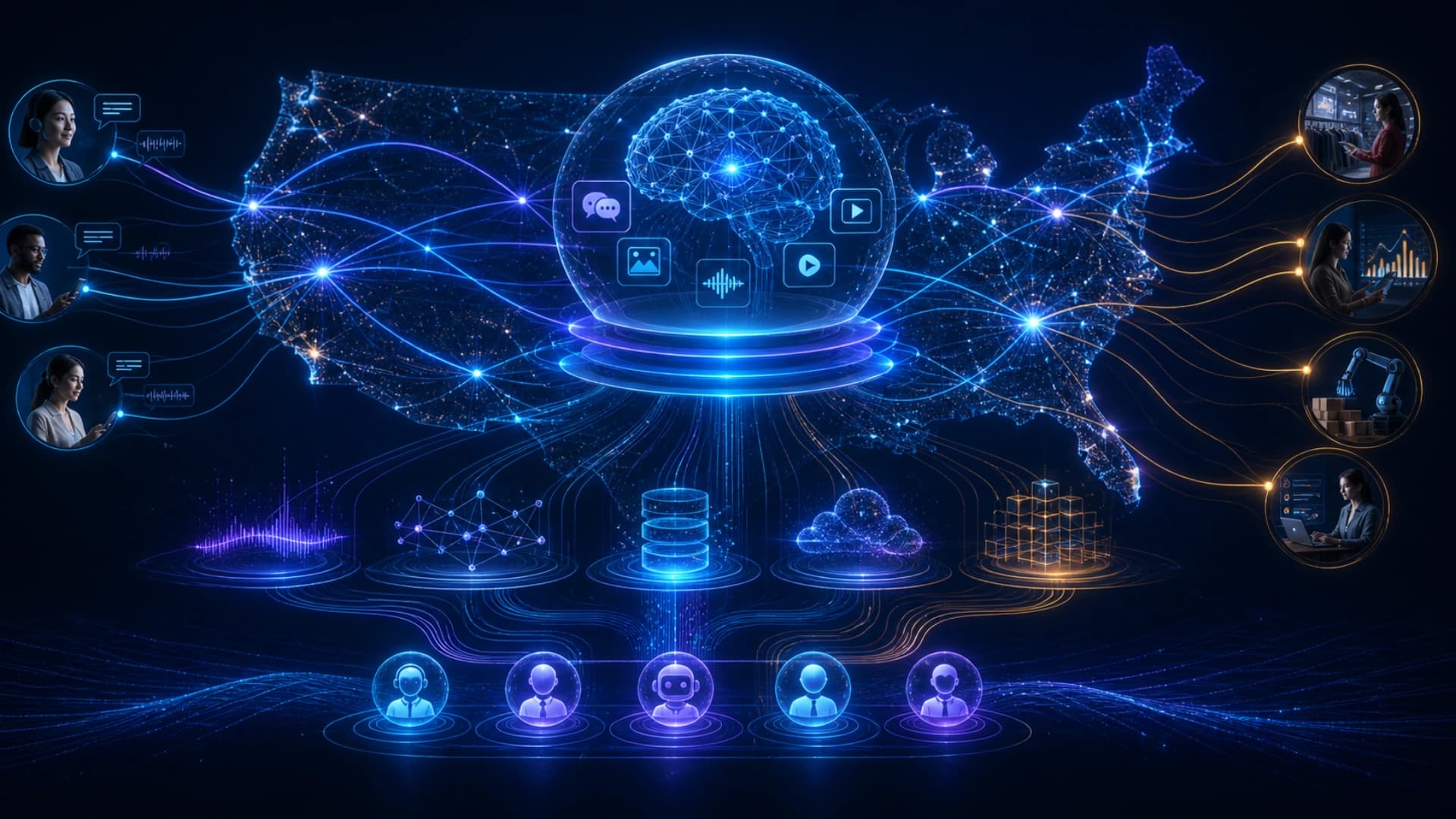
On August 24, 2026, Google Cloud announced a strategic partnership with Verizon that puts Gemini Enterprise, data infrastructure, and enterprise agents into one telecommunications operating blueprint. The announced scope covers customer experience, network intelligence, marketing platforms, cloud security, and employee productivity rather than a single model release.
For customer experience, Google Cloud says Verizon is evolving its existing contact-center relationship into Gemini Enterprise for Customer Experience, using Gemini's conversational and multimodal capabilities across digital touchpoints. The announcement says the platform handles the majority of Verizon's inbound consumer calls and chats each month, allowing care representatives to focus on more complex cases. That is a claim in the partners' release, not an independent customer-service study.
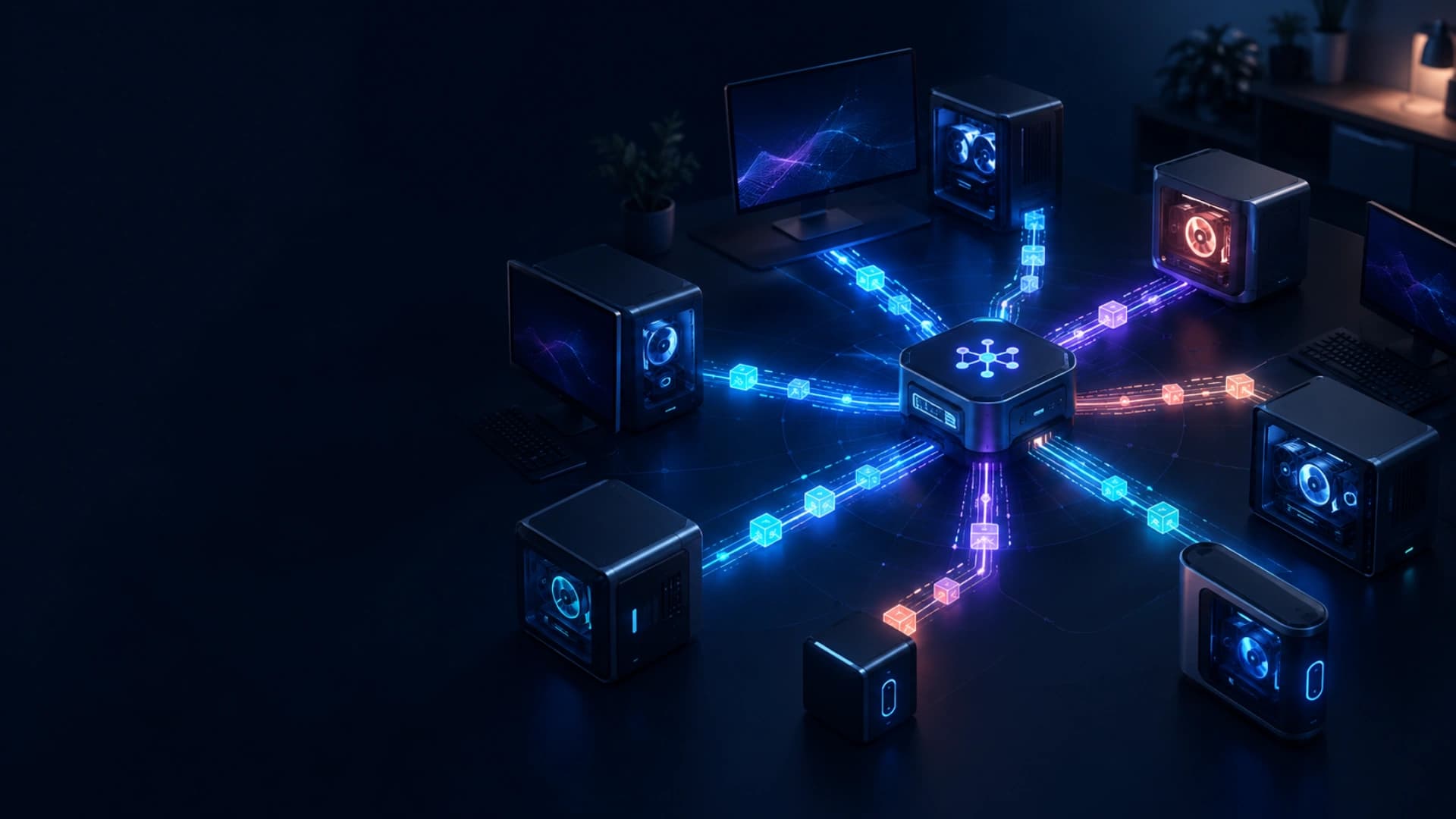
For network operations, Verizon is building an autonomous network intelligence framework with Google Cloud as a data-platform partner. The stated goal is to predict and resolve network anomalies before they affect customers. This pushes the agent role beyond answering questions toward observing operational state, proposing action, and potentially helping execute remediation, but the level of safe automation still depends on network permissions, recovery design, and human approvals.
The partnership also reaches directly into AI marketing. Google Cloud says Verizon is using its data and AI solutions to modernize marketing platforms, automate content creation and campaign orchestration, and support engagement, sales, and retention. The example shows enterprise agents appearing beyond IT, coordinating work across customer care, marketing, and network engineering.
Data infrastructure is another central theme. Google Cloud says Verizon has spent years consolidating legacy data lakes into Google's Agentic Data Cloud to break down silos, reduce operational overhead, and create a common foundation across structured databases, unstructured documents, and knowledge graphs. Gemini Enterprise then sits on that foundation to help build and deploy agents that understand context and execute tasks.
The practical lesson is that enterprise AI is often constrained less by model strength than by whether data can be unified under the right permissions. If a customer-care agent, a network-monitoring agent, and a marketing agent each connect to separate sources, the company gets more isolated automations. Data governance, identity, audit trails, and recovery paths need to come first if agents are to form cross-functional workflows.
This is a partnership announcement and transformation direction, not a new Gemini Enterprise product that is instantly available to every company. Claims about call coverage, anomaly prediction, marketing impact, and high-precision outcomes come from the Google Cloud and Verizon release and should not be treated as general results without independent data. The immediate signal is that Google Cloud is presenting Gemini, Agentic Data Cloud, customer care, networks, and marketing workflows as one enterprise AI stack.