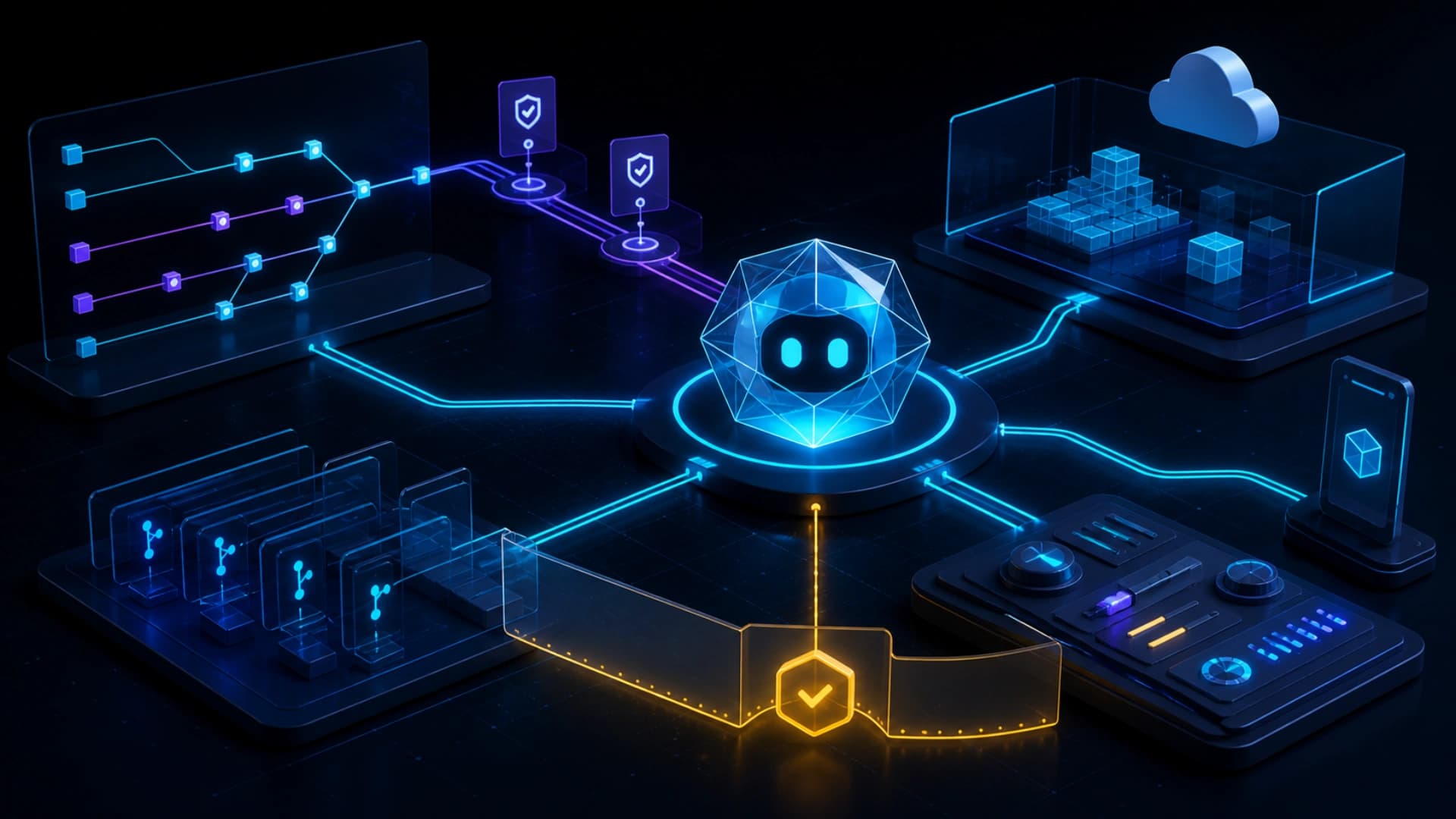
Google DeepMind announced a live ATL Saathi pilot with India's Atal Innovation Mission on July 14, 2026. The Gemini-powered web application is designed to give educators in Atal Tinkering Labs a 24/7 planning and training assistant.
Atal Tinkering Labs give more than 11 million students access to innovation tools such as 3D printing, IoT, and robotics. The important part of this launch is not another general chat window. It places AI inside the work educators already need to do: preparing lessons, organizing content, and mentoring hands-on projects. Google DeepMind describes the direction as turning the labs into AI-augmented discovery environments.
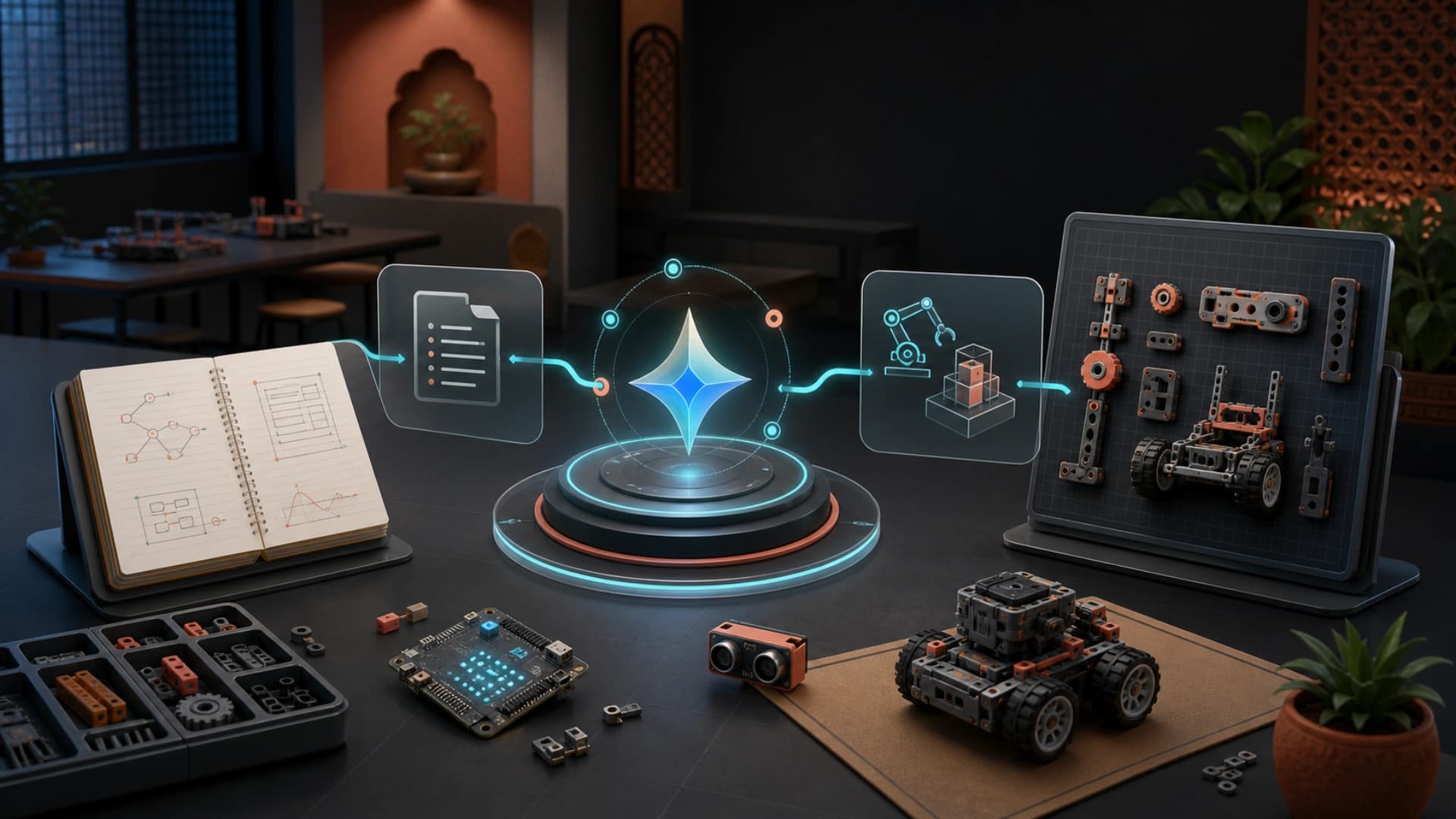
The first part of ATL Saathi focuses on curriculum organization. Google says training materials for 12 core modules will be managed in NotebookLM, with summaries, AI-generated infographics, video overviews, and interactive quizzes. The design breaks long training content into smaller micro-learning units, so teachers can find the piece they need without repeatedly reviewing an entire module.
The second part is project generation. Teachers can generate project ideas aligned with a module and grade level. When students bring their own problem statements, the application can help educators create step-by-step assembly instructions, wiring diagrams, and safety precautions. For classrooms with students at different levels, that link between curriculum alignment and practical build guidance is more useful than a generic paragraph of explanation.
Multilingual access is another meaningful detail. Google DeepMind says educators can interact with the assistant in their preferred language, and the system generates materials in that same language, starting with eight languages. That reinforces a basic point about education AI: usability depends not only on model capability, but also on language fit, curriculum grounding, and safety requirements.
ATL Saathi is powered by Gemini 3.5 Flash and will initially roll out to 100 pilot schools in India. Google says the goal is to reduce administrative load and give teachers more time for mentoring, inspiration, and hands-on guidance. The longer-term value will depend on evidence from the pilot: the accuracy of learning materials, the safety of project instructions, sustained teacher adoption, and measurable student outcomes.
The broader signal is that education AI is moving from answering questions toward supporting complete workflows. Once an assistant handles curriculum content, language, project design, and safety checks, the product needs teacher-in-the-loop review, clear source material, permission boundaries, and evaluation measures in the same system. For teams building AI into training, knowledge management, or STEM workflows, ATL Saathi is a useful implementation reference.