
On May 19, 2026, Google announced Managed Agents in the Gemini API. For developers and enterprise AI teams, this matters because it is not just another model endpoint. Google is packaging the infrastructure needed for agents to act: tool use, code execution, file state, browsing, and isolated runtime environments.
Google says developers can now use a single call to start an agent that reasons, uses tools, and executes code inside an isolated, ephemeral Linux environment. The experience is powered by the new Antigravity agent, built on Gemini 3.5 Flash, and is available through the Interactions API and Google AI Studio.
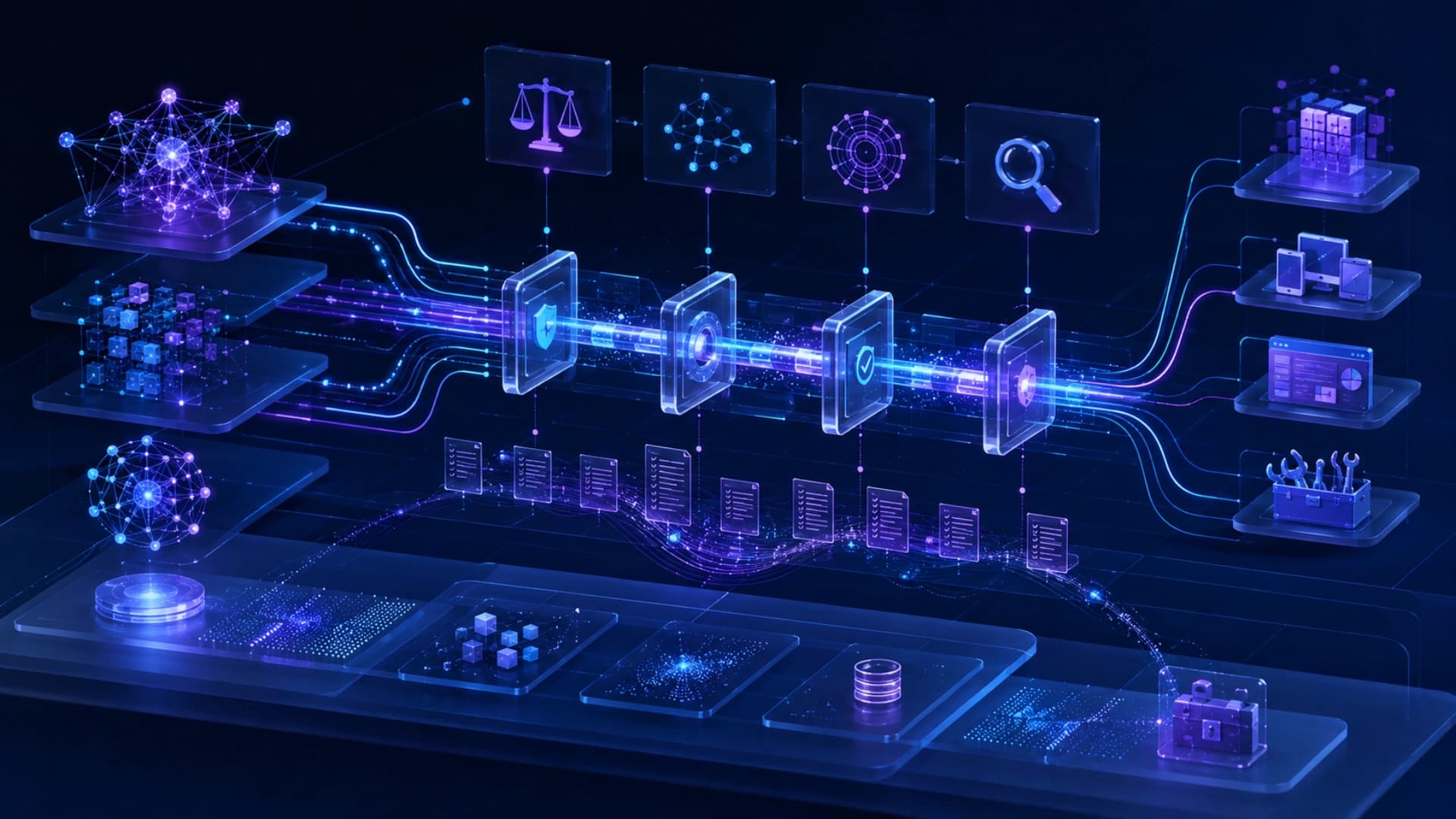
The announcement addresses a practical production problem: agents are not just models. To make agents useful inside products, teams need sandboxes, files, state, browsing, tool permissions, long-running task recovery, error handling, and infrastructure that can scale. Gemini Managed Agents abstracts much of that complexity so product teams can focus on user experience and agent behavior.
State is a key part of the design. Each interaction can create or receive an environment, and follow-up calls can resume the same session with files and state intact. That matters because real agent tasks are rarely one-turn conversations. They involve research, file creation, iterative changes, and decisions based on intermediate results.
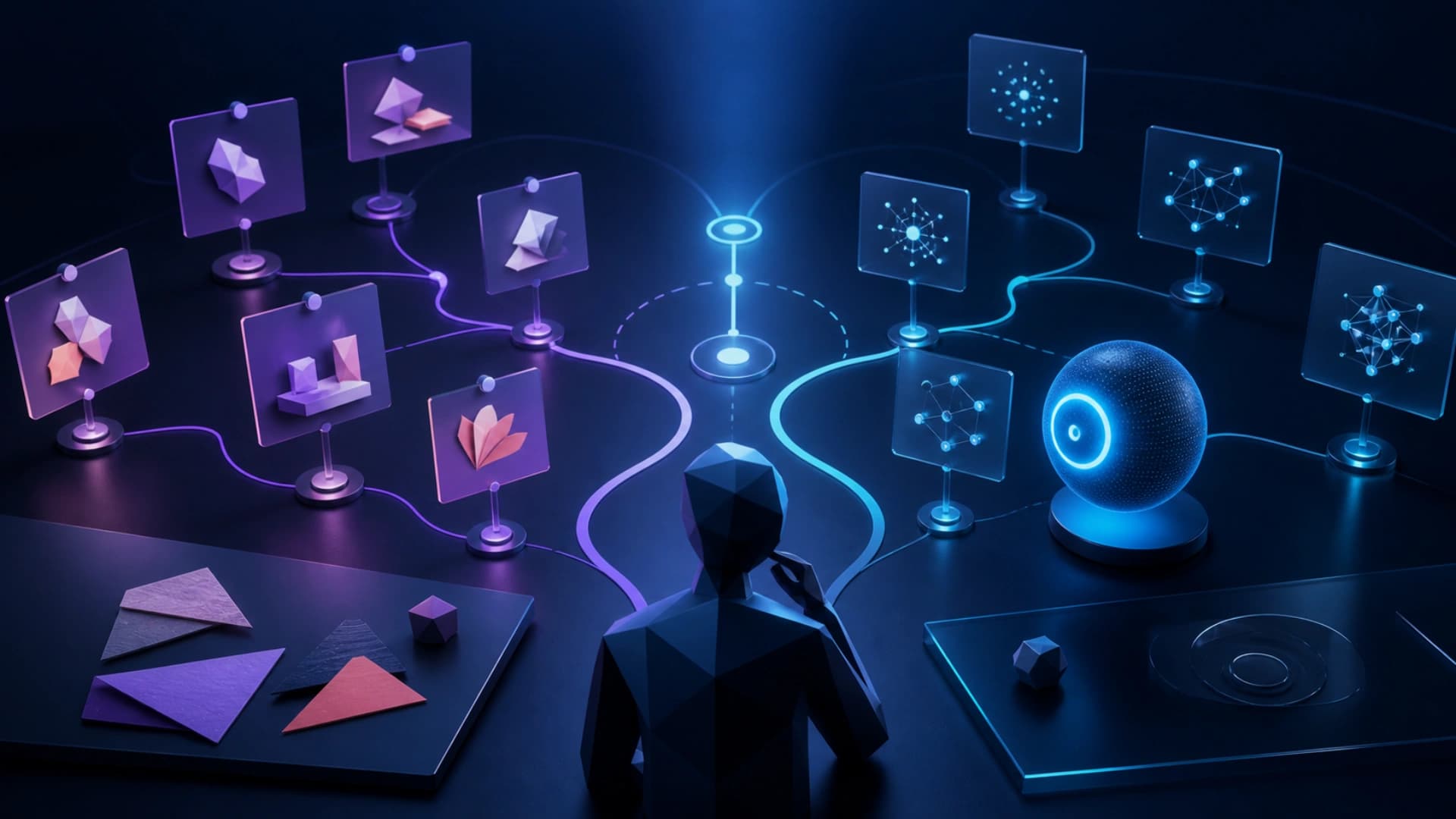
Google is also making custom agent definitions more engineering-friendly. Developers can extend the Antigravity agent with instructions and skills, define them in markdown files such as AGENTS.md and SKILL.md, and register them as managed agents. That moves agent behavior from hidden prompt strings toward versioned, reviewable, deployable assets.
There is an enterprise path as well. Google says support for managed agents in the Gemini API is being added to the Gemini Enterprise Agent Platform in private preview. That points toward agent infrastructure that can connect with governance, permissions, and enterprise data boundaries.
For teams building AI workflows, the signal is direct. In 2026, agent platform competition is not only about model rankings. It is about who provides reliable sandboxes, tool layers, session state, instruction versioning, and governance. As those foundations mature, more products can embed agent capabilities without every team rebuilding the execution environment from scratch.
Abstraction does not remove responsibility. Product teams still need to define what data an agent can access, which tools it can call, how failures are handled, and how outputs are reviewed. Managed Agents lowers the infrastructure barrier, but it makes product design, permissions, and acceptance testing even more important.