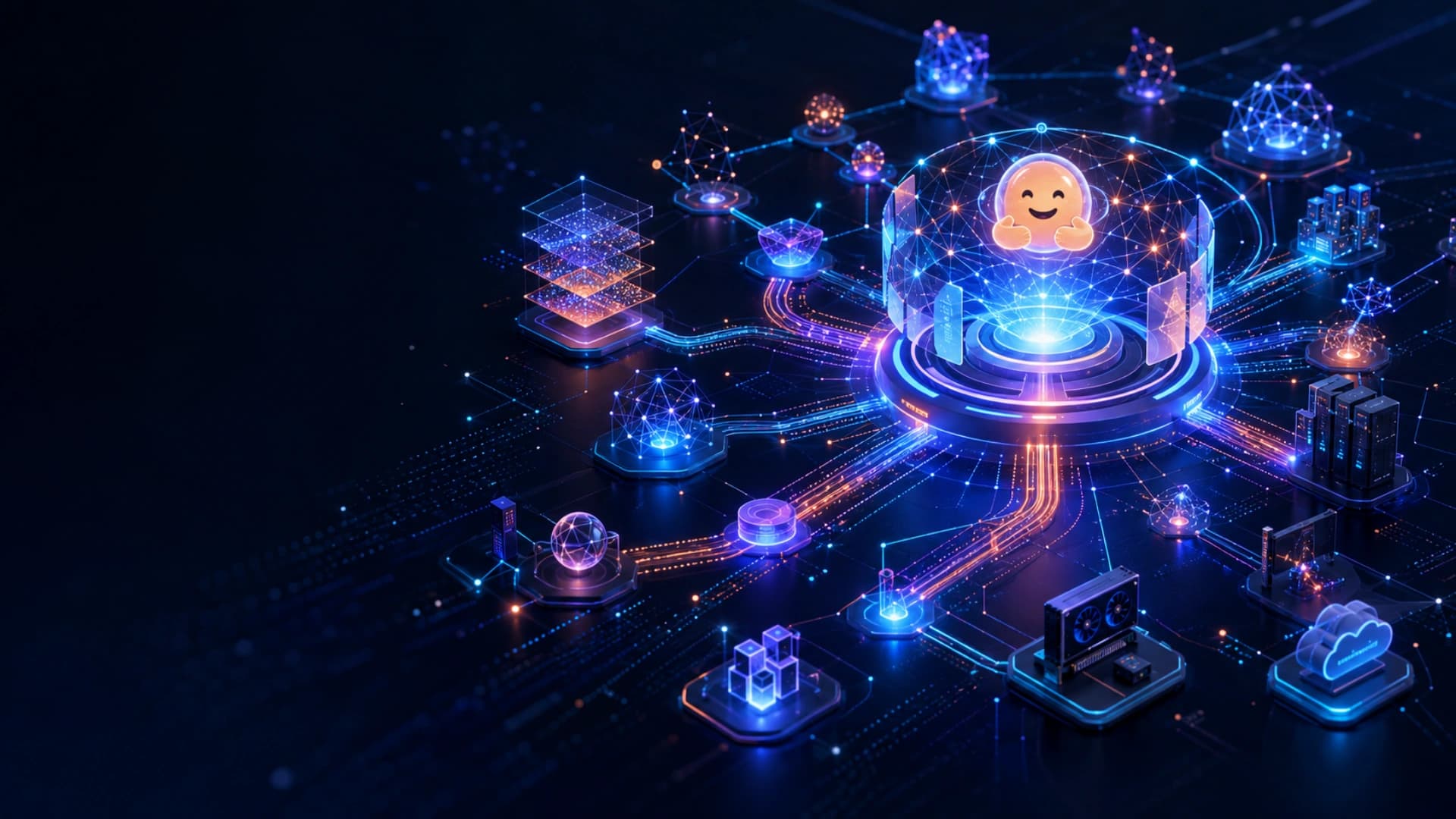
SpaceXAI announced on July 15, 2026 that Grok Build is open source, describing it as the harness behind its coding agent and terminal UI. The significant part is not a standalone model release. It is the publication of the execution skeleton that assembles context, calls tools, edits code, and shows progress to the user.
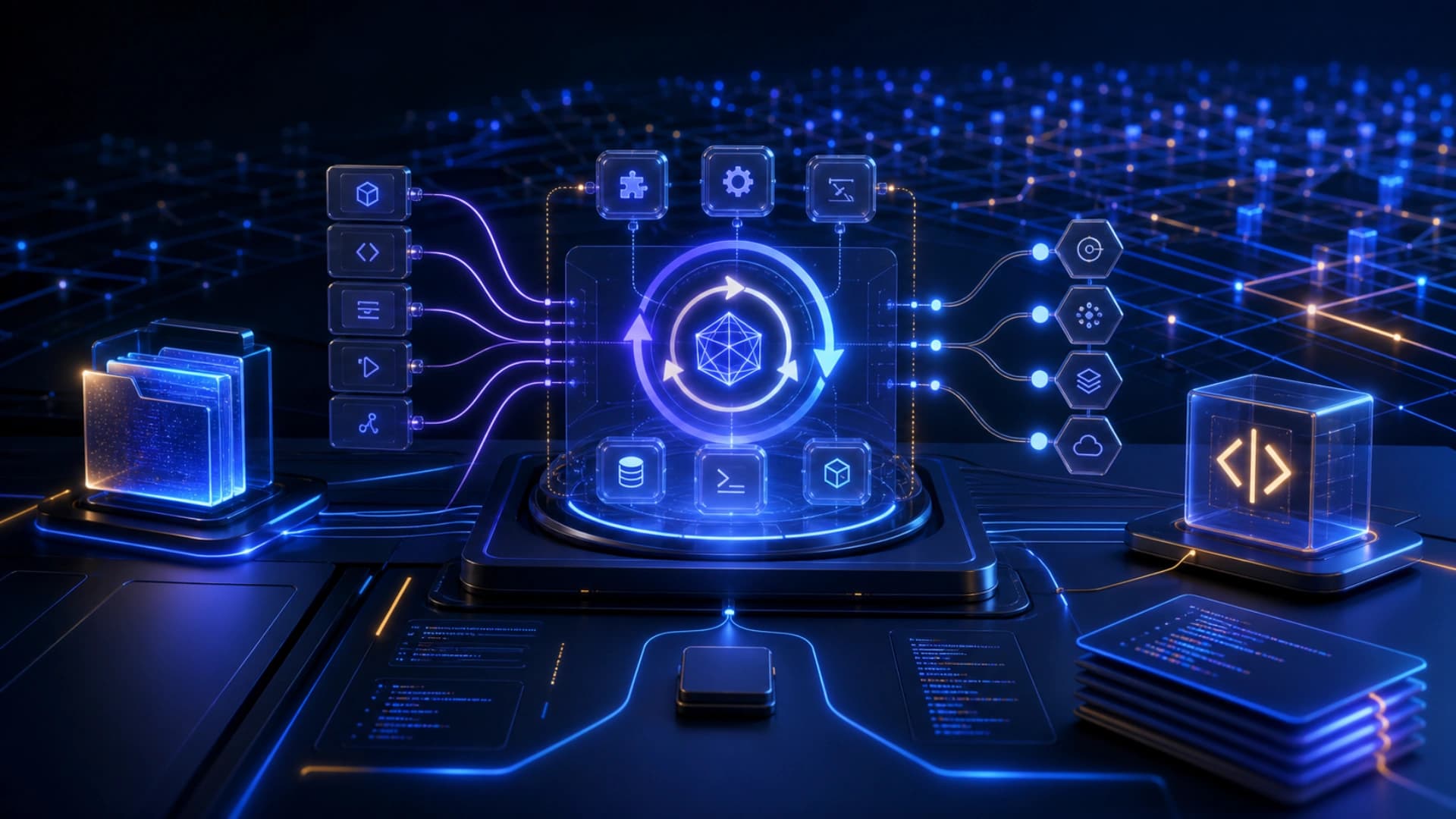
The published code includes the agent loop: how context is assembled, model responses are parsed, and tool calls are dispatched. It also includes tools for reading, editing, and searching code, as well as running commands. The terminal interface covers rendering, plan review, and an inline diff viewer so users can inspect the plan and changes while the agent works.
The extension system is another important piece. SpaceXAI says the code shows how skills, plugins, hooks, MCP servers, and subagents are loaded and invoked. That makes the boundary of an agent harness more concrete. The model is only the decision core; the working capability also depends on context assembly, tool contracts, permissions, execution environment, and feedback.
SpaceXAI also says Grok Build can run local-first. Users can compile it themselves, point it at local inference, and drive it through a config.toml file. That does not make every deployment offline or secure by default. It does provide an architecture that is easier to inspect, modify, and control at the network boundary.
An open-source harness is useful because it can be audited and extended. Teams can study how a coding agent handles long context, failed tools, plan changes, and diff presentation, then connect similar ideas to their own models, MCP services, or test pipelines. But an open execution skeleton is not the same as open model weights, complete production settings, or every dependency. Adoption still requires checking the license, maintenance pace, dependency sources, and security response process.
For enterprises, the larger design question is how to make an editable harness governable. An agent that can run commands needs explicit file boundaries, network policy, secret management, sandboxing, and approval points. Even with plan review and inline diffs in the TUI, tests, linting, secret scanning, and human code review still belong in the delivery path.
Grok Build's open-source release shows coding-agent competition moving from autocomplete toward harness engineering. Model quality matters, but context, tools, plugins, MCP, subagents, auditability, and local execution determine whether the agent can work reliably across real projects.