The important part of xAI's Grok Imagine 1.5 Preview is not only that another image-to-video model exists. It is that video generation is being placed into an API workflow. On June 3, 2026, xAI made `grok-imagine-video-1.5-preview` available through the xAI API in preview, letting developers turn a single still image into a fluid, cinematic clip.
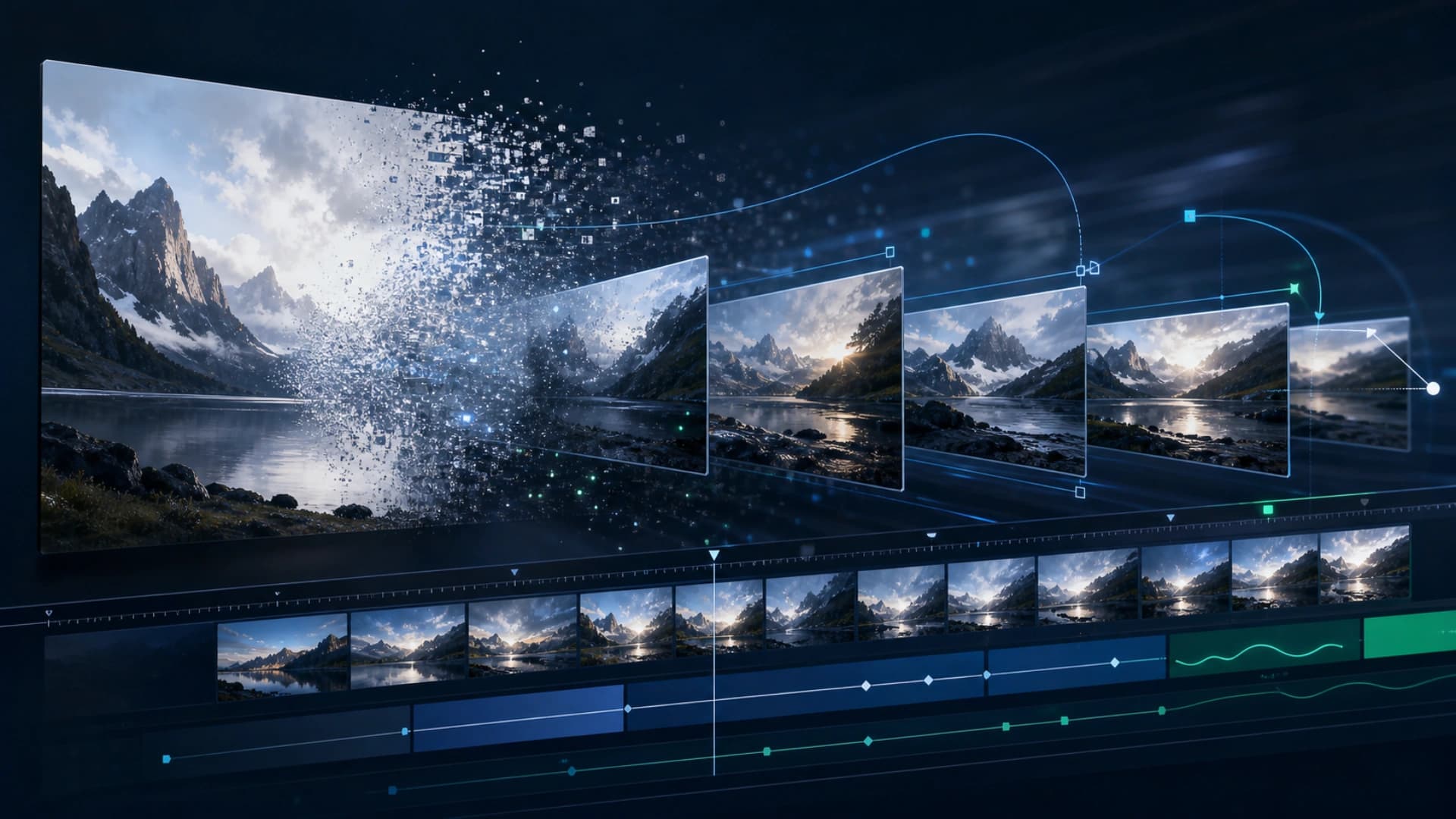
The product framing is specific. A user supplies a starting frame, then describes the motion in natural language. The model animates camera movement, atmosphere, and physics while preserving the detail and lighting of the source image. That is different from regenerating a scene from scratch. It is closer to extending an approved visual asset into controlled motion.
xAI also emphasizes shot direction. Prompts can describe the camera move, pacing, sound design, resolution, and clip length, with clips available up to 720p. For marketing, product demos, game assets, social video, and prototypes, this means a team can define the key visual first, then generate motion shot by shot.
The sequence workflow is just as important. xAI says teams can stage each frame, animate it, and chain shots together into longer scenes with a consistent look across a project. For content teams, the production bottleneck is often not a single generation. It is keeping multiple shots visually coherent.
The API example also shows where xAI wants Grok Imagine to fit. Developers can call video.generate through `xai_sdk`, pass an image_url, duration, resolution, and prompt, then receive an output URL. That shape makes it practical to connect the model to DAM systems, CMS workflows, ad-creative generation, landing-page variation tools, or internal creative review surfaces.
The limits are also worth noting. Preview status, 720p output, image-to-video framing, and short clips make this more suitable for asset exploration, hero motion, product concepts, and social cuts than full long-form production. Enterprise users still need controls for rights, brand consistency, likeness, source assets, and approval.
The core signal is that AI media workflows are moving from interactive generation toward API-first production. When images, prompts, shot direction, and output URLs can all be orchestrated by software, AI marketing becomes less about one-off generation and more about a reviewable, repeatable content pipeline.