HPE announced a set of HPE AI Factory with NVIDIA updates at HPE Discover Las Vegas on June 16, 2026. The notable point is not another list of GPU specifications. It is that enterprise agentic AI is being framed as a production architecture problem across governance, security, observability, data preparation, cost control, and sovereign deployment.
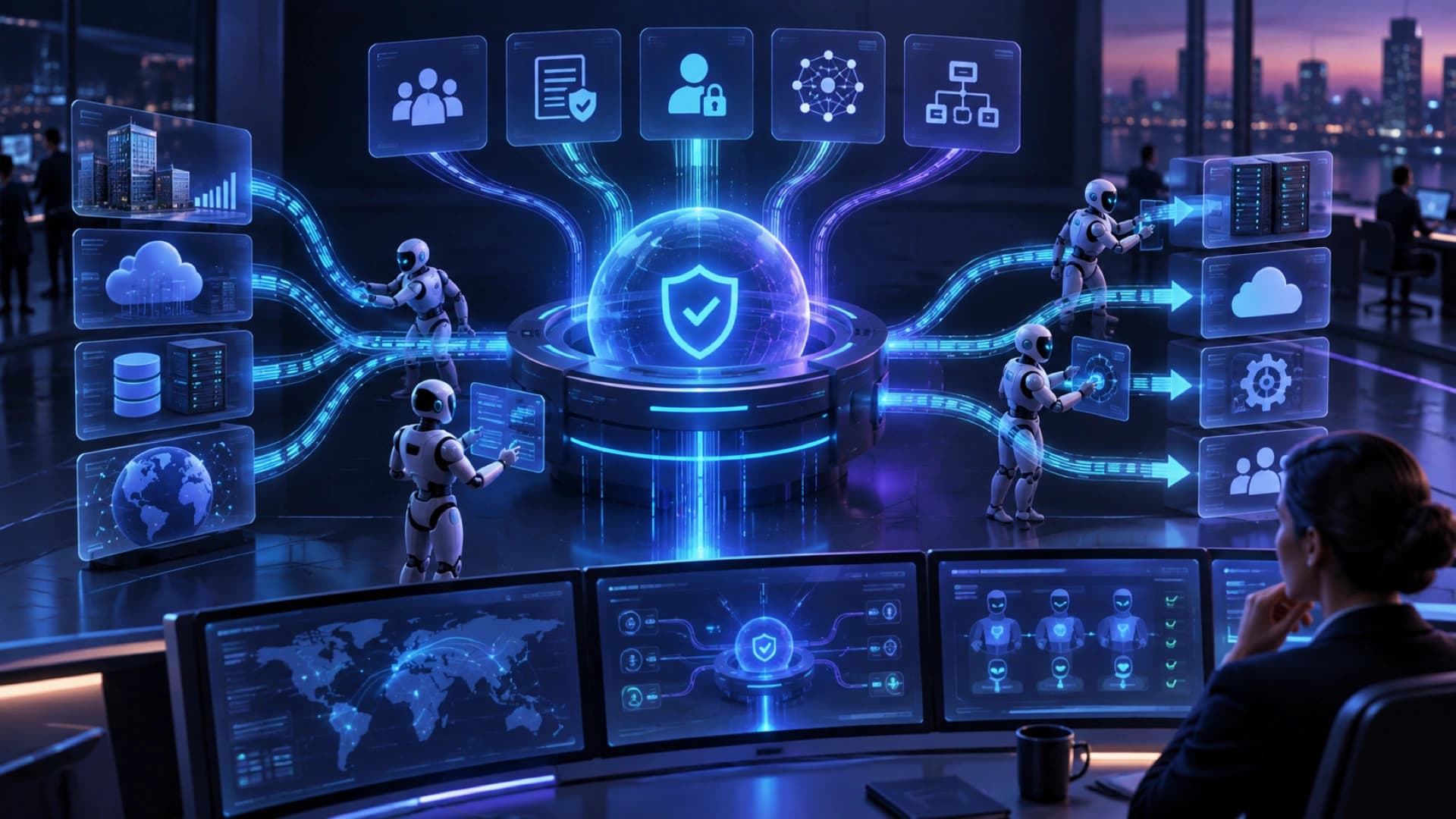
HPE's message is direct: as AI becomes more autonomous, organizations need an architecture that can run it securely, govern it responsibly, and scale it economically. HPE Private Cloud AI is adding controls for trusted agentic deployment, including NVIDIA Agent Toolkit, Nemotron open models, NemoClaw, and the OpenShell secure runtime. The goal is to let enterprises monitor agent behavior, enforce policies, and reduce deployment risk.
That moves the discussion beyond whether a model is capable enough. In production, agents need to be registered, approved, limited by tool permissions, and traceable when behavior goes wrong. HPE also points to Zerto Software support for detecting rogue agent actions and using continuous data protection to rewind to a clean state. For regulated industries, that is important because an agent failure is not only a wrong answer. It can become a wrong action.
Data pipelines are the other major theme. HPE says Private Cloud AI can turn unstructured data into AI-ready pipelines while applying metadata and governance policies through HPE Alletra Storage MP X10000. In a cited benchmark, KV cache-aware inference optimization improved time to first token by about 20x, while internal HPE testing showed token throughput improvements of up to 20%.
HPE Data Fabric Software will also extend Model Context Protocol support to Apache Airflow and introduce an enterprise AI inventory. That matters because agents cannot run serious business processes on prompts alone. They need to know where data lives, who can use it, how context enters the workflow, and how governance evidence is preserved across systems.
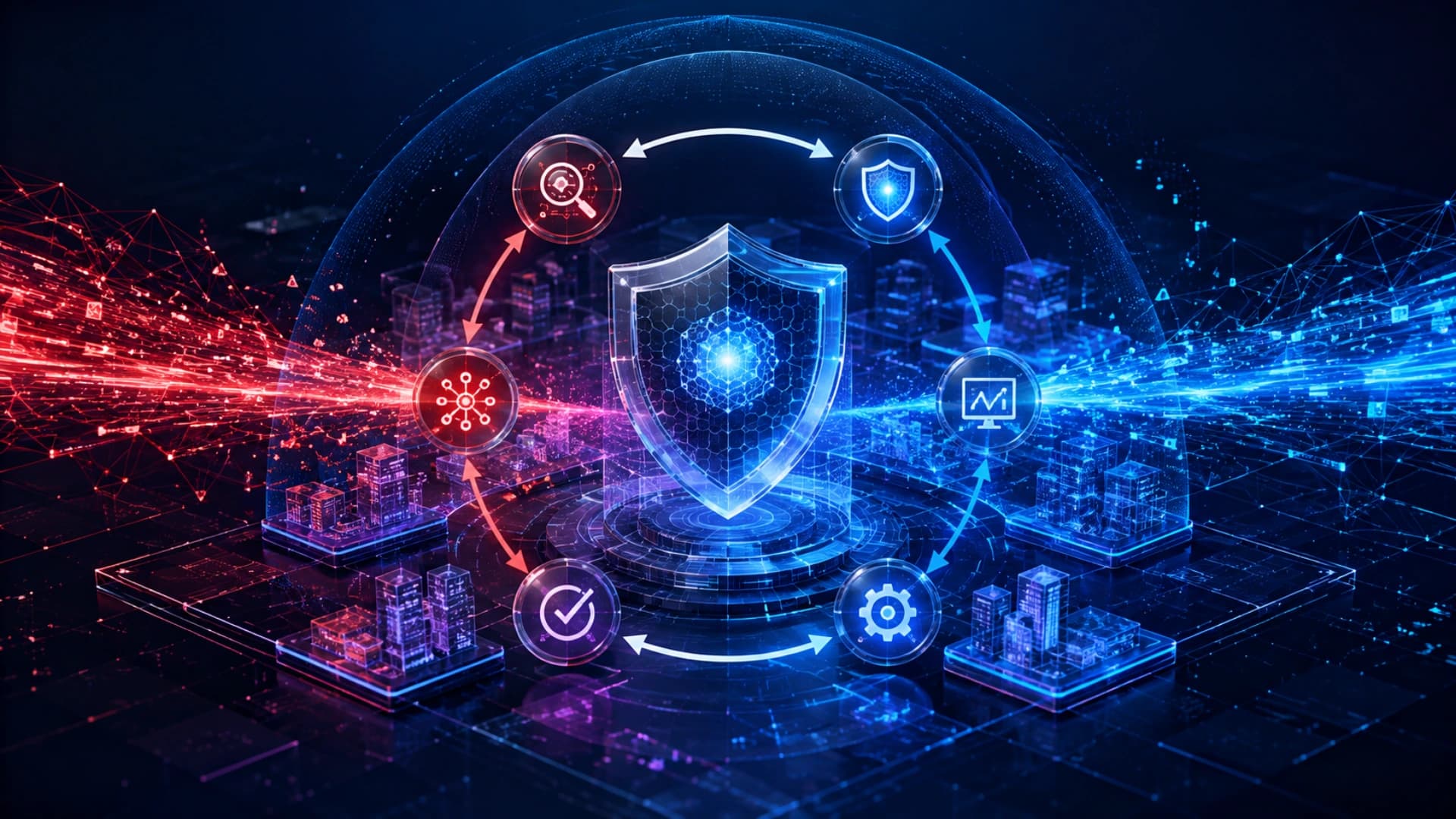
NVIDIA Confidential Computing extends the security boundary for large-scale AI factory and sovereign AI deployments. HPE says the integration is designed to protect models and private data during execution in on-premises or sovereign environments, using attestation and encryption to establish a chain of trust. As companies put internal data, models, and agents into the same production chain, runtime-level protection becomes a core requirement.
Overall, this update shows agentic AI competition moving into infrastructure. Enterprises do not only need an agent that can answer questions. They need an operating platform for data, permissions, approvals, cost, observability, and recovery. That is likely to be the line between agent pilots and production AI systems in 2026.