
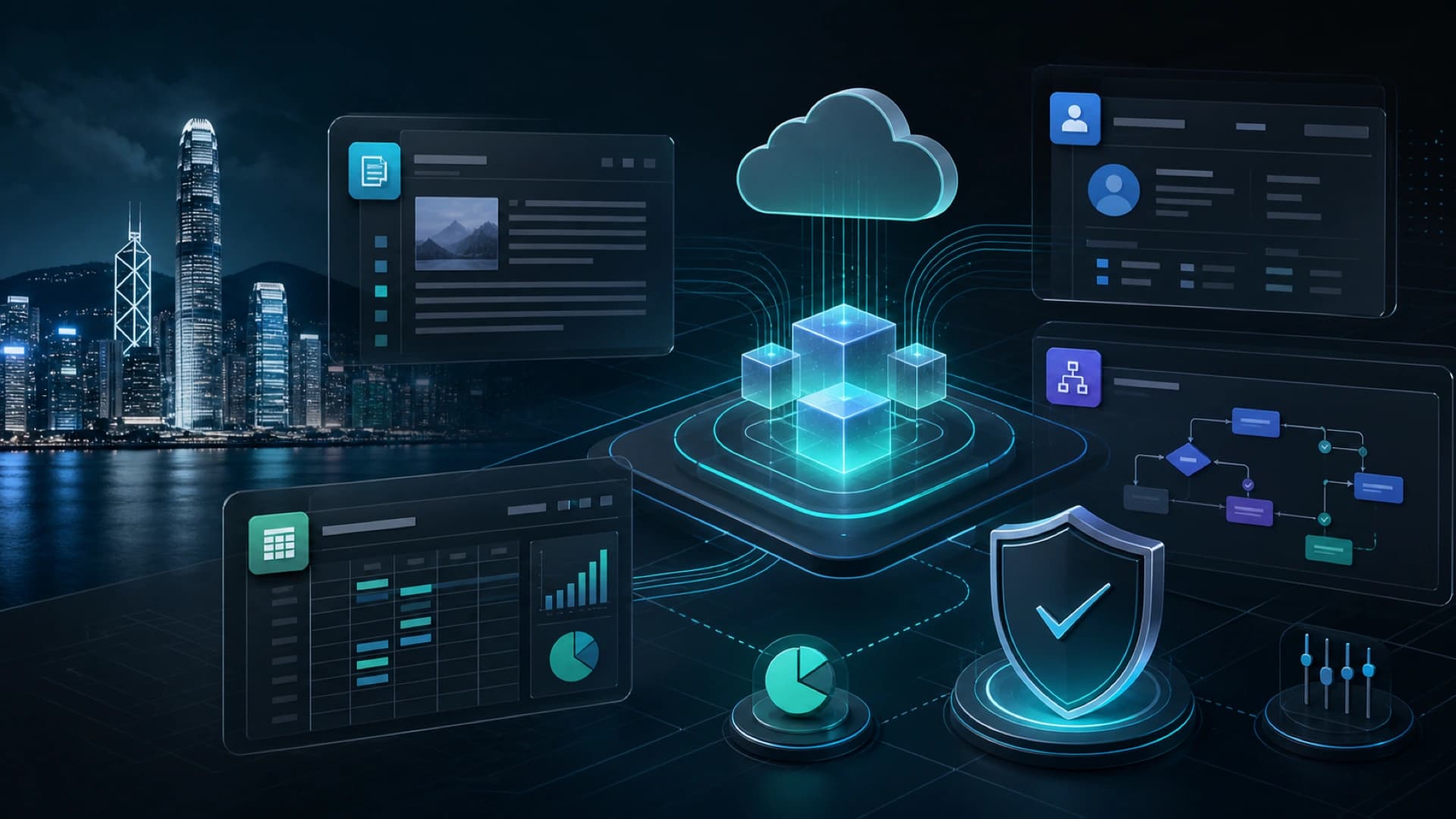
Microsoft announced worldwide general availability for Copilot Cowork on June 16, 2026. The update is not just another chat entry point. It pushes Microsoft 365 Copilot toward a different work model: users define complex tasks, Cowork executes across tools in the cloud, and the user receives a completed result.
Microsoft says more than half of the Fortune 500 used Copilot Cowork during its three-month Frontier preview. The examples listed by Microsoft include safely editing batch-job spreadsheets, generating dependency flow charts after changes, comparing nearly four thousand files across product versions, and analyzing a stalled sales pipeline to find at-risk opportunities and cold follow-ups. These are long-running, multi-step, context-heavy jobs rather than simple suggestions.
Copilot Cowork's positioning is direct: it executes complex, long-running, multi-tool tasks. Microsoft distinguishes it from prompt-and-response experiences by emphasizing end-to-end task execution rather than draft generation. That shift matters because the most time-consuming enterprise work is rarely a question-and-answer interaction. It is a workflow across documents, email, meetings, spreadsheets, systems, and approval points.
Security and governance are central to the launch. Cowork runs in the cloud, files are not stored locally, and tasks can continue even when a user's laptop is off. It also operates within the Microsoft 365 trust boundary and follows an organization's existing policies and controls. Microsoft highlights audit log, Data Security Posture Management, eDiscovery, Insider Risk Management, Data Lifecycle Management, and Communication Compliance, with DLP coming later.
Another core design point is multi-model support. Microsoft says Cowork can use different models based on what the task needs instead of locking work to a single model. The company also says Cowork 1, a secure fine-tuned model designed for lower-cost task execution, will arrive in the coming weeks. That reflects a broader enterprise-agent reality: competition is about matching capability and cost to the task, not only using the largest model.
The pricing model is also important. Copilot Cowork requires a Microsoft 365 Copilot User Subscription License and then adds usage-based billing denominated in Copilot Credits. Microsoft says each task price is calculated from model use, context retrieval, tool calls, and runtime. It also describes light, medium, and heavy task patterns so enterprises can understand how task complexity changes credit consumption.
Those details show enterprise agents becoming operating units rather than simple features. When an agent runs for a long time, calls models repeatedly, retrieves enterprise context, invokes tools, and produces artifacts, companies need new procurement, budgeting, audit, and governance methods. A flat per-seat subscription does not fully describe this kind of workload.
The signal from Copilot Cowork GA is clear: mainstream workplace platforms are moving AI from assistance into execution. The next enterprise evaluation question is not only whether an AI tool answers well. It is whether it can complete multi-tool work safely, keep costs controllable, keep data inside a trusted boundary, and give humans clear task and approval control.