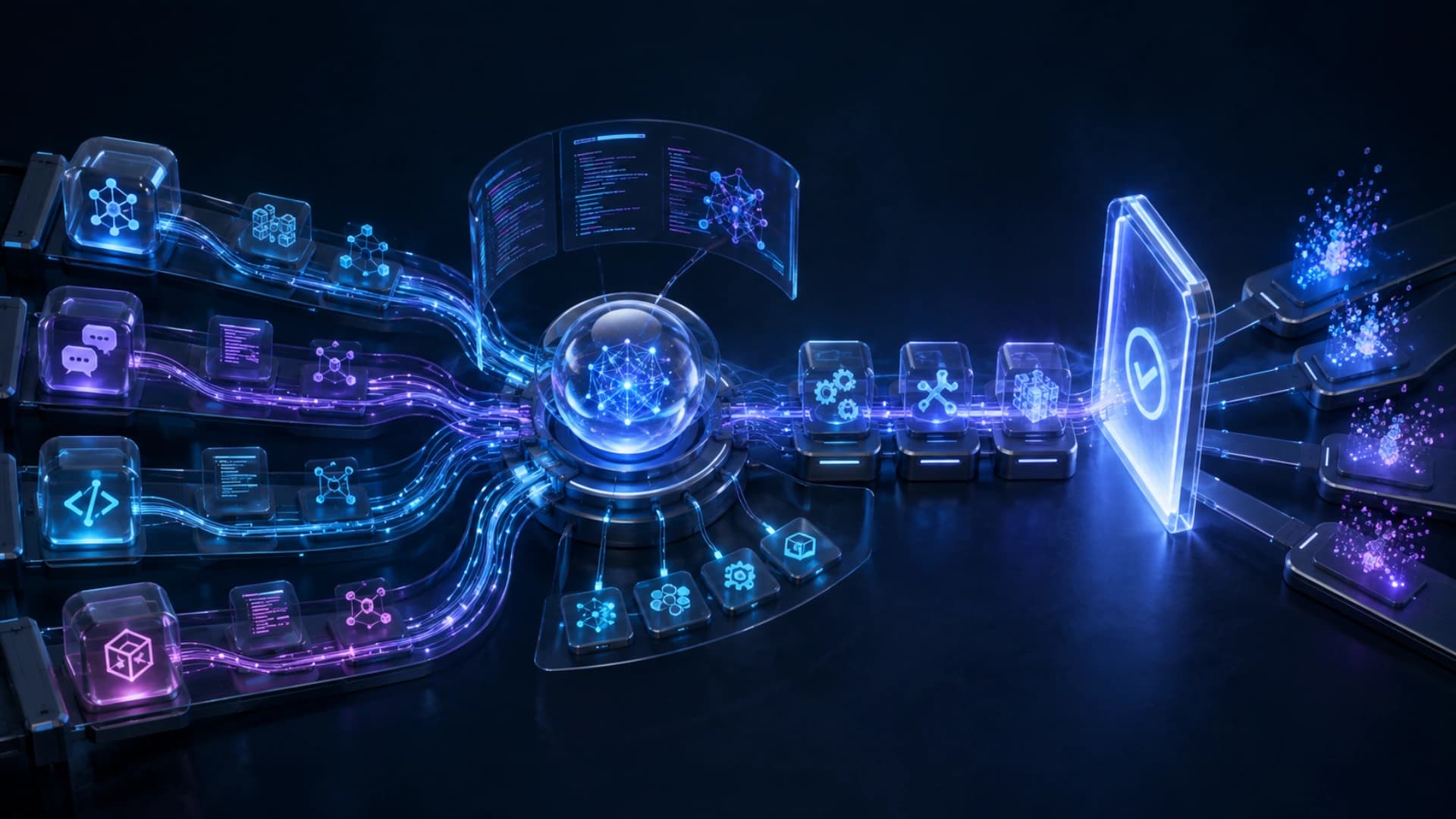

Microsoft's Build 2026 update for the Foundry agent platform is not about showing one impressive agent. It breaks production agent infrastructure into build, deploy, and operate layers. That framing is useful because once an agent leaves prototype stage, the hard problems are often tool integration, authentication, data grounding, session isolation, state, observability, and evaluation.
On the build layer, Microsoft Agent Framework combines the enterprise foundations of Semantic Kernel with AutoGen-style multi-agent orchestration. It includes skills, memory, middleware, Magentic-One, file system tools, memory tools, and a deep research agent. Foundry Toolkit for VS Code lets developers create, test, debug, inspect traces, connect to Toolboxes, and deploy to Foundry Agent Service from inside the IDE.
Tools are another central piece. Toolboxes in Foundry gives agents a single managed endpoint for different tool types, while Foundry handles authentication, lifecycle, and governance. Skills also become a project-scoped catalog discoverable as MCP resources. That means enterprises do not need every agent to rebuild the same tool and permission layer. They can turn tools into shared, governed infrastructure.
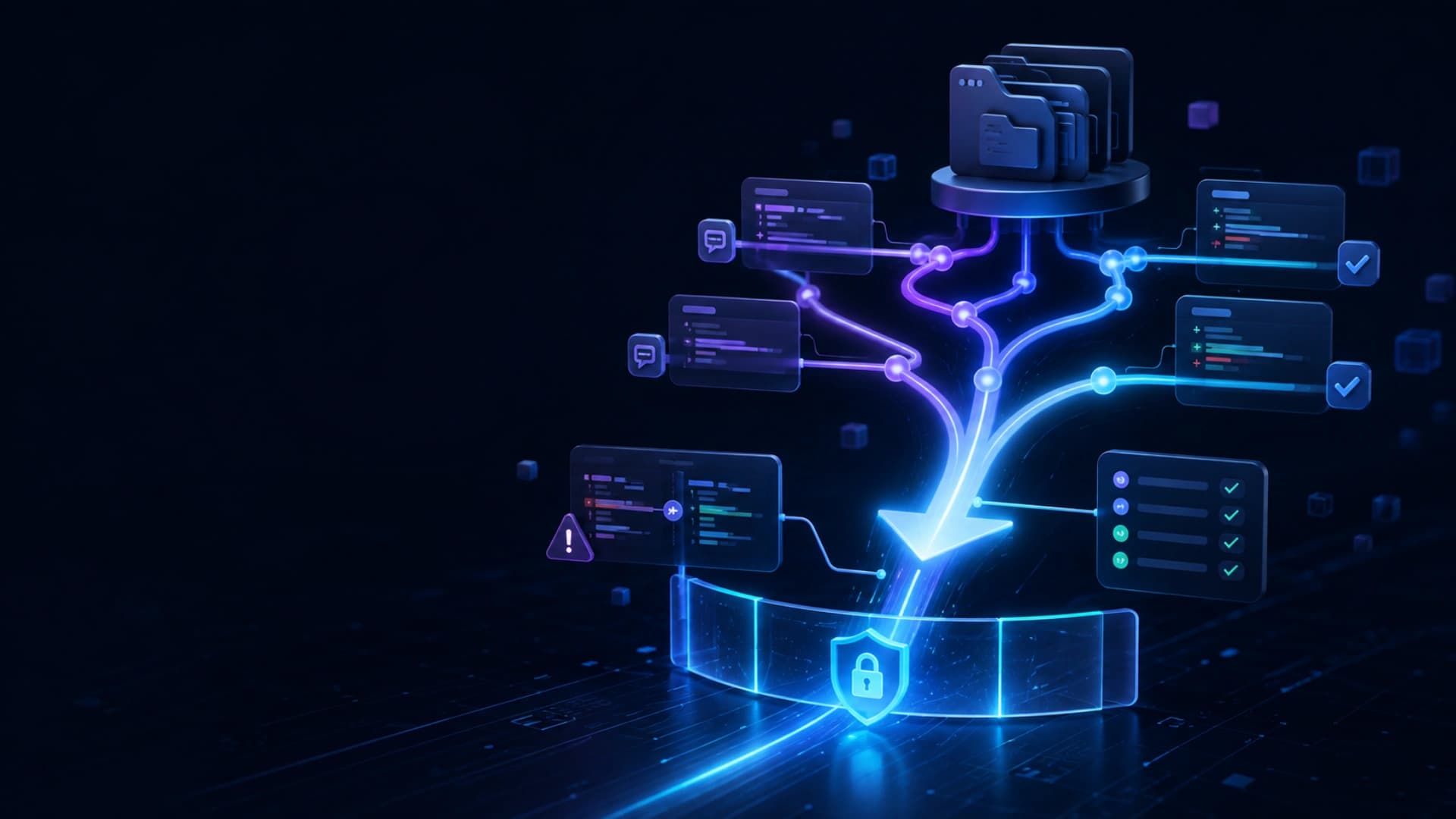
Memory also moves beyond chat history. Foundry Agent Service adds procedural memory in public preview so agents learn how to do work, not only what was said. Microsoft's example is a PR review agent that is taught once to check test coverage, then new dependencies, then breaking API changes. Later, it can follow the same procedure on other pull requests without being re-instructed.
On the deploy and operate layers, hosted agents provide a framework-agnostic runtime where each session gets its own sandbox, compute, memory, and filesystem. They also support long-running agents, routines, and publishing into Teams and Microsoft 365 Copilot. Tracing and evaluation connect model calls, tool invocations, sub-agent hops, and handoffs into one OpenTelemetry pipeline so regressions can be traced back to production evidence.
The broader signal is that agent platform competition is shifting from who has the strongest model to who can put agents into enterprise workflows safely, observably, evaluably, and deployably. For businesses, that matters more than a single demo because real agent ROI comes from repeatable, governable systems that can improve over time.