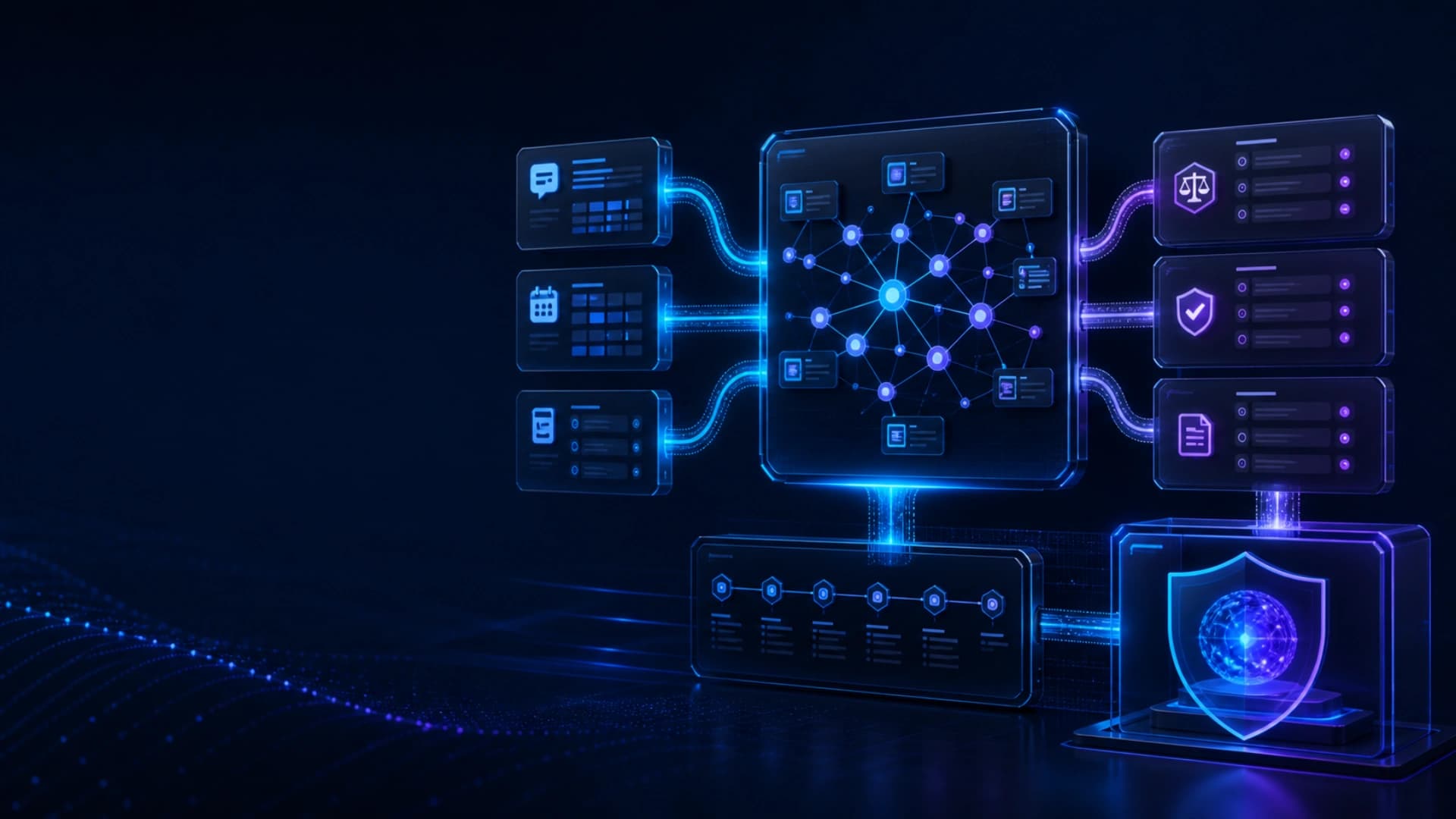

Microsoft Security's May 21, 2026 update makes the direction of travel very clear: once AI agents become part of the work system, security and governance can no longer focus on the model alone. The post places Windows 365 for Agents, Microsoft Agent 365, Microsoft Purview, and visibility into third-party tools in a single frame, showing that Microsoft is turning agent governance into a deployable enterprise capability.
The most important detail is that Windows 365 for Agents is expanding in public preview. Microsoft says it works with Agent 365 to provide a consistent and secure execution environment where agents can operate under controlled policies. The point is not just a feature. It is the combination of execution environment and authorization scope under one governance model. Once agents can act across tools, identities, and data sources, companies need more than a model. They need a policy layer.
Another notable signal is that Microsoft explicitly includes third-party AI tools such as Claude in its security visibility story. That means enterprises are no longer only managing their own agents. They also have to deal with interactions across vendors, platforms, and workflows. In large organizations, that is the realistic risk surface. The real exposure is rarely inside one product alone. It sits at the intersection of data, identity, permissions, and process.
This update also continues Microsoft's familiar pattern of connecting AI security, identity management, and data protection. If agents can touch internal systems, trigger actions, and call tools, front-end security by itself is not enough. Approval, visibility, asset mapping, and data protection all need to move together. That is exactly why an execution environment like Windows 365 for Agents exists.
For enterprise readers, the main takeaway is not the product name. It is that Microsoft is turning "secure agent operation" into a platform-level problem. Once agents enter production workflows, security teams need to ask not only whether there is a login, but what policies govern the agent, what data it can touch, whether it can execute across systems, and how to trace it when something goes wrong.