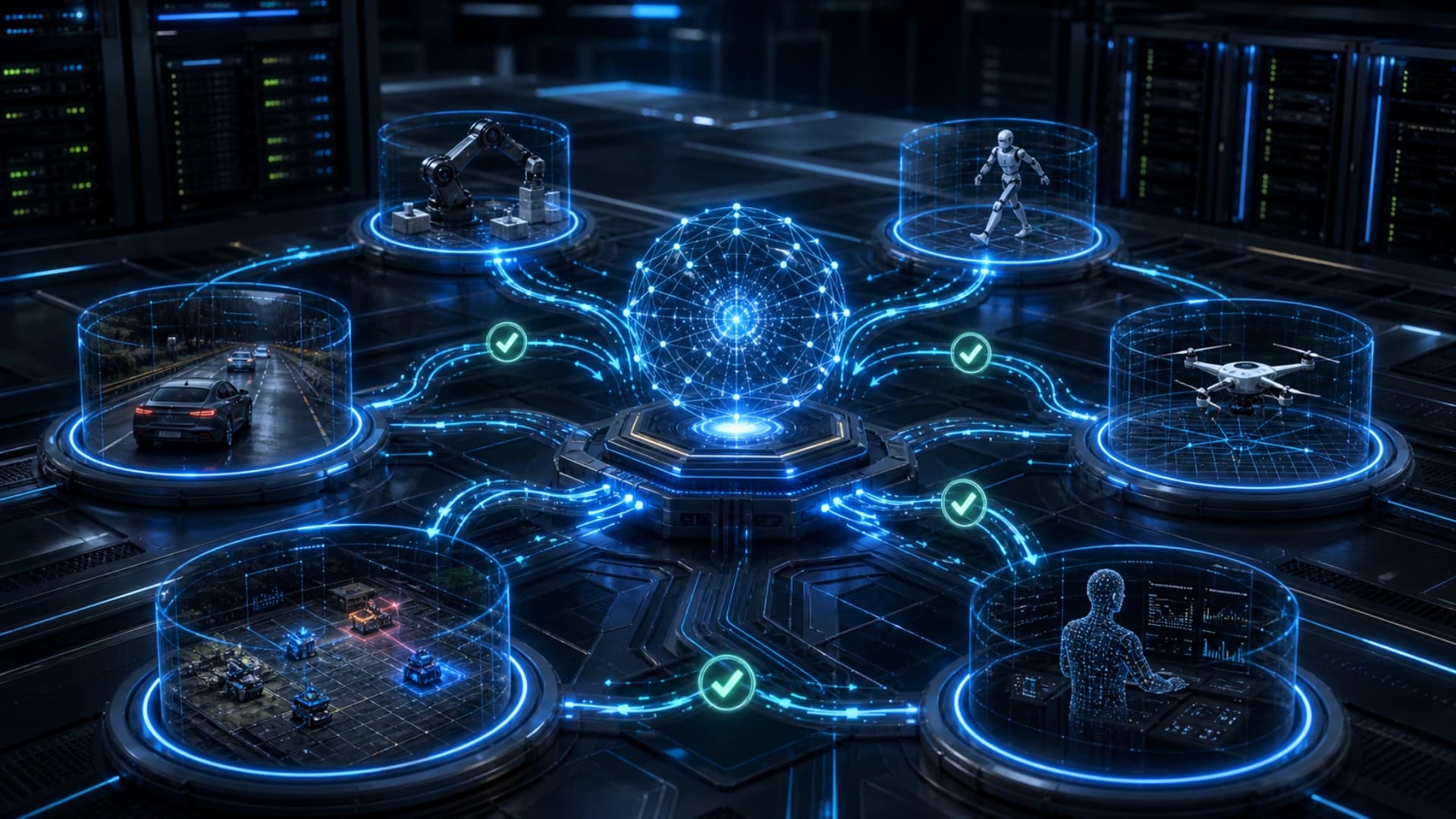
On May 13, 2026, NVIDIA announced an engineering-level collaboration with London AI lab Ineffable Intelligence to build reinforcement learning infrastructure. The signal is bigger than one lab partnership. It points to a next stage for agents: moving from models trained mainly on fixed datasets toward systems that learn through simulation, experience, and feedback.
NVIDIA describes reinforcement-learning agents as AI systems that learn by trial and error and can convert compute into new knowledge. Ineffable's background makes the signal more notable because the company was founded by AlphaGo architect David Silver, whose work has long been tied to reinforcement learning breakthroughs.
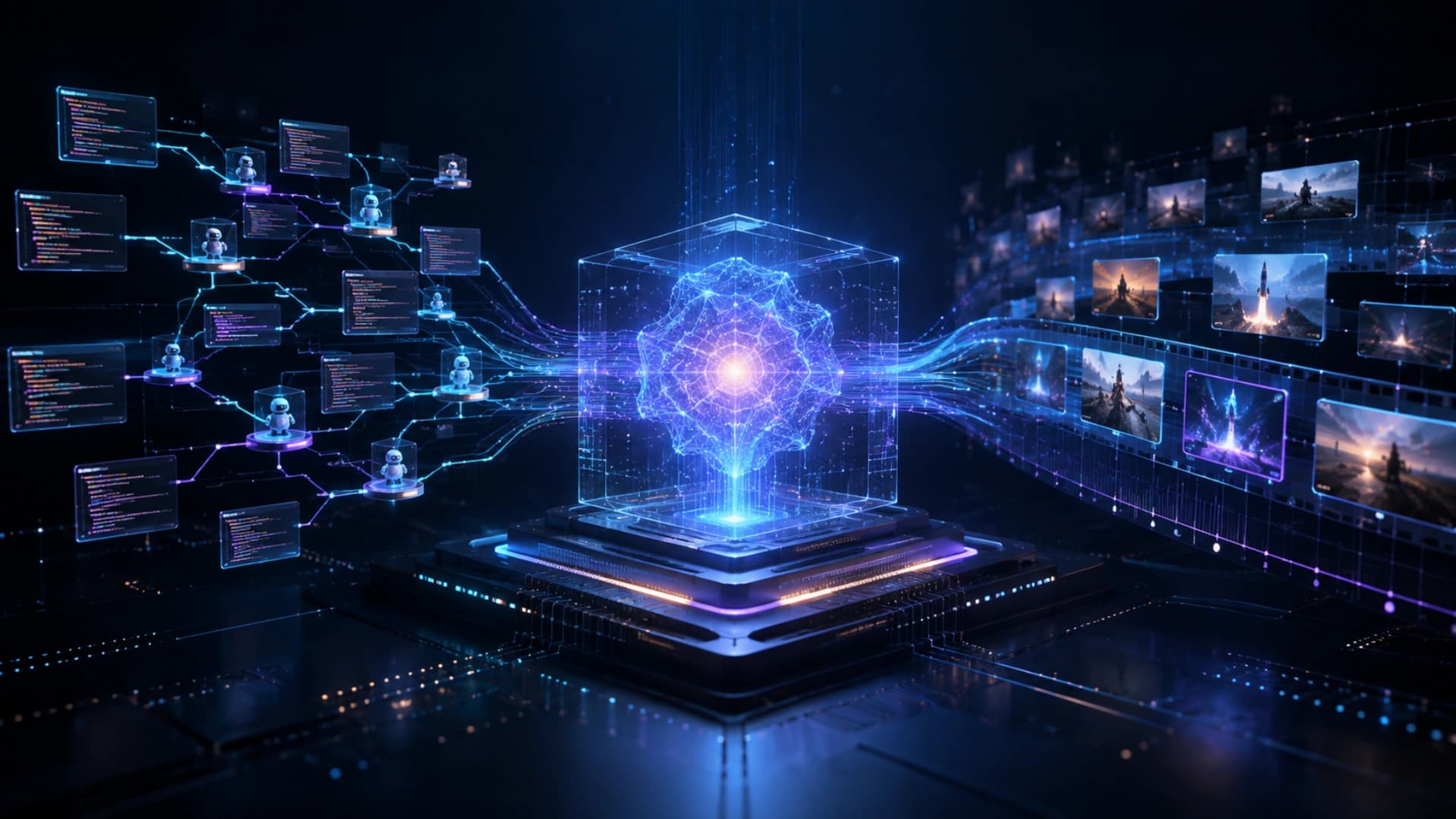
The technical focus is the training pipeline. In pretraining, a fixed body of human data flows through the system. In reinforcement learning, workloads generate data on the fly, which creates a different infrastructure problem around simulation, evaluation, orchestration, and compute. NVIDIA and Ineffable are starting on Grace Blackwell and will explore what the upcoming Vera Rubin platform needs to support.
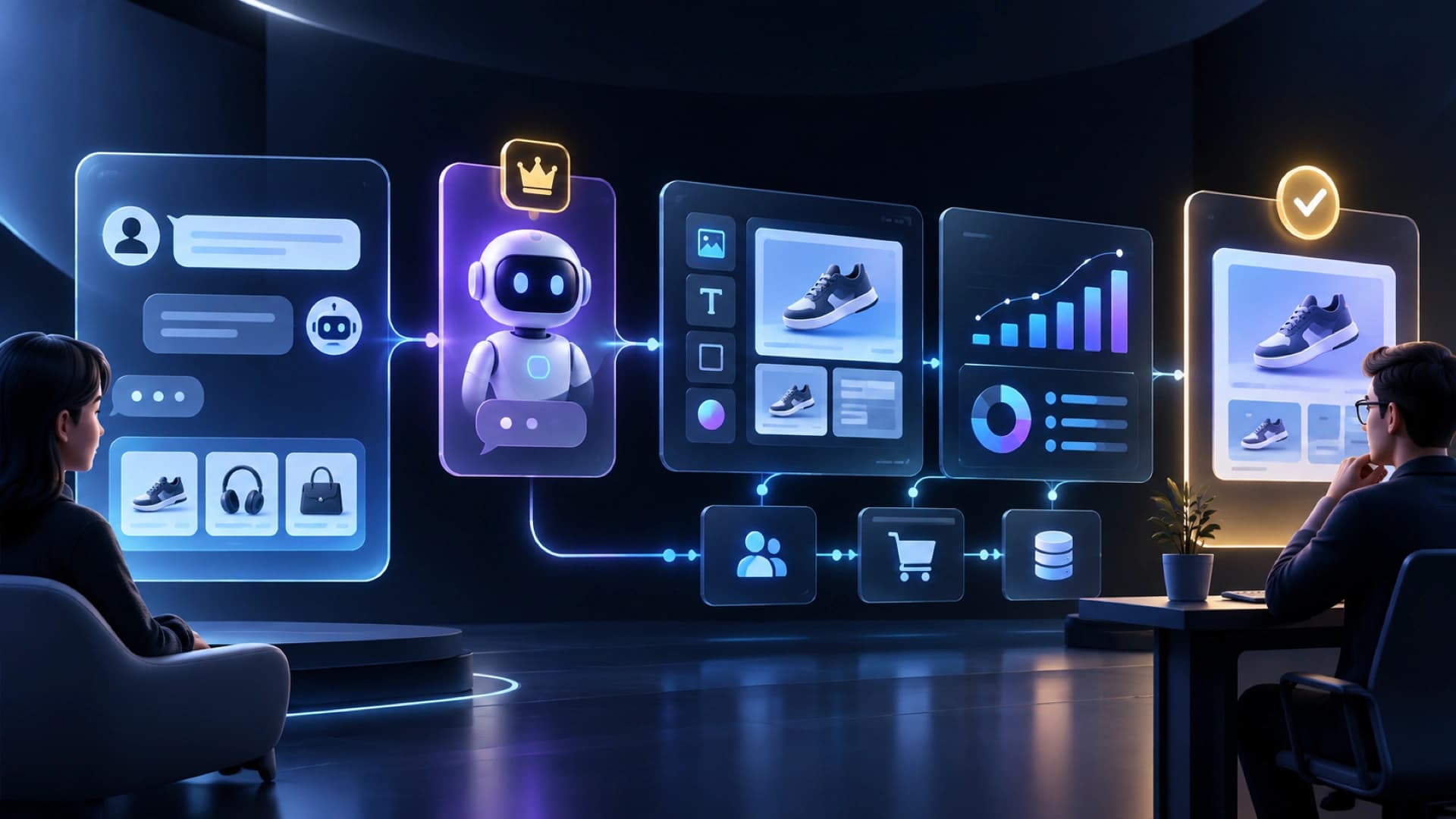
For enterprise AI agents, this matters because many current agents are still workflow wrappers. They connect tools, read data, and follow instructions, but they do not reliably improve from large volumes of task experience. As reinforcement learning infrastructure matures, agent value can shift from executing known steps toward learning better strategies inside controlled environments.
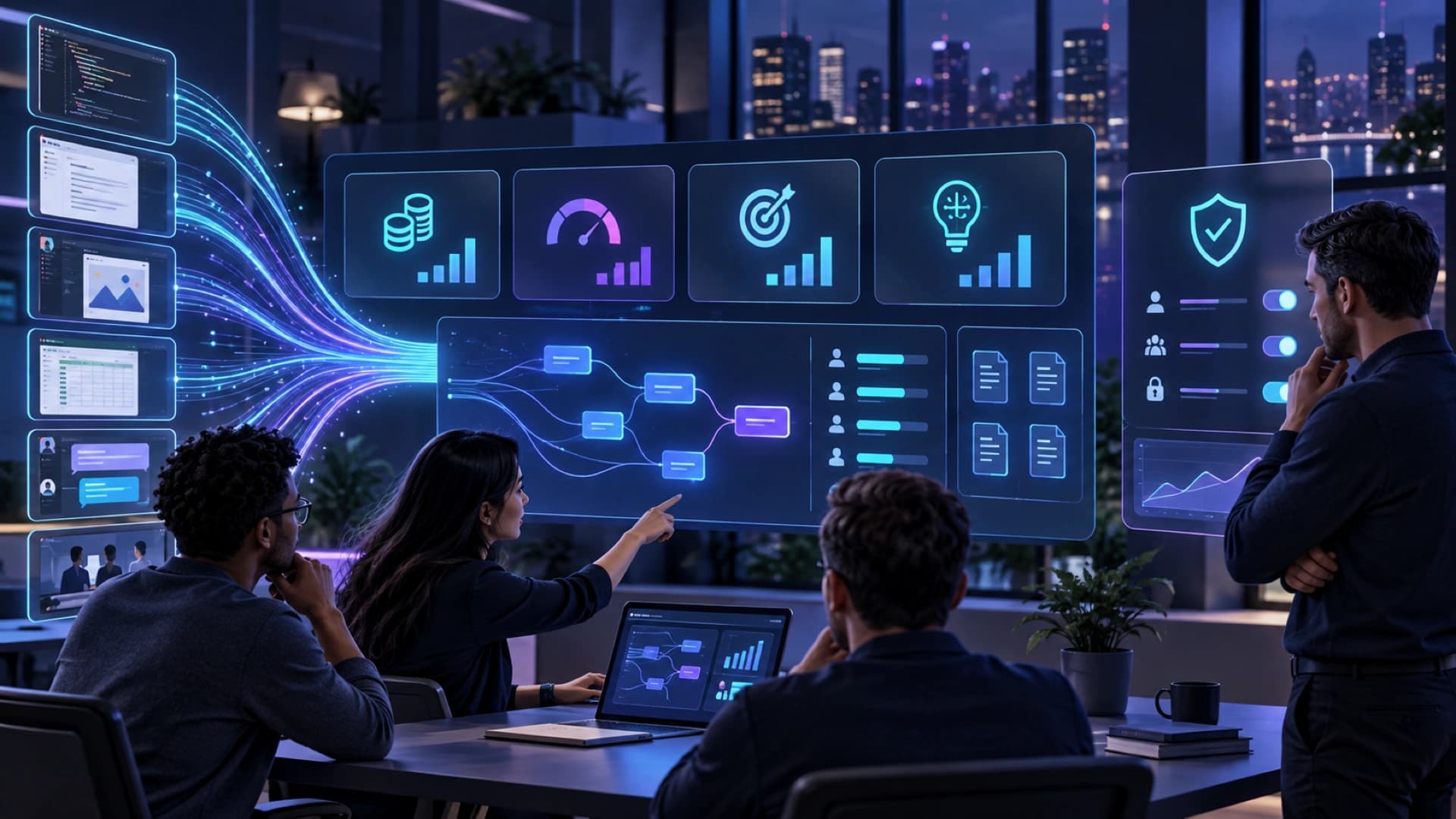
That does not mean businesses should hand every workflow to self-learning agents tomorrow. The practical takeaway is that future AI workflow design needs feedback loops. Lead classification, quoting, customer support, content review, and operations reporting will only become learnable systems if outcomes, exceptions, human edits, and approval reasons are captured clearly.
From a VMTS perspective, this is the next layer of enterprise automation. Websites, CRMs, knowledge bases, and agent orchestration should not only connect data. They should turn every task result and human correction into a traceable signal. Clean workflow telemetry built today is what gives companies the option to adopt stronger learning agents later.