NVIDIA's JetPack 7.2 technical post is about agentic AI moving from cloud and office software into the physical world. When agents enter robotics, industrial automation, vision systems, and edge AI devices, the question is not only whether the model is strong enough. It is whether the device can run reliably under tight memory, power, and latency constraints.
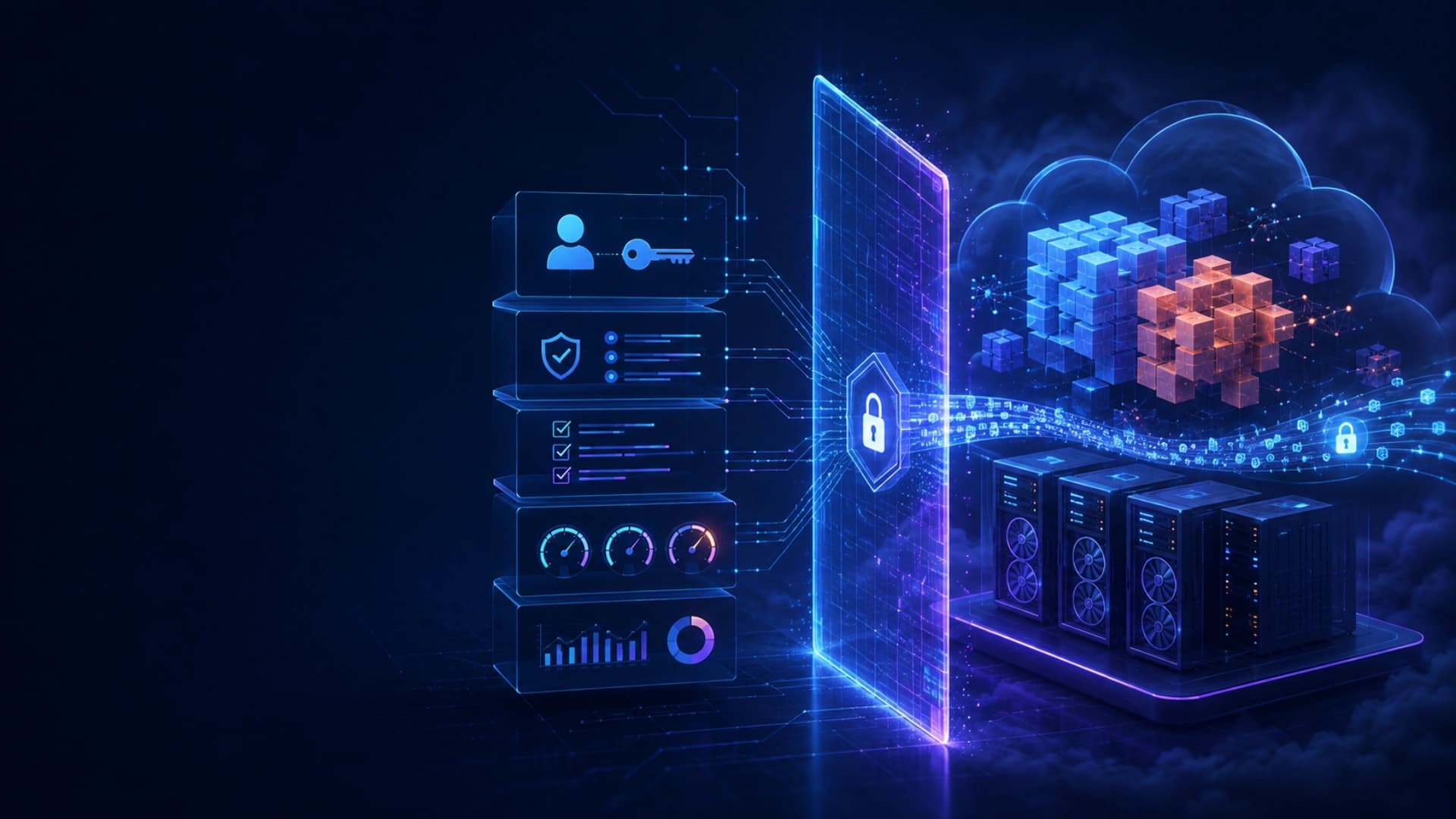
The first signal is that Jetson becomes ready for NemoClaw out of the box. NVIDIA says developers can deploy NemoClaw on Jetson with a single command, enabling agentic physical AI workflows with privacy and security controls. That makes edge agents look less like a demo and more like a preconfigured software stack.
The second important piece is Jetson agent skills. NVIDIA defines skills as repeatable, agent-executable instructions that describe which tools to call, what outputs to produce, and how to validate results. In the Jetson context, that means agents can help with Linux customization, memory optimization, model benchmarking, and deployment configuration. This turns a lot of edge-development setup work into a more automated workflow.
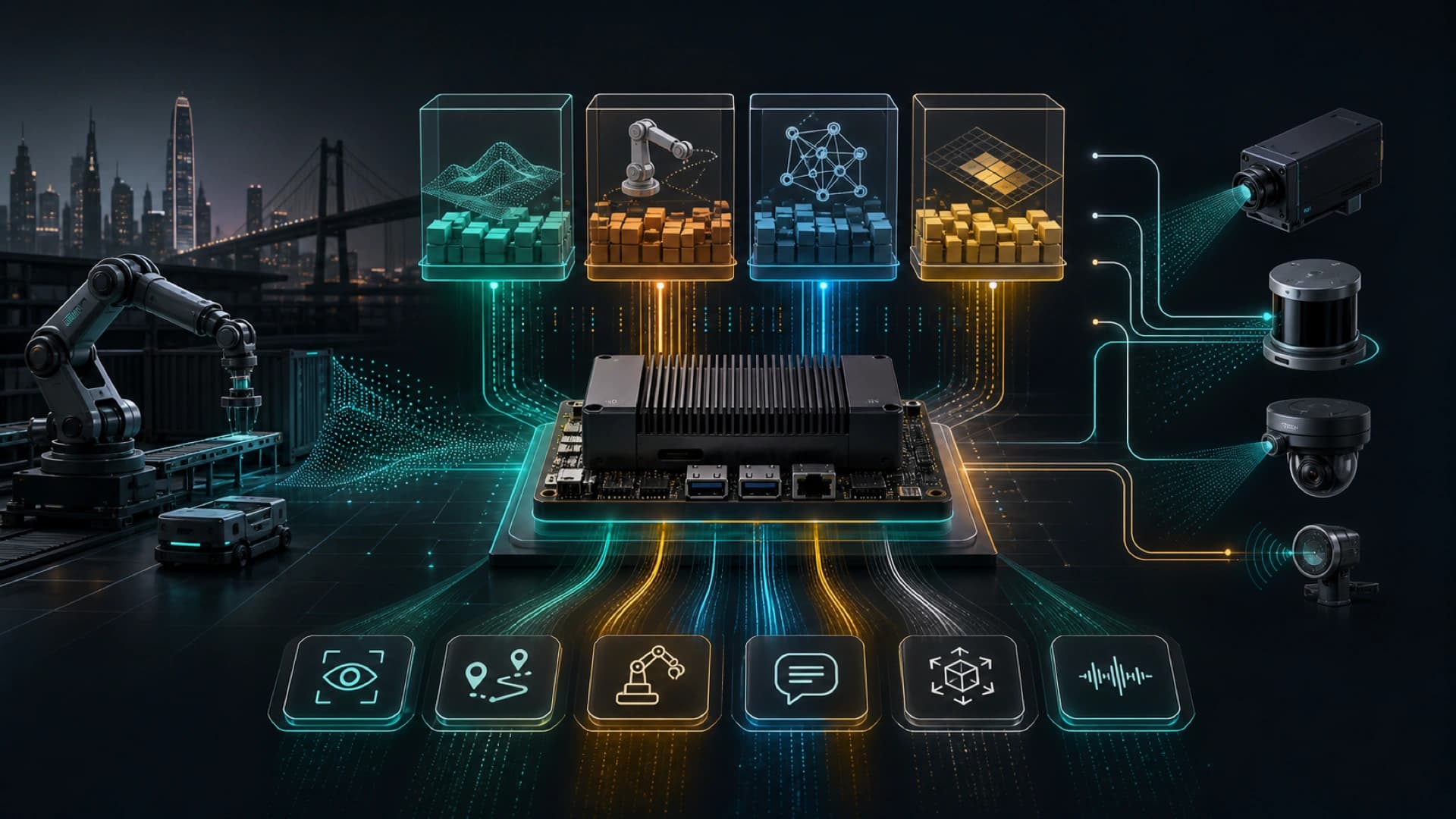
JetPack 7.2 also brings Multi-Instance GPU support to Jetson Thor for deterministic multiworkload execution. That matters for real-time robotics and industrial automation because one edge device may need to run perception, planning, a language interface, and a safety monitor at the same time. Isolated and predictable workloads are closer to production requirements than raw throughput alone.
Another practical update is Super Mode for Jetson AGX Orin 32 GB. NVIDIA says it raises AI performance from 200 TOPS to 241 TOPS and brings the lower-cost module closer to the flagship Orin 64 GB. That shows edge agentic AI competition is not only about model size. It is also about extracting better price-performance from existing hardware.
Overall, JetPack 7.2 points to a layered agent infrastructure model. Cloud systems handle large models and long-chain tasks, while edge devices handle low-latency perception, control, and safety isolation close to the real world. As agentic AI enters physical AI, deployment, memory, operating systems, GPU isolation, and validation workflows all become part of the product.