
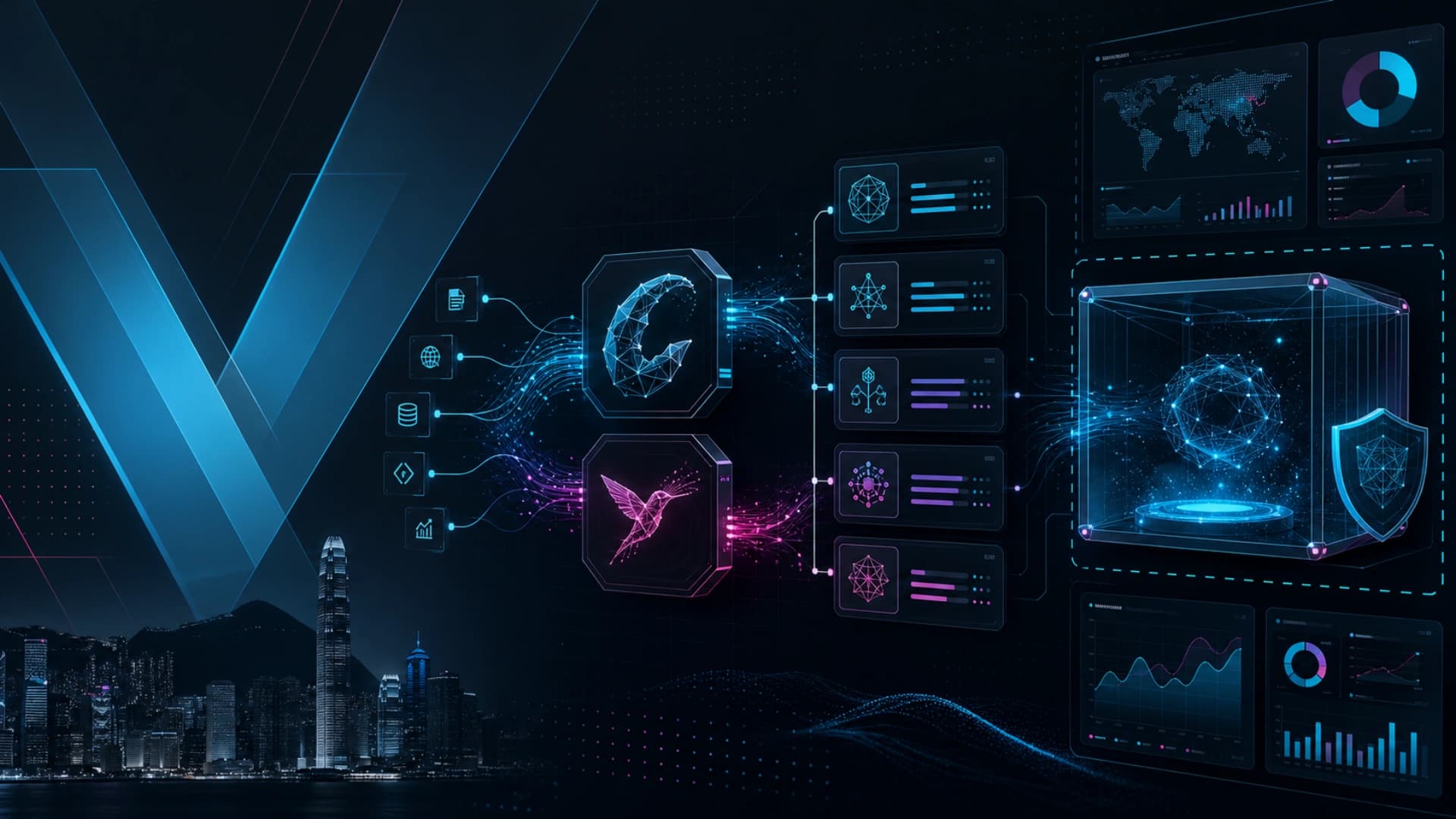
NVIDIA's NemoClaw and Hermes Agent tutorial is useful because it does not just show another agent demo. It puts the harder enterprise question in front: how should an agent be designed when it needs to work with both internal data and public sources? The example focuses on product research across Outlook, Slack, GitHub, and NVIDIA developer forums.
The architecture has three layers. NVIDIA Nemotron 3 Super handles reasoning and generation. Hermes Agent handles the harness, skills, sessions, memory, and bridges. NVIDIA OpenShell provides runtime policy, filesystem control, network control, and credential brokering. That separation matters because security is not left to a prompt. It is enforced by the runtime around the agent.
The OpenShell sandbox is the most important part. Hermes Agent does not directly see Slack or Outlook tokens. Authentication is handled by the sandbox proxy as requests leave the sandbox. The agent can read sensitive internal messages, but it cannot directly reach the public internet. GitHub and forum data are brought in through a separate ETL process and exposed as read-only data. Even if the agent receives a bad instruction, it cannot freely post internal information to external sites.
The second important idea is self-evolution. A user can teach the agent a recurring report format through conversation. Hermes can recognize the pattern and write it as a SKILL.md file. Later, a new conversation or a coworker's email can trigger the same format without restating every instruction. The snapshot process preserves skills, memories, sessions, and scheduled jobs while filtering files such as .env, token, and secret patterns.
That design is closer to what enterprises need than generic long memory. A useful agent needs portable work formats, auditable execution traces, explicit network allowlists, rebuildable sandboxes, and tool connections that do not expose credentials. For sales research, customer support, engineering triage, competitive analysis, and internal knowledge discovery, those operating controls matter more than whether one response sounds polished.
NVIDIA's signal is clear: agent capability is moving from prompt engineering to runtime engineering. Once companies place agents inside real data and real workflows, the goal is not to let the agent do anything. The goal is to let it improve repetitive research and synthesis work inside boundaries that are verifiable, restrictive, and recoverable.