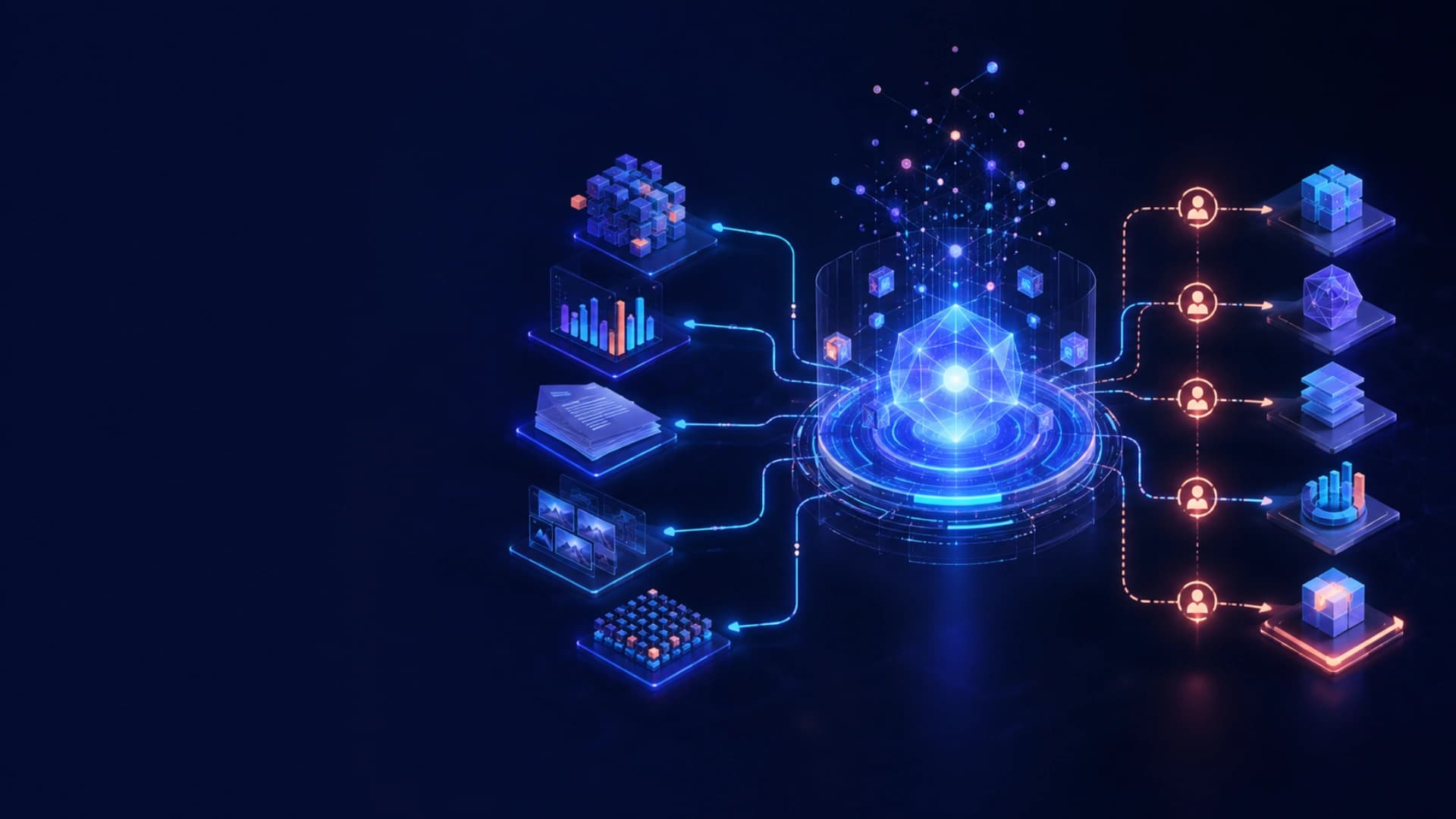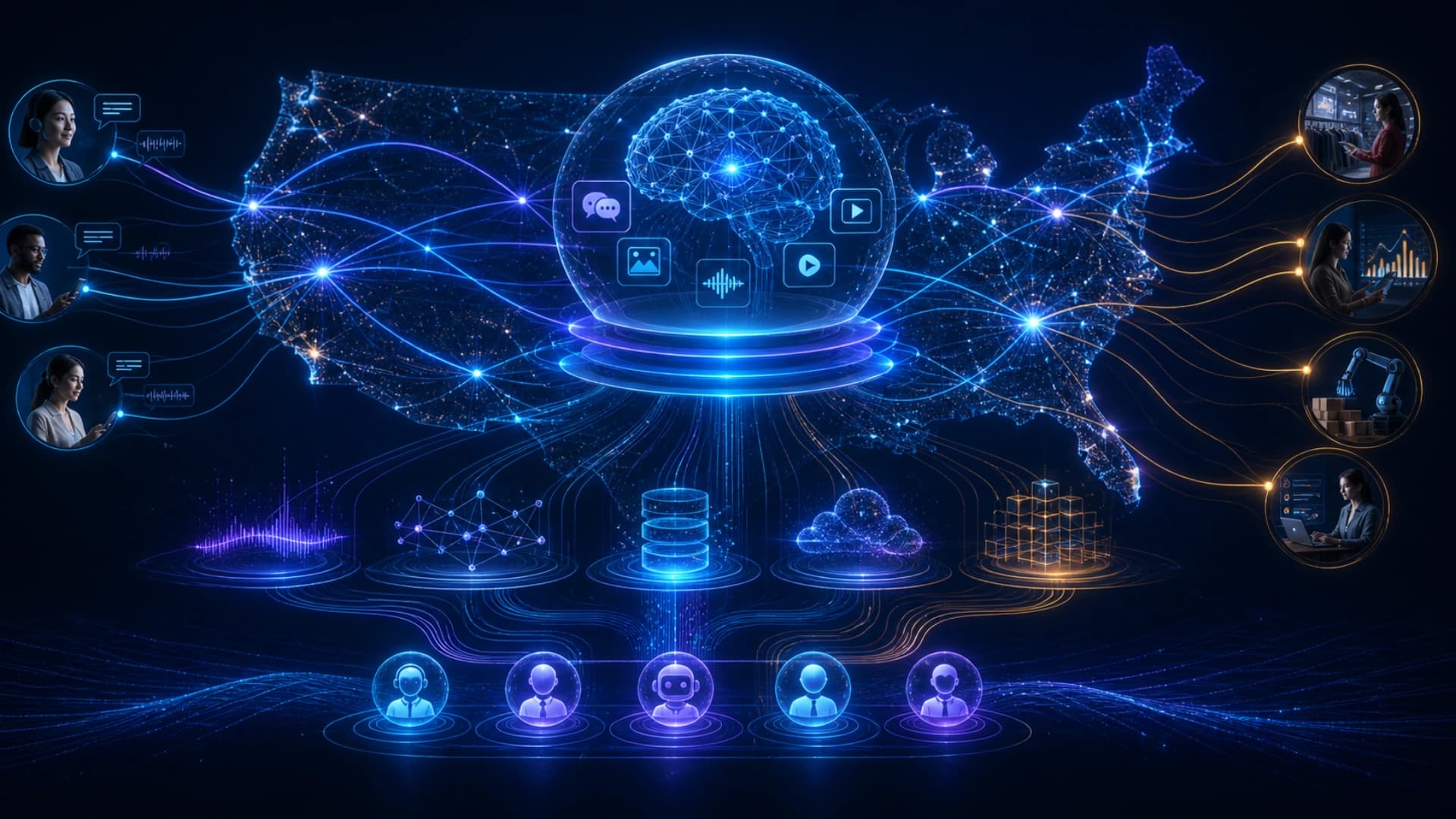
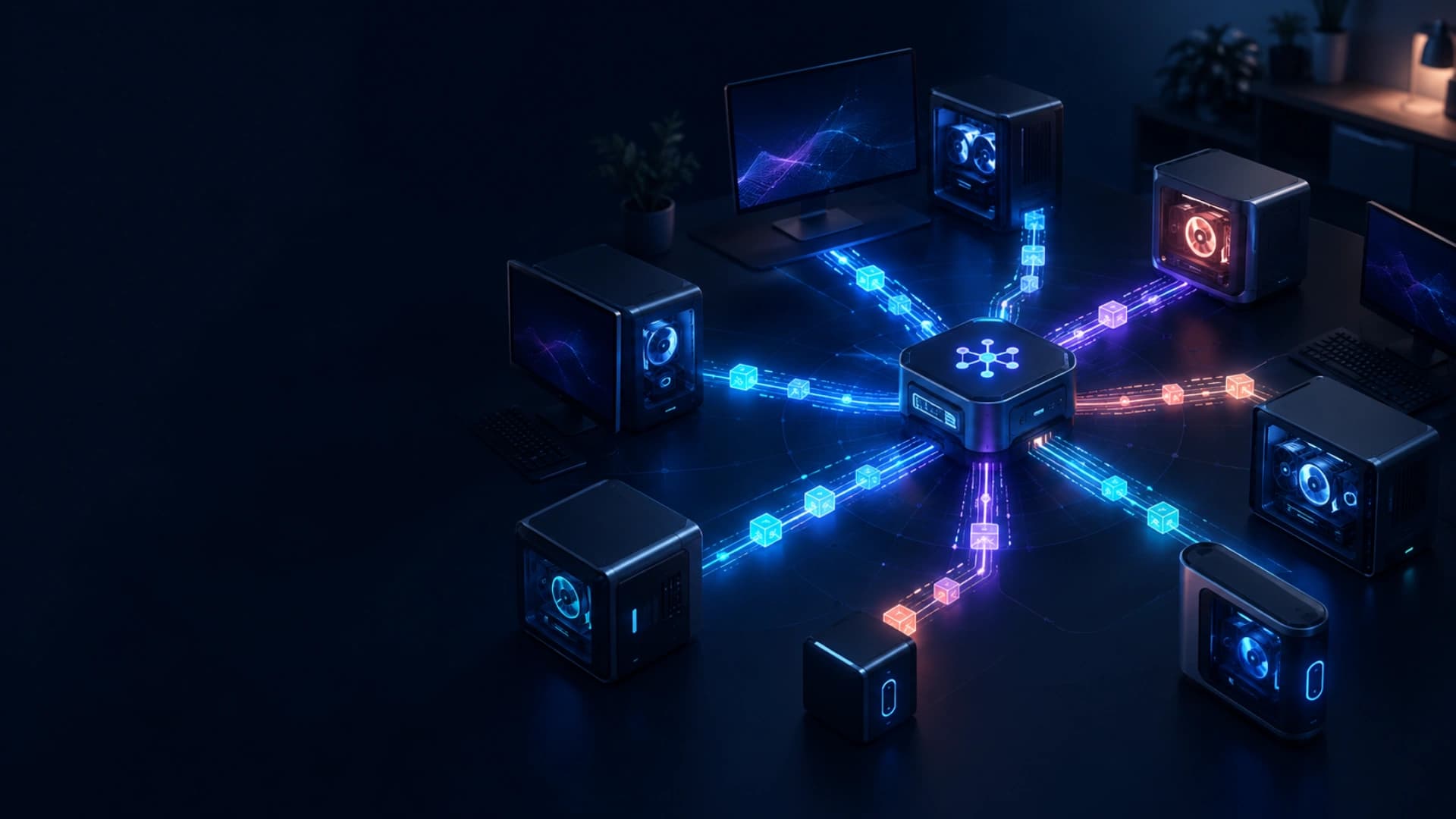
On September 3, 2026, NVIDIA introduced Personal AI Router, or PAIR, shifting a local-agent bottleneck from whether one computer is fast enough to whether several existing computers can handle independent work together. PAIR is free open-source software that presents a local inference entry point and routes each request to a suitable node based on node state, engines, and available models.
The target is multi-agent or multi-subtask work. When an agent breaks research, document handling, code checks, or personal organization into independent jobs, sending every request to one GPU can turn parallelism into a queue. PAIR does not combine GPUs into one larger virtual GPU, and it does not split a single request across machines. It routes separate jobs to separate nodes so existing models and hardware can work in parallel.
NVIDIA says PAIR works with Ollama and LM Studio without requiring changes to an agent harness. Applications keep using a local endpoint while the router decides which node serves the request. NVIDIA's technical article shows a five-subagent comparison in which a three-device PAIR cluster completed a demonstration in 8 minutes 48 seconds versus 18 minutes on one RTX Spark laptop. That is NVIDIA demonstration data, not a universal result for every model, network, or workload.
The beta supports Windows, macOS, and Linux, with hardware including GeForce RTX 20 Series and newer, RTX PRO workstations, DGX Spark, and Apple M4 or newer Apple Silicon. The mix is significant. A local agent's compute layer no longer has to be one brand or one operating system; it can use parallel capacity from machines already present in a home or office.
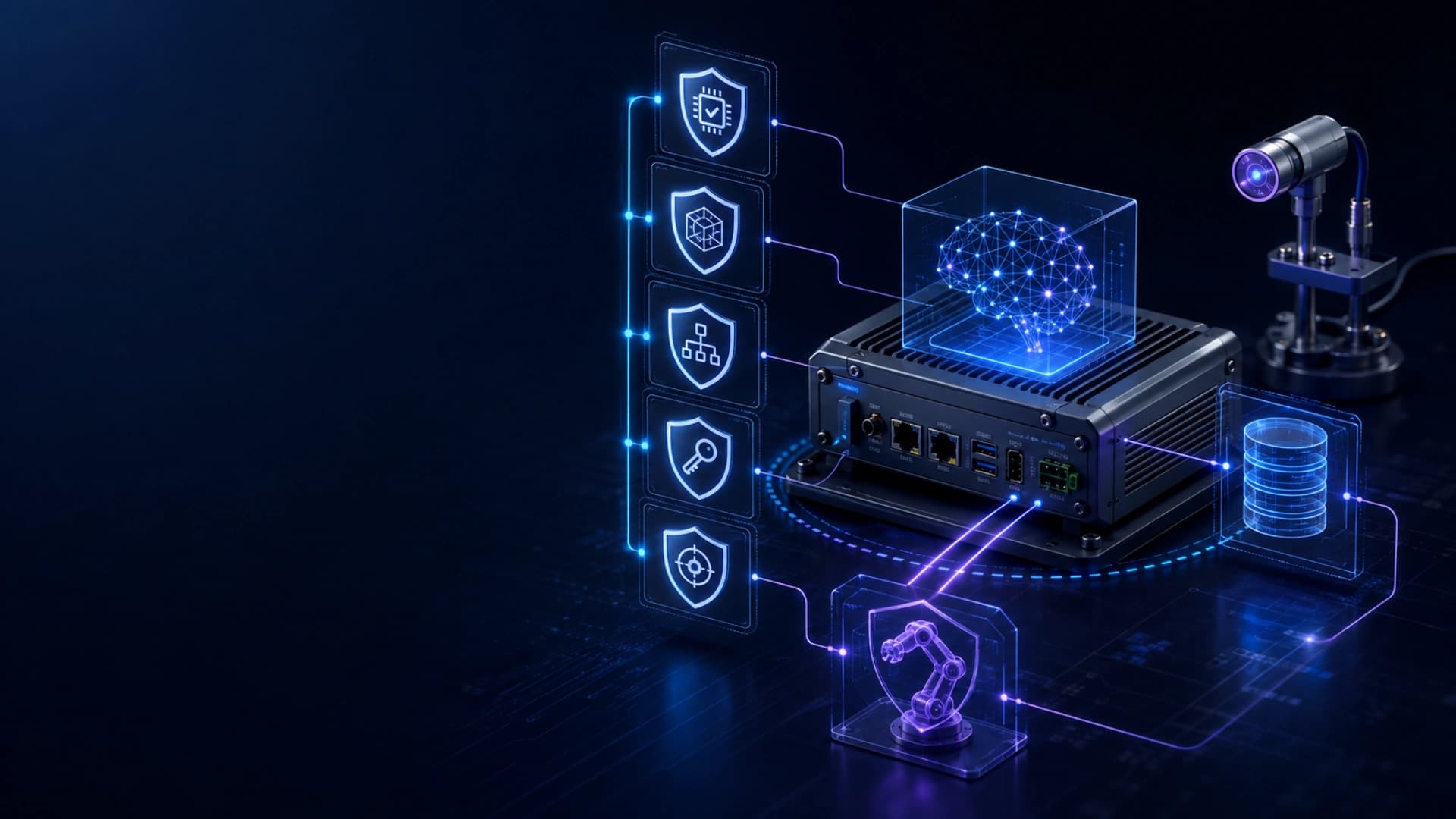
Privacy is a central part of the local-inference pitch. NVIDIA says prompts, files, and agent context can remain on the local network. Its documentation says nodes establish trust through pairing and route between paired nodes with mutual TLS, while also warning that the convenience PIN is not strong authentication. Local does not automatically mean safe: network segmentation, node inventory, model provenance, operating-system permissions, and admission rules still need to be explicit.
For a company or small team, PAIR's practical value is not necessarily a benchmark race. It can make an internal workflow more usable by running low-sensitivity document handling, coding drafts, classification, and search in parallel. Sensitive workloads need a consistent policy across every node's disk, logs, models, and update state. Routing records are also useful for debugging, cost estimation, and reproducing an output.
The signal from PAIR is that personal and small-team local AI is moving from running one model on one PC toward orchestrating an inference fleet from existing devices. That lowers the barrier to using idle hardware, but it also brings distributed-systems questions into the agent layer: which nodes are trusted, whether models match, how work recovers, and whether data really stays inside the intended boundary.