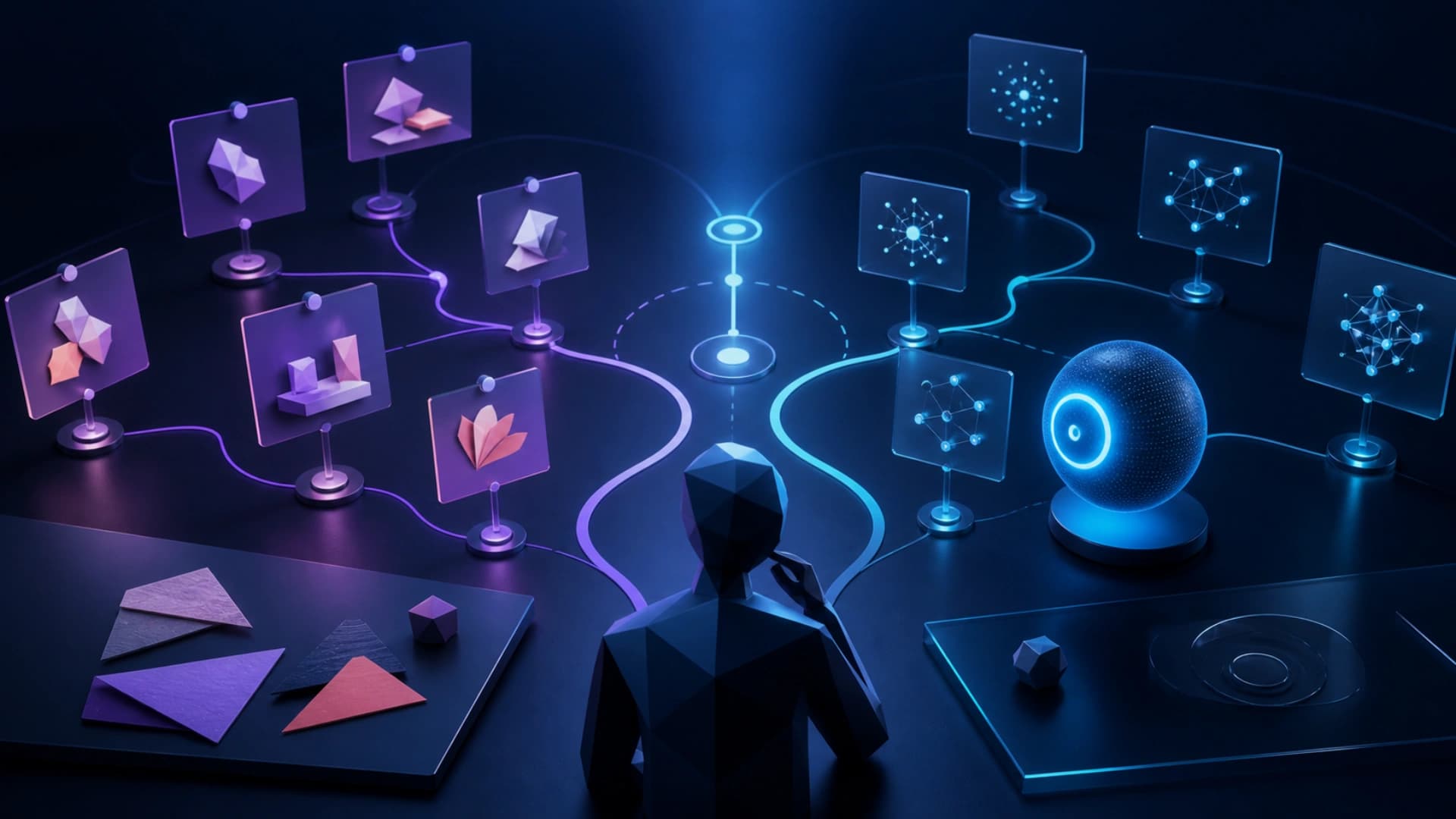

OpenAI previewed GPT-5.6 Sol on June 27, 2026, describing it as a next-generation model. The important signal is not a single chat feature. It is that stronger long-horizon reasoning, coding-agent capabilities, cybersecurity use cases, and safety evaluation are being placed into the same release cycle.
The larger point behind GPT-5.6 Sol is that model capability and deployment responsibility are becoming harder to separate. Once models are used for software engineering, vulnerability analysis, research work, and multi-step agent tasks, better answers are not enough. The model has to maintain task state across longer contexts and operate inside clearer boundaries for higher-risk workflows.
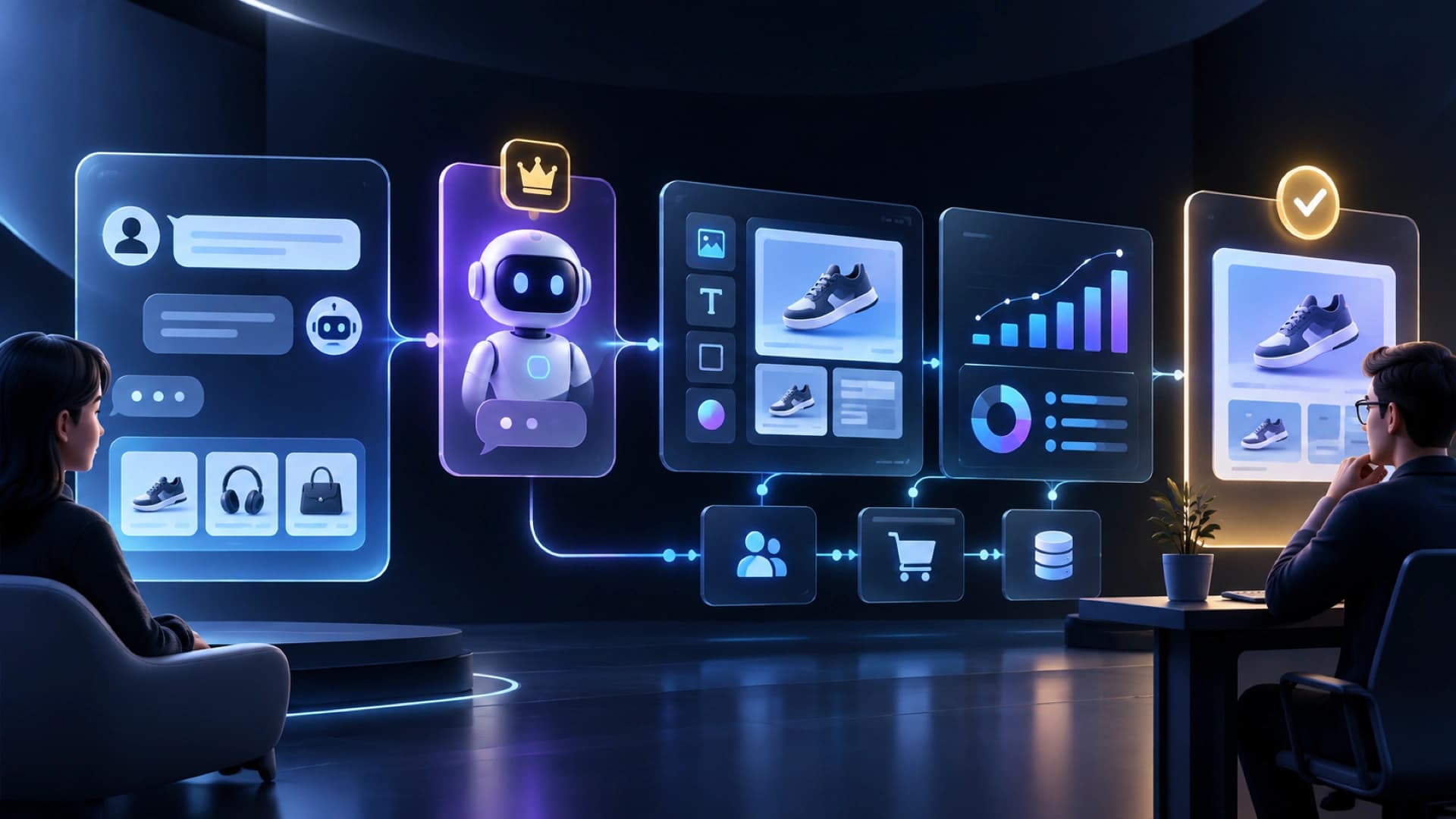
For developers, agentic coding is the most practical area to watch. AI coding workflows have already moved beyond editor autocomplete into cloud tasks, pull requests, code review, CLI surfaces, and issue trackers. If stronger models can reliably handle larger changes, test feedback, and cross-file reasoning, coding agents can move from assistance toward delegated engineering work.
Cybersecurity is another important part of the preview. High-capability models can help defenders with code review, threat modeling, incident analysis, and patch suggestions. The same class of capability can also be misused. OpenAI's preview framing and staged availability show that frontier model launches are now as much about risk management as product rollout.
It is also notable that OpenAI is not positioning Sol only as a smarter chat model. It looks more like a foundation for complex workflows: longer task chains, tool collaboration, higher accuracy requirements, and more human approval points. That aligns with the wider direction of AI agents, where the value is completing bounded work under clear constraints rather than only generating content.
For enterprise and development teams, the lesson is that model choice is becoming a systems-design decision. Teams need to weigh capability, cost, data boundaries, auditability, tool permissions, fallback behavior, and human review. The more capable the model, the more important the surrounding workflow and responsibility chain become.
The most important part of this preview is not one benchmark. It is that OpenAI is testing next-generation models inside higher-responsibility agent workflows. As models move into coding, security, and long-running tasks, the real competition will be whether capability, safety, and governance can hold together.