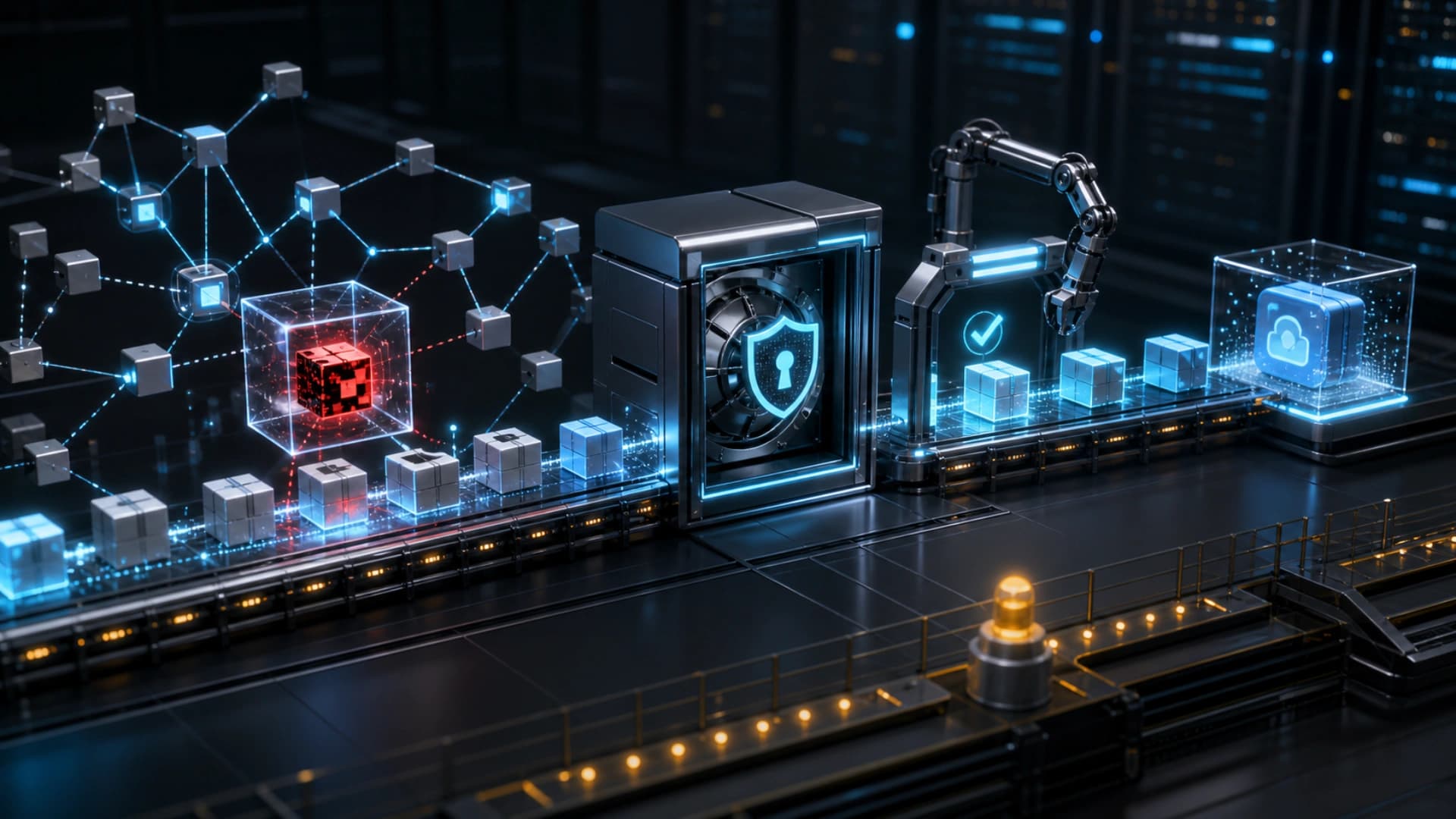
On May 13, 2026, OpenAI published a security update responding to the TanStack npm supply-chain attack. The incident matters for AI teams because it is not a normal product vulnerability. It touches the fragile layer under modern developer workflows: open-source dependencies, package managers, CI/CD, signing certificates, and developer devices.
OpenAI says TanStack was compromised on May 11, 2026 UTC as part of a broader software supply-chain attack known as Mini Shai-Hulud. Two employee devices in OpenAI's corporate environment were affected, and the company observed activity consistent with the malware's publicly described behavior, including unauthorized access and credential-focused exfiltration.
OpenAI also says it found no evidence that user data was accessed, production systems or intellectual property were compromised, or OpenAI software was altered. The affected scope involved a limited set of internal source code repositories accessible to the two employees, and only limited credential material was successfully exfiltrated. OpenAI says it isolated impacted systems and identities, revoked sessions, rotated credentials across affected repositories, and temporarily restricted code-deployment workflows.
The most visible impact is certificate rotation. Because the impacted repositories included signing certificates for OpenAI products, the company is re-signing its apps and requiring macOS users to update ChatGPT Desktop, Codex App, Codex CLI, and Atlas by June 12, 2026. Windows and iOS users do not need to take action.
OpenAI says it has coordinated with platform providers to block new notarizations using the old certificate material and reviewed previous notarizations for unexpected software signing. It says it found no evidence that released software was modified without authorization. After the old certificate is fully revoked on June 12, macOS security protections will block new downloads and launches of apps signed with that previous certificate.
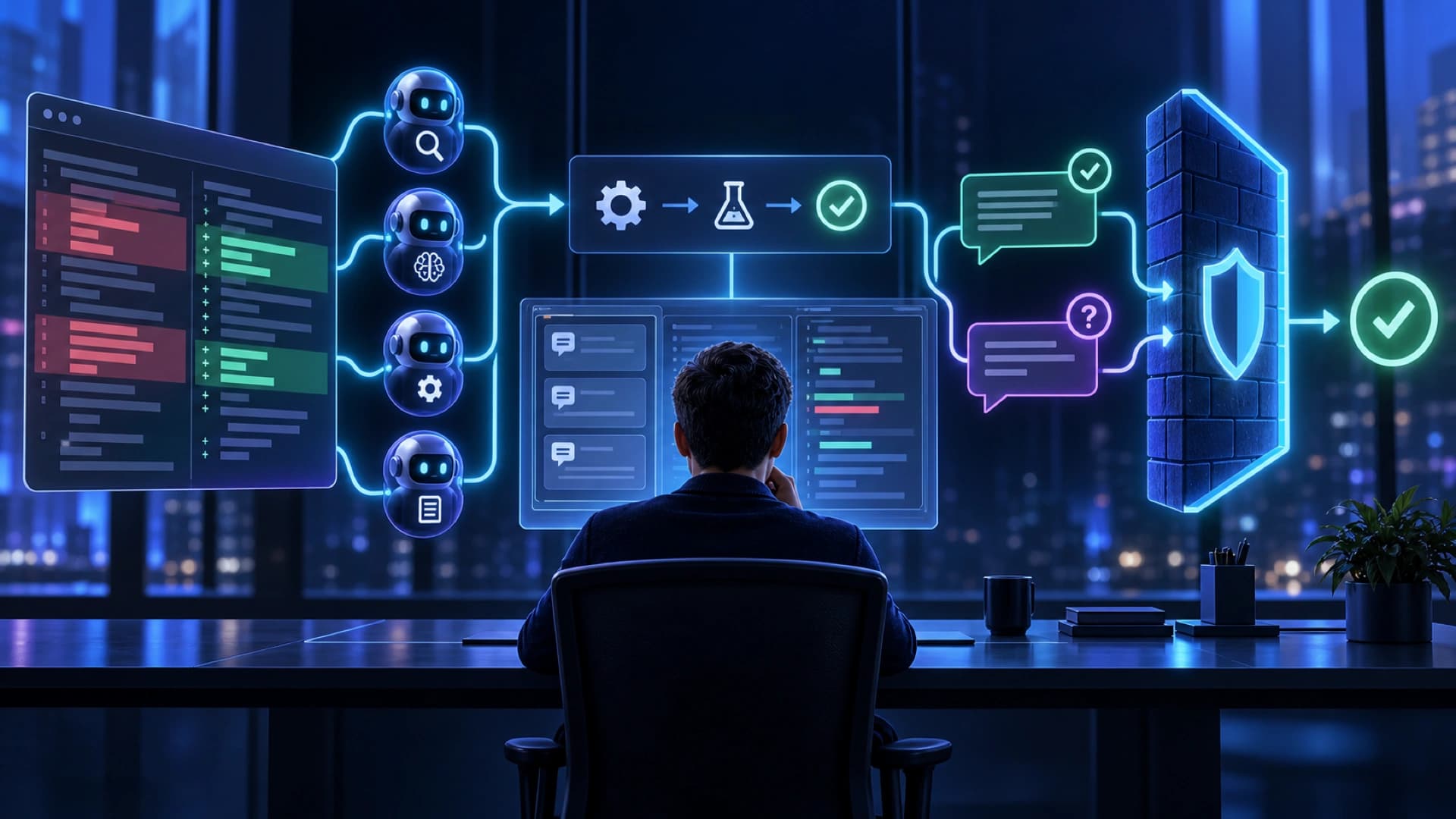
The incident is especially relevant to AI agents and developer tooling. OpenAI, GitHub, Anthropic, and others are pushing coding agents toward longer-running tasks, more automation, and deeper repository access. When agents can read repositories, run commands, connect to remote environments, and participate in CI workflows, supply-chain security becomes a core requirement of the agent workflow rather than background work for a security team.
OpenAI says it had accelerated several controls after an earlier Axios incident, including hardening sensitive credential material in its CI/CD pipeline, deploying package manager configurations with controls such as minimumReleaseAge, and adding security software to validate package provenance. The two affected devices had not yet received the updated configurations, showing how phased rollout gaps can be magnified by ecosystem attacks.
The larger lesson is that modern software and AI tooling depend on deeply connected open-source libraries, package managers, and continuous deployment infrastructure. Attackers do not need to compromise every company directly if they can poison an upstream dependency. For teams adopting AI coding agents or automated developer workflows, dependency provenance, credential isolation, signed releases, least privilege, and human approval gates are now part of delivery capability.