On July 22, 2026, Alibaba Cloud announced Qwen-Image-3.0, which it describes as the third-generation foundational image model in the Qwen-Image series. The release shifts the emphasis from attractive pictures alone toward content density, fine detail, and understanding of layouts and world knowledge, with the goal of making generated images more useful in production work.
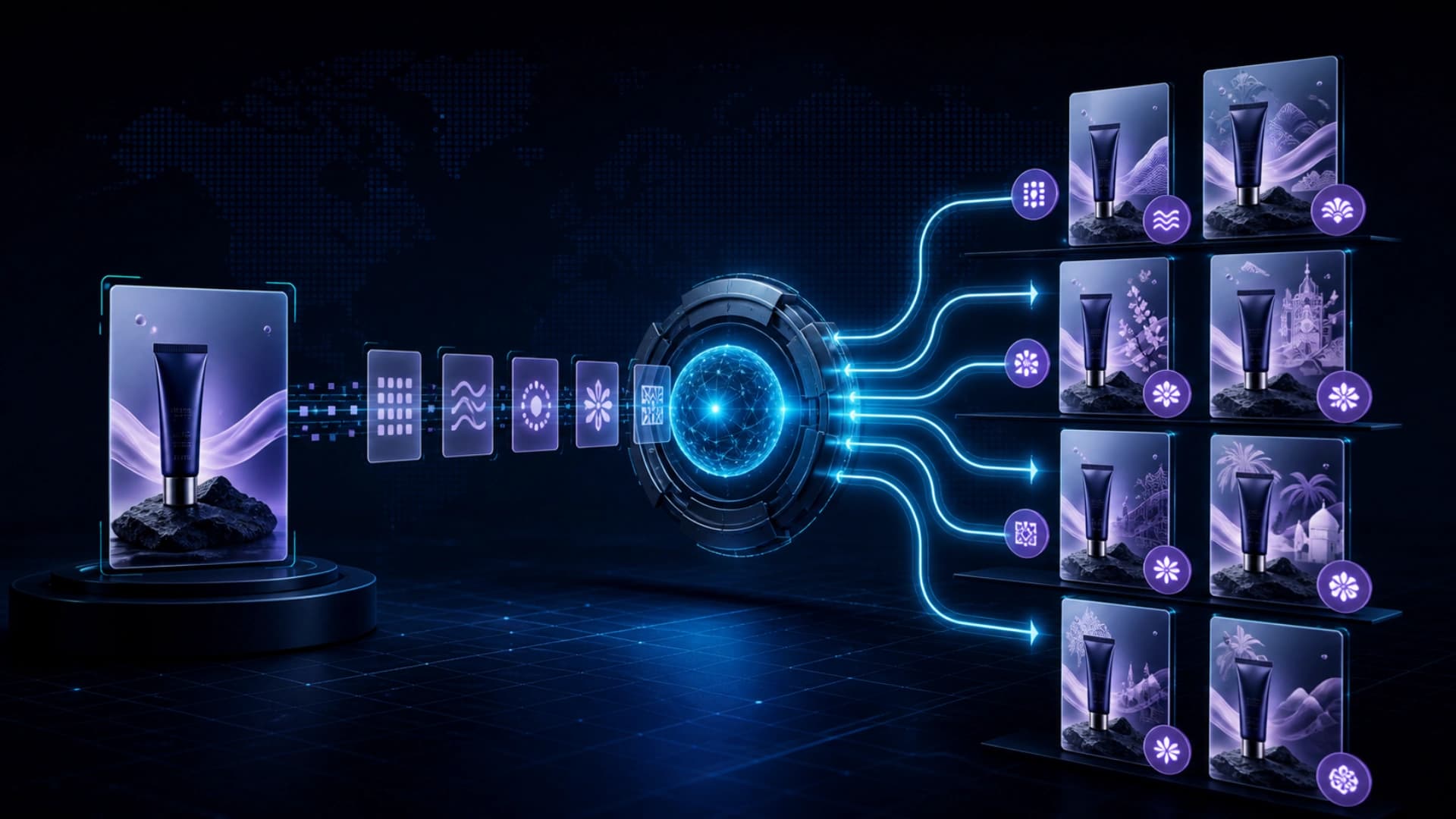
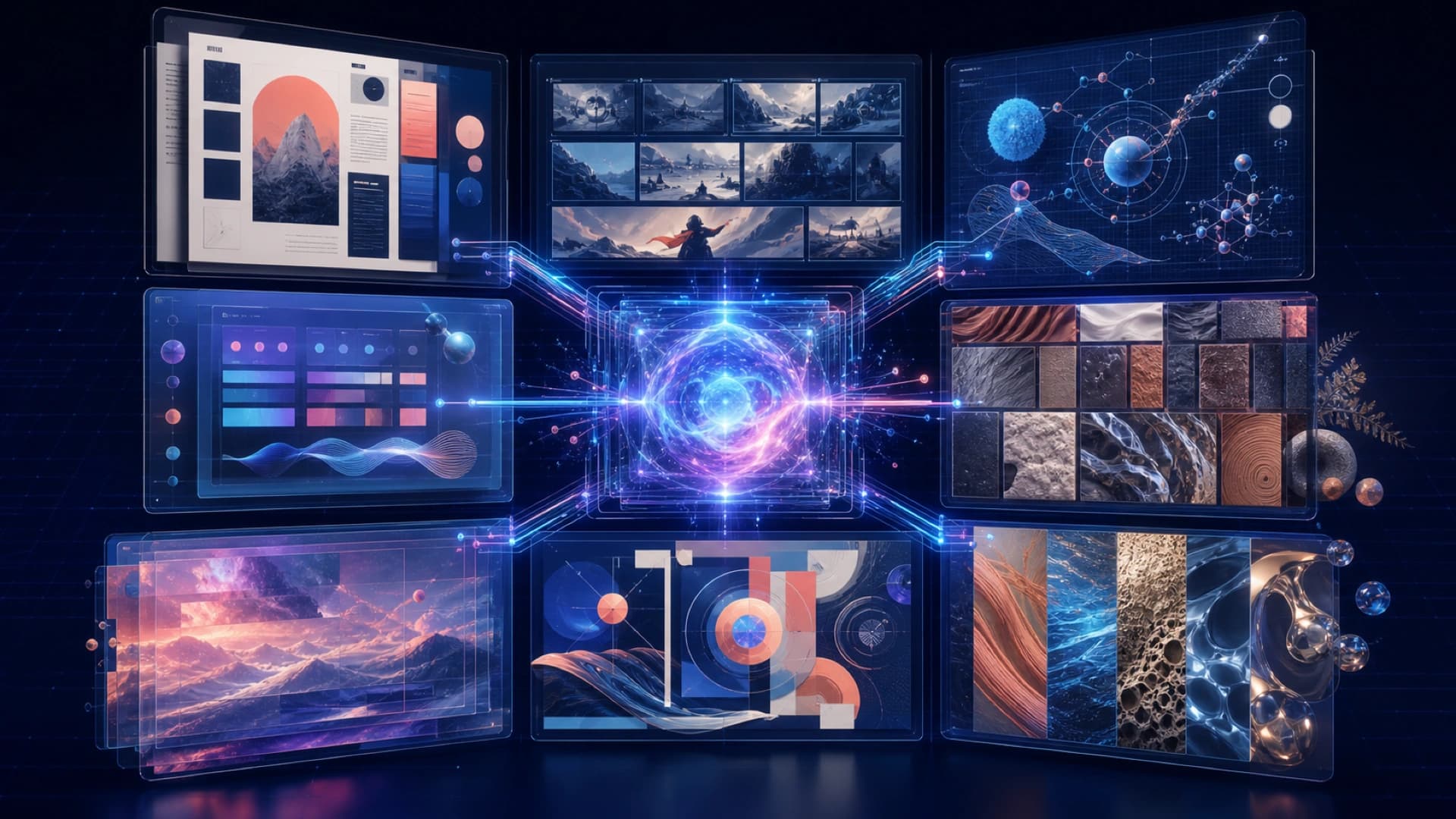
The first direction is Rich Content. Alibaba Cloud says the model accepts up to 4.5k tokens of input and can handle long instructions for newspapers, storyboards, exam papers, and complex infographics. One example shows a 3-by-3 grid generated in one pass, with each cell containing a different information-dense visual. The model is expected to maintain multiple subjects, structures, diagrams, and text relationships at the same time.
The second direction is Authentic Details. The provider claims the model can render text as small as 10px and depict pores, hair, paper, handwritten annotations, and academic formulas with greater detail. If that remains reliable across fonts, languages, and output sizes, it could matter more to design teams than the general style of a single poster. The examples in the article are still provider demonstrations, not independent reproducible tests.
The third direction is Deep Knowledge. Alibaba Cloud says the model supports 12 languages, more than 100 artistic styles, and interfaces such as web pages, games, and livestreams, as well as annotated infographics. The article also shows examples that use the internet for current knowledge. These descriptions should be read as vendor statements about capability; results will depend on the prompt, source data, layout complexity, and review process.
The release positions newspaper PDFs, short-drama storyboards, and complex UI interfaces as high-value productivity scenarios. That suggests image-model competition is increasingly about long instructions, hierarchy, readable text, and specific formats rather than visual appeal alone. For content teams, editability, brand and copyright requirements, and fit with existing design tools matter just as much.
As image generation moves closer to production tooling, verification becomes more important. Teams need to check text and numbers, mixed-language layout, diagram logic, source attribution, people and trademark rights, and the data boundary when a model retrieves information from the web. A successful official demo is not enough to prove stable output over a long-running workflow.
Qwen-Image-3.0 reflects a broader move from images that are merely good-looking toward images that are useful. A practical assessment still needs independent evaluation, cost, regional availability, output rights, and the actual time required to edit and approve the results.