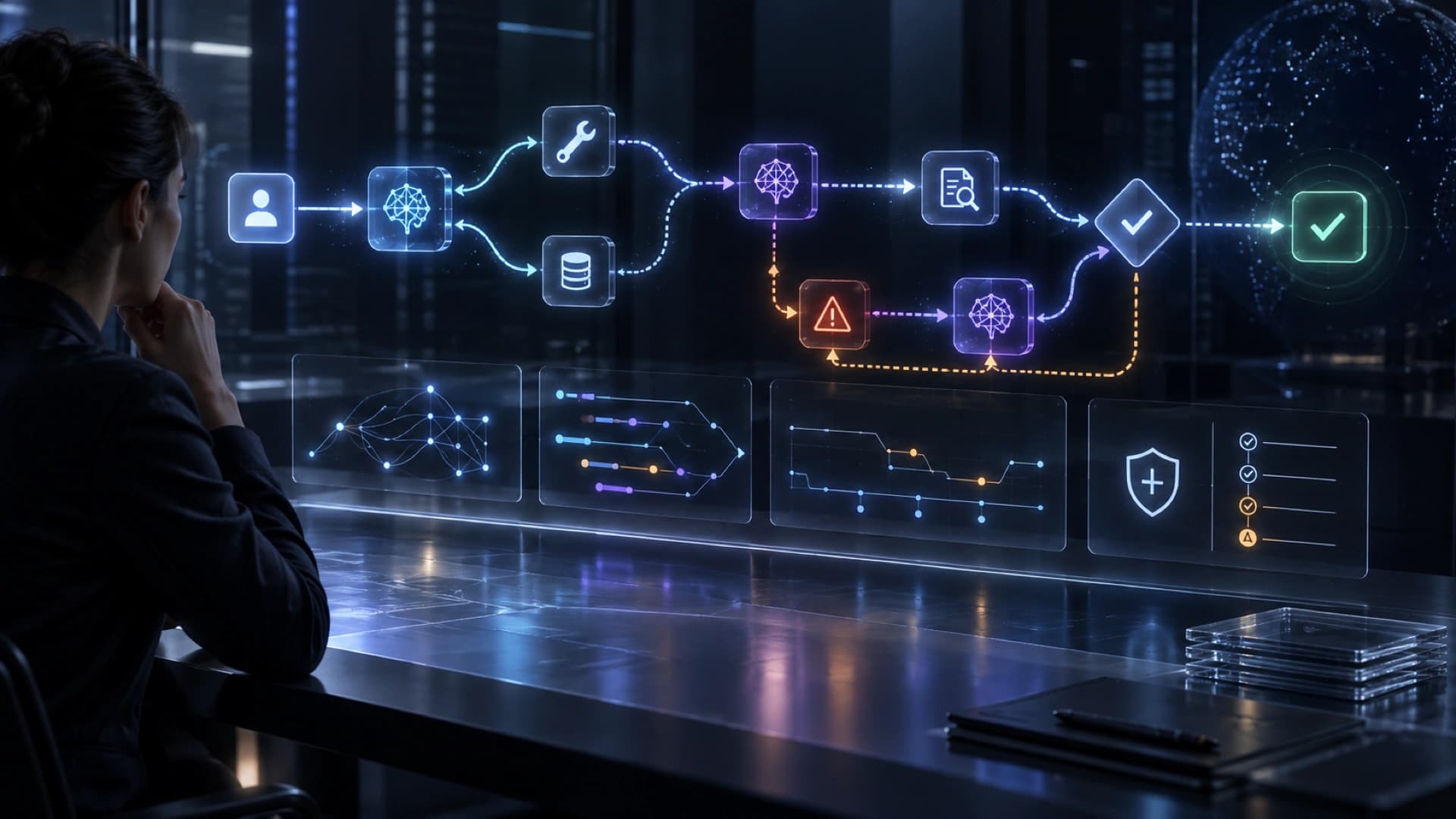

On August 7, 2026, Anthropic said Claude Code auto mode would move from an optional feature to the default for new sessions on its Pro, Max, and Team plans. The change begins August 14. Users or teams that already pin auto mode should see no behavioral change, and Anthropic says classifier overhead has not been charged since August 7.
Auto mode does not give the model unrestricted shell access. Instead, tool calls are first routed through a classifier. Anthropic says the classifier is intended to block irreversible or destructive operations and actions outside the configured working environment. The goal is to reduce repeated confirmations for low-risk coding while retaining a safety boundary around higher-risk actions.
The boundary has explicit fallback rules. After three consecutive blocks, or 20 total blocks, Claude Code returns to manual approval and asks the user to approve tool calls individually. Enterprise, API, AWS Bedrock, Google Agent Platform, and Microsoft Foundry remain opt-in for now, with Anthropic saying it plans to extend the default over the following month.
Anthropic says the change is informed by internal and third-party red teaming, prompt-injection evaluations, and production analysis. Those materials explain how the company evaluated auto mode, but they are not independent, reproducible evidence of safety for every deployment. Teams that let an agent reach production infrastructure still need to treat the default as an authorization and review decision.
One study in the announcement was organized by Anthropic and involved 1,053 paid testers. The company says only 13.6% of human-approval testers caught dangerous commands, while auto mode blocked 89% of the tests (937/1,053). In another comparison, auto mode blocked 800 actions that humans had approved, while human reviewers blocked six actions that auto mode had allowed. These are vendor-reported results from a controlled study; its environment and sampling should not be treated as a universal safety rate.
Anthropic also says Teams and Enterprise auto-mode adopters created 25% more pull requests on average. That is a vendor observation about adoption, not an independent productivity study. It also does not establish whether the extra pull requests were higher quality or required additional human review.
Auto mode is most defensible for coding workflows with clear directory boundaries, least-privilege tools, and reversible changes. Production deployments, database migrations, credentials, payments, and destructive data operations should still use human approval, isolation, and audit logs. A classifier can reduce friction; it cannot replace a user’s judgment about the goal and consequences.
The broader change is a shift from asking a human about every tool call to classifying risk first and escalating according to policy. That can make agentic coding more fluid, but it also makes the classifier, permission model, fallback conditions, and monitoring quality part of the security boundary. Anthropic itself warns that auto mode does not remove risk and recommends review for high-stakes production infrastructure.