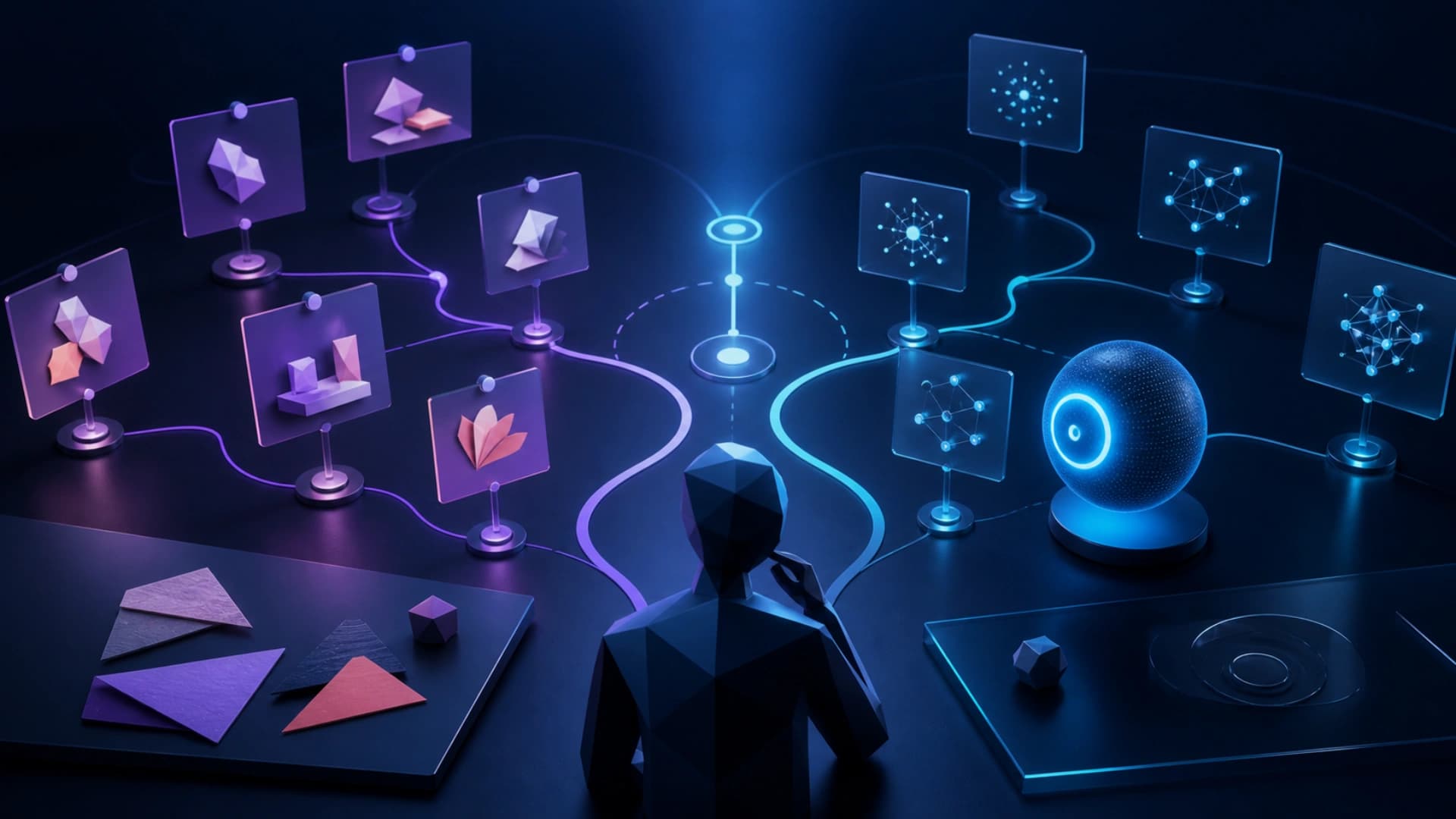
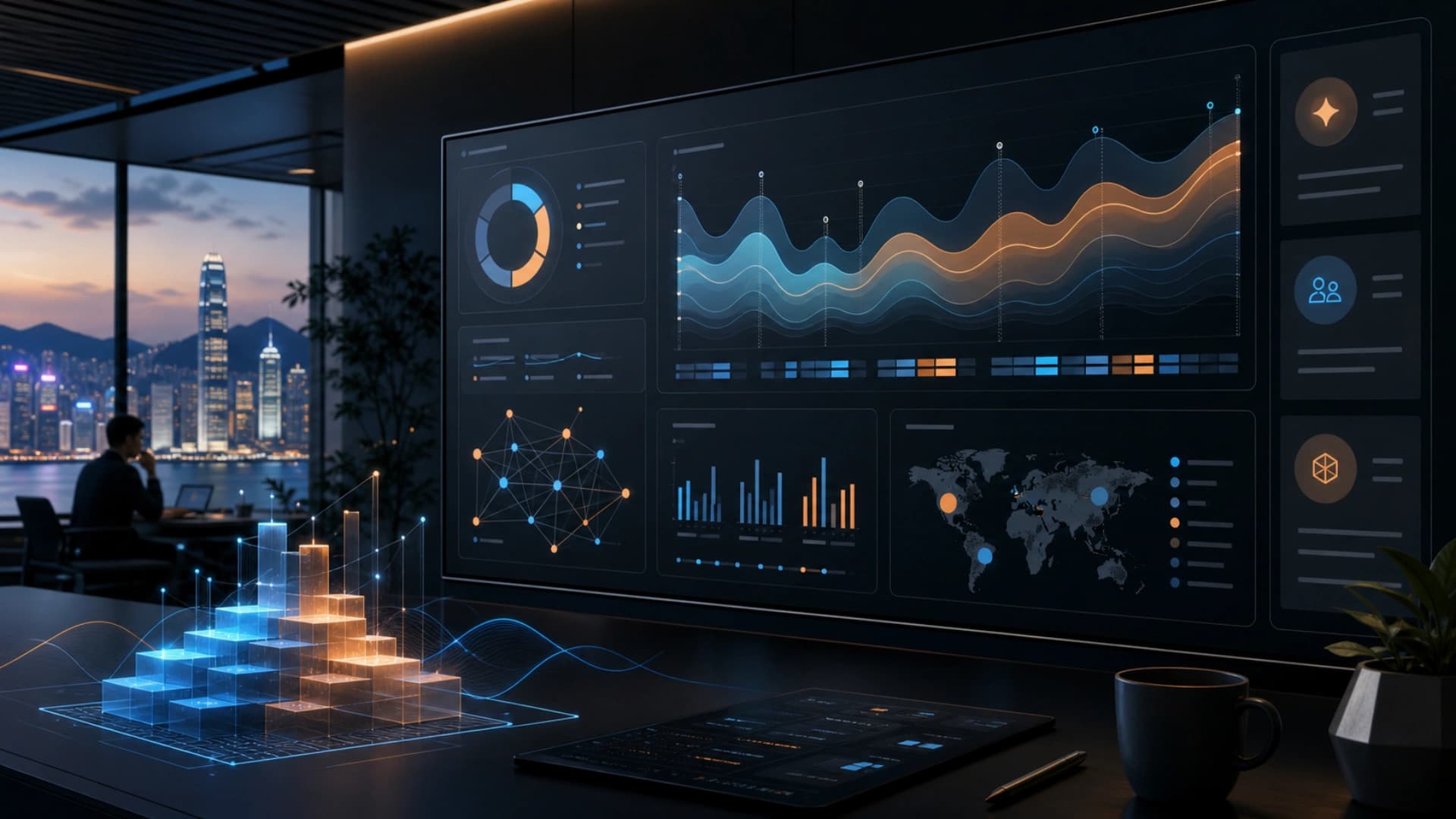
Anthropic published a new Economic Index report, Cadences, on June 26, 2026. The important shift is that the report is not only asking what Claude is used for. It is studying how AI usage lines up with real-world time patterns, work rhythms, output types, and expectations around automation.
Anthropic notes that a year ago most Claude usage looked like a conversation between a user and an assistant. With Claude Code and Cowork growing quickly, more sessions now look like long-running agentic tasks. That means chat transcripts alone no longer capture the full economic impact of AI. Much of the value is appearing in coding sessions, agent workflows, API usage, and cross-tool outputs.
The report updates the Economic Index data pipeline accordingly. Anthropic adds privacy-preserving telemetry, daily and hourly usage patterns, Claude Code and API data, and more granular monthly data across chat, Cowork, and first-party API usage. That matters because once AI becomes part of workflows, depth of use becomes more meaningful than simple prompt volume.
One useful finding is that Claude usage follows the workweek. Personal use rises on weekends, while work-related requests decline. The decline is smaller for tasks associated with higher-paid occupations. Claude Code also shifts on weekends: some backend architecture, API debugging, and data storage tasks fall, while AI agent design, quant trading, and gaming-related clusters rise.
That pattern shows AI becoming more than an office-hours tool. It supports weekday business correspondence, presentations, and coding work, but it also appears in weekend entrepreneurship, personal research, and side projects. As AI becomes an always-available work layer, organizations need to ask which tasks have become repeatable and measurable AI workflows, not only whether employees have access.
The report also looks at output types. Different products produce different outcomes. Chat and Cowork provide more explanations, while Claude Code is closer to deliverable engineering work. Anthropic also observes that more compute is associated with more valuable artifacts. That points to a larger shift from answers to outputs: websites, documents, code, analysis, and automation results.
Another notable signal comes from the survey. People who use Claude in the most automated ways expect AI to take on more of their tasks over the next year, yet they are also more optimistic about pay, job security, and meaning at work. That does not remove the risks, but it suggests heavy users increasingly see AI as a capability multiplier rather than only a replacement force.
The practical takeaway is that enterprise AI maturity needs better measurement. Counting logins and prompts is no longer enough. More useful metrics include task cadence, output value, automation share, human review points, and whether AI has become part of the team's delivery rhythm.