Anthropic published a UST case study on July 9, 2026 focused on bringing Claude into physical AI. This does not mean science-fiction robots. It means embedding intelligence into production equipment, engineering validation, and operational processes so companies can catch problems earlier in chips, cars, connected devices, and factory systems.
UST is a technology and engineering services company working with semiconductor, automotive, manufacturing, telecom, embedded, and IoT companies. These industries share one pattern: long processes, many steps, and errors that get more expensive the later they are found. A design flaw found during verification may cost an engineer an afternoon. The same flaw found after manufacturing begins can affect an entire production run.
Anthropic says UST is putting Claude Code inside those engineering environments. Claude Code reads schematics and pinouts, then writes and runs tests that check the design. This is not ordinary document Q&A. It asks the model to carry context across hardware, software, and testing workflows during tasks that can last for hours.
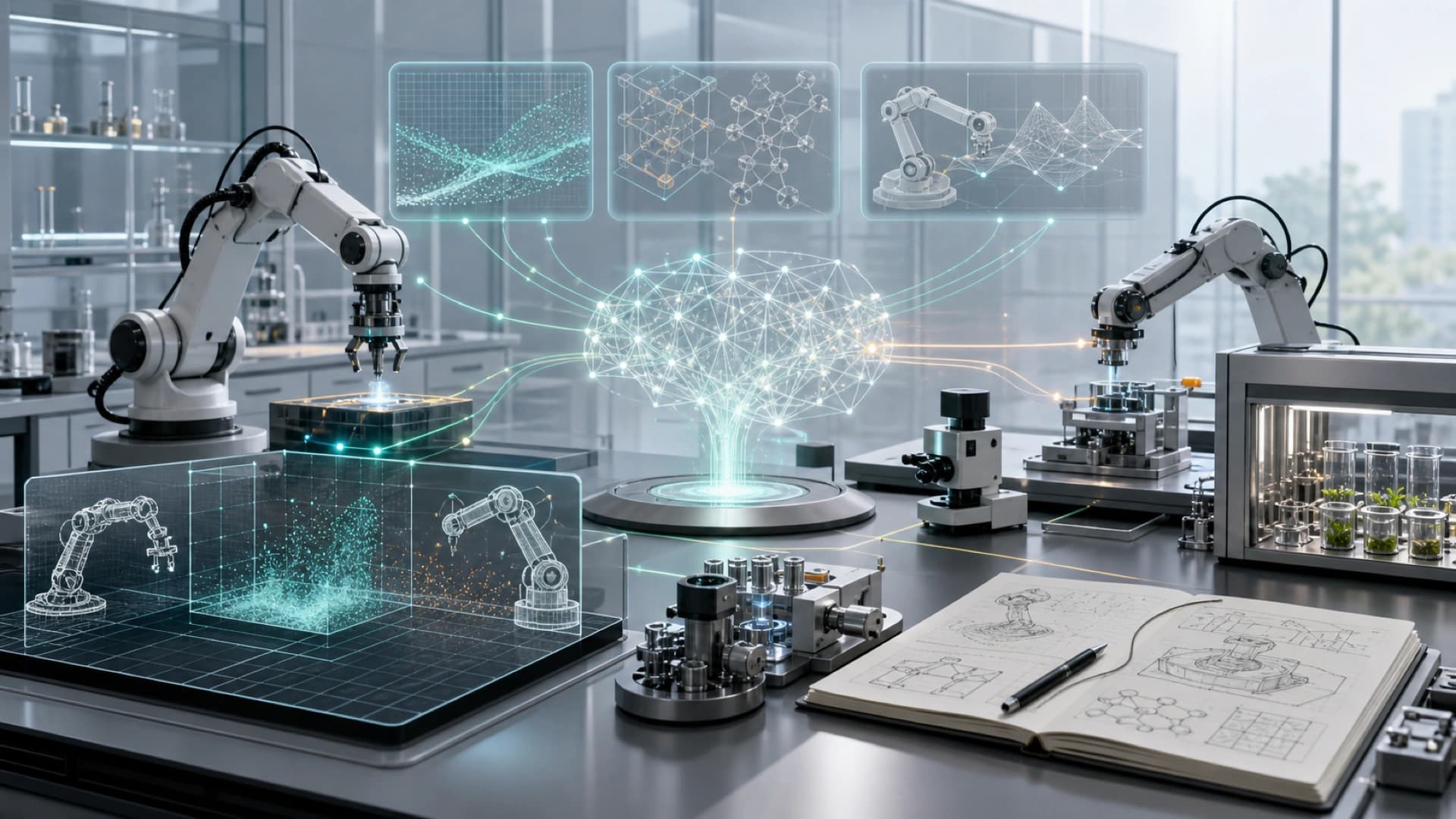
The clearest example is UST's iDEC platform, which validates hardware and silicon before production. Engineers traditionally write test scripts by hand, run them, read the results, and repeat the cycle many times. UST says its closed-loop pipeline already cuts validation cycle time by 50% to 70%, reducing a standard four-day turnaround to 48 hours. Claude is now being integrated as the reasoning layer.
In that pipeline, Claude reads chip pinouts and hardware schematics, generates and runs regression tests, and compares live equipment data against a digital twin. It can flag firmware regressions and signal-integrity faults earlier. The scenario matters because it moves AI agents from software codebases into the validation and operations layer of physical products.
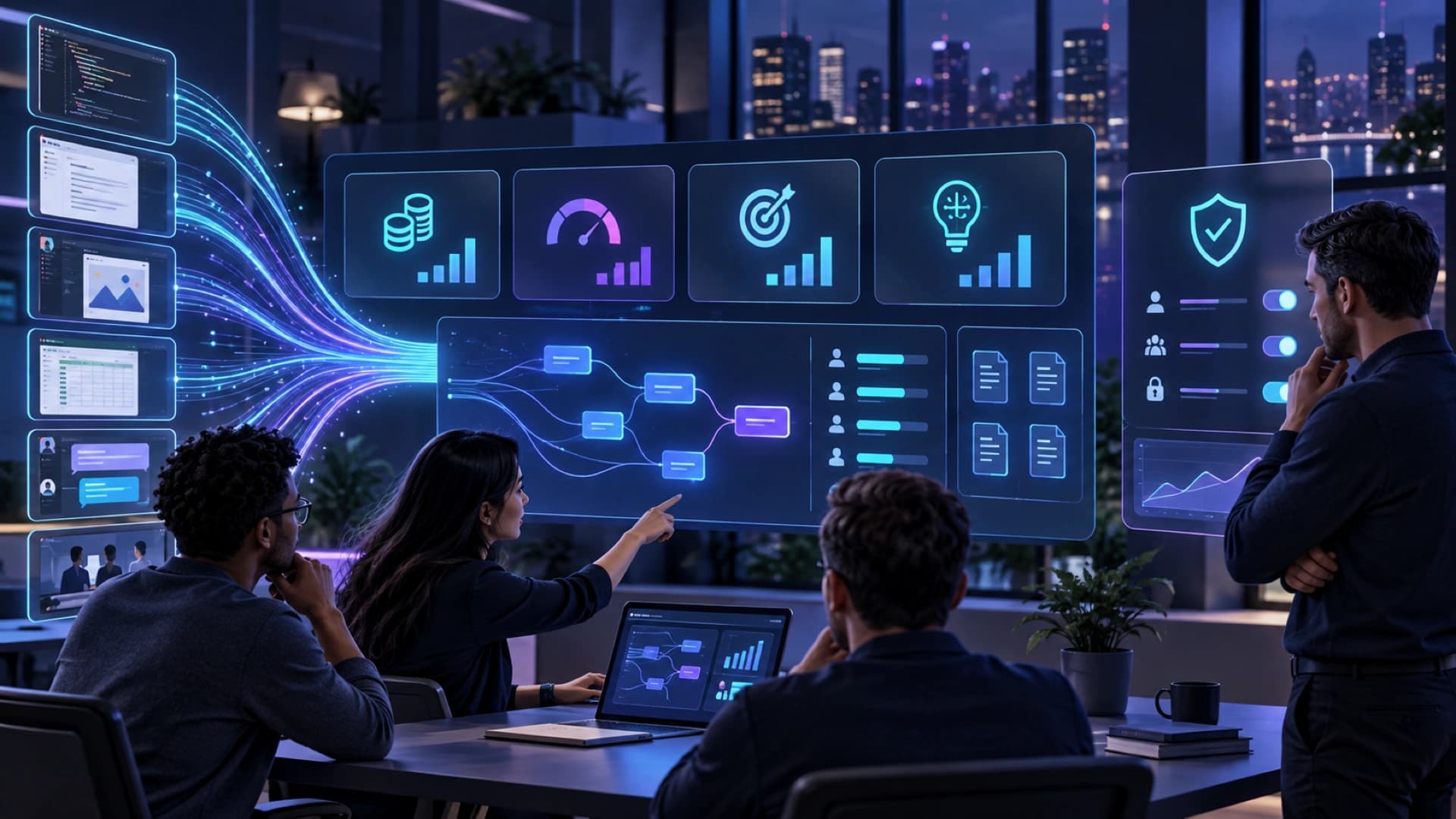
UST is also bringing Claude into healthcare, telecom, and banking platforms. CarePath turns scattered health data into clear next steps while keeping human approval before member-facing action. IntelliOps helps telecom teams spot service issues, predict radio access network failures, and shorten outage response. FinX embeds AI agents into banking workflows for case handling, servicing automation, knowledge retrieval, workflow assistance, and decision support.
The most important part of the news is governance. Anthropic explicitly points to human approval steps and audit controls. Physical AI and regulated industries cannot optimize only for automation speed. Once AI enters factories, healthcare, telecom, or banking workflows, reliability, safety, auditability, and responsibility become part of the product.
UST is also training 20,000 engineers, architects, consultants, and industry specialists worldwide on Claude, while building specialized deployment teams. That shows enterprise AI adoption is not only an API integration problem. It changes talent, processes, platforms, and governance together. Claude's move into physical AI shows AI agents expanding from office knowledge work into physical products and high-stakes operations.