
On May 18, 2026, Dell Technologies announced Dell Deskside Agentic AI at Dell Technologies World. This is important infrastructure news for enterprise AI teams because it does not assume every agent workflow should run only in the cloud. Dell is bringing agent execution to local workstations and then extending the same operating model toward the data center.
Dell's positioning is direct. Deskside Agentic AI is a new part of the Dell AI Factory with NVIDIA, designed to let workgroups deploy and scale agentic AI workflows locally without the cost, latency, and data sovereignty constraints of cloud-only approaches. For organizations dealing with sensitive data, internal IP, regulated work, or predictable high-volume inference, that matters.
The solution combines Dell high-performance workstations, the NVIDIA NemoClaw software stack, and Dell Services. Dell says it can handle models from 30 billion to 1 trillion parameters at the desk, with hardware options including Dell Pro Max with GB10, Dell Pro Precision 9 towers, and Dell Pro Max with GB300 for larger frontier-level inference.
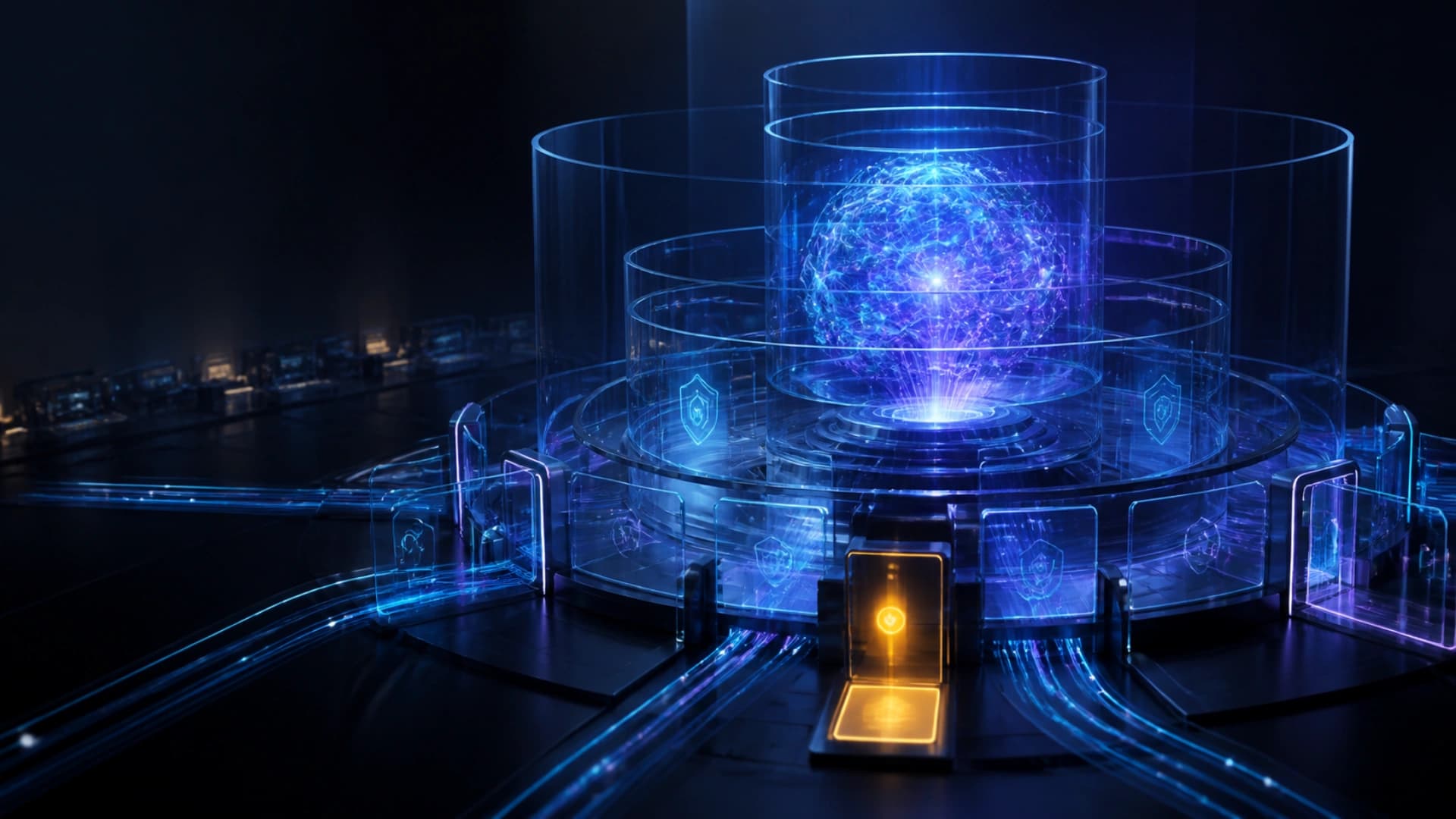
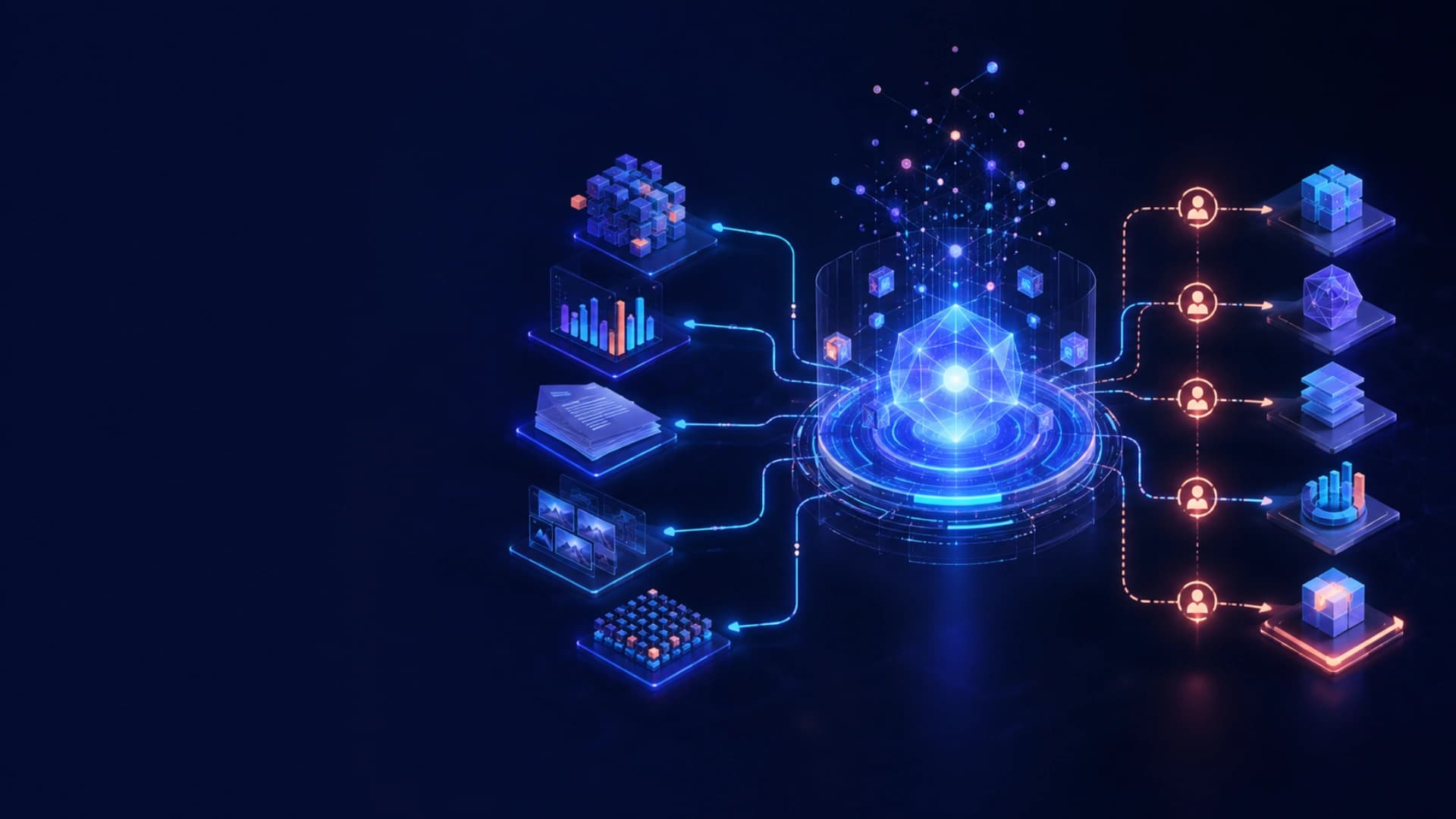
The most important technical layer is NVIDIA OpenShell. Dell says OpenShell is now supported across the entire Dell AI Factory with NVIDIA, from deskside workstations to Dell PowerEdge XE servers. OpenShell provides a sandboxed runtime for building, testing, deploying, and governing AI agents with runtime security and privacy controls.
That reflects the next stage of enterprise agents. In early pilots, teams often focus on whether a model can complete a task. In production, the harder questions are where the agent runs, whether data leaves the business boundary, whether token cost is predictable, whether IP risk is controlled, and whether governance rules are consistent across environments. Dell's desk-to-data-center framing answers those concerns.
Dell also makes cost central. The company argues that agentic workflows compound token usage quickly and that cloud-only strategies can fall short on economics, security, and data sovereignty. Dell says some workloads can break even against public cloud API costs in as little as three months and reduce spend by up to 87% over two years versus cloud APIs, depending on workload assumptions. The exact numbers will vary, but the direction is clear: once agents run at volume, inference location becomes a cost architecture question.
NVIDIA AI-Q 2.0 blueprint support is another signal. Dell says it gives organizations a tested foundation for multi-agent workflows such as research, decision support, and complex tasks, delivered as the Dell-NVIDIA AI-Q 2.0 Reference Architecture. Enterprise agents are moving from single assistants toward repeatable multi-agent deployment patterns.
For organizations planning AI workflows, the practical lesson is that public cloud APIs are not the only deployment path. When work involves private data, long-running inference, fixed high-frequency tasks, compliance, or cost control, local workstations, private cloud, and data-center infrastructure become relevant again. In the agent era, infrastructure choices directly shape security, cost, and governance.