GitHub announced on June 17, 2026 that the GitHub Copilot app is generally available for macOS, Windows, and Linux. GitHub describes it as the desktop home for agent-driven development. That positioning matters because coding agents are moving beyond IDE suggestions into managed development workbenches.
The core workflow starts from an issue, pull request, or prompt. Users can run parallel sessions across repositories, with each session on its own branch and worktree. That turns agent work from a single chat thread into a set of development tasks that can be tracked and managed side by side.
GitHub also emphasizes validation inside the app. Developers can review the diff, use the integrated terminal and browser, then open a pull request that follows the team's existing checks and merge requirements. The agent is being routed back into normal engineering controls rather than bypassing pull requests, CI, or review.
Since the technical preview, GitHub has added several important capabilities. Canvases provide shared surfaces where humans and agents operate on the same plan, pull request, terminal, or browser session. Cloud automations let recurring agent work run in the cloud without depending on a local machine staying awake.
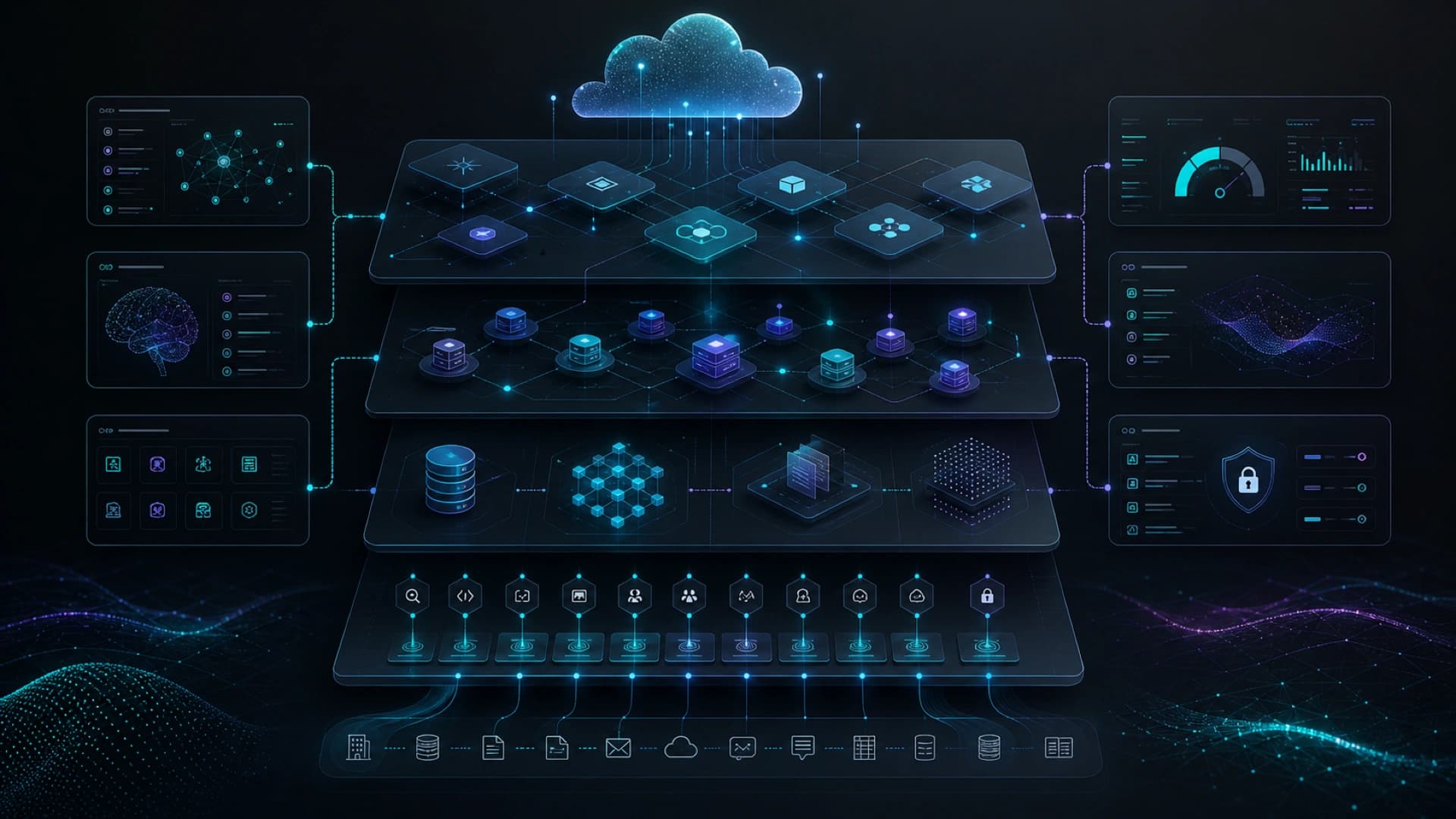
The other direction is bring-your-own model and tools. Users can choose the model behind each session and connect external tools through MCP servers. That makes the Copilot app less like a single fixed assistant and more like a configurable container for agent work.
The broader signal is that coding-agent tooling is maturing quickly. The early question was whether AI could write code. The next question is how teams manage multiple agent tasks, keep verification visible, and route changes back through existing pull request and merge policies.
For engineering teams, adoption therefore becomes an operating-design problem. Teams need to decide which issues are safe to delegate, where human review is mandatory, how tests and browser validation are structured, and how to prevent parallel agent sessions from creating duplicate or conflicting work.