
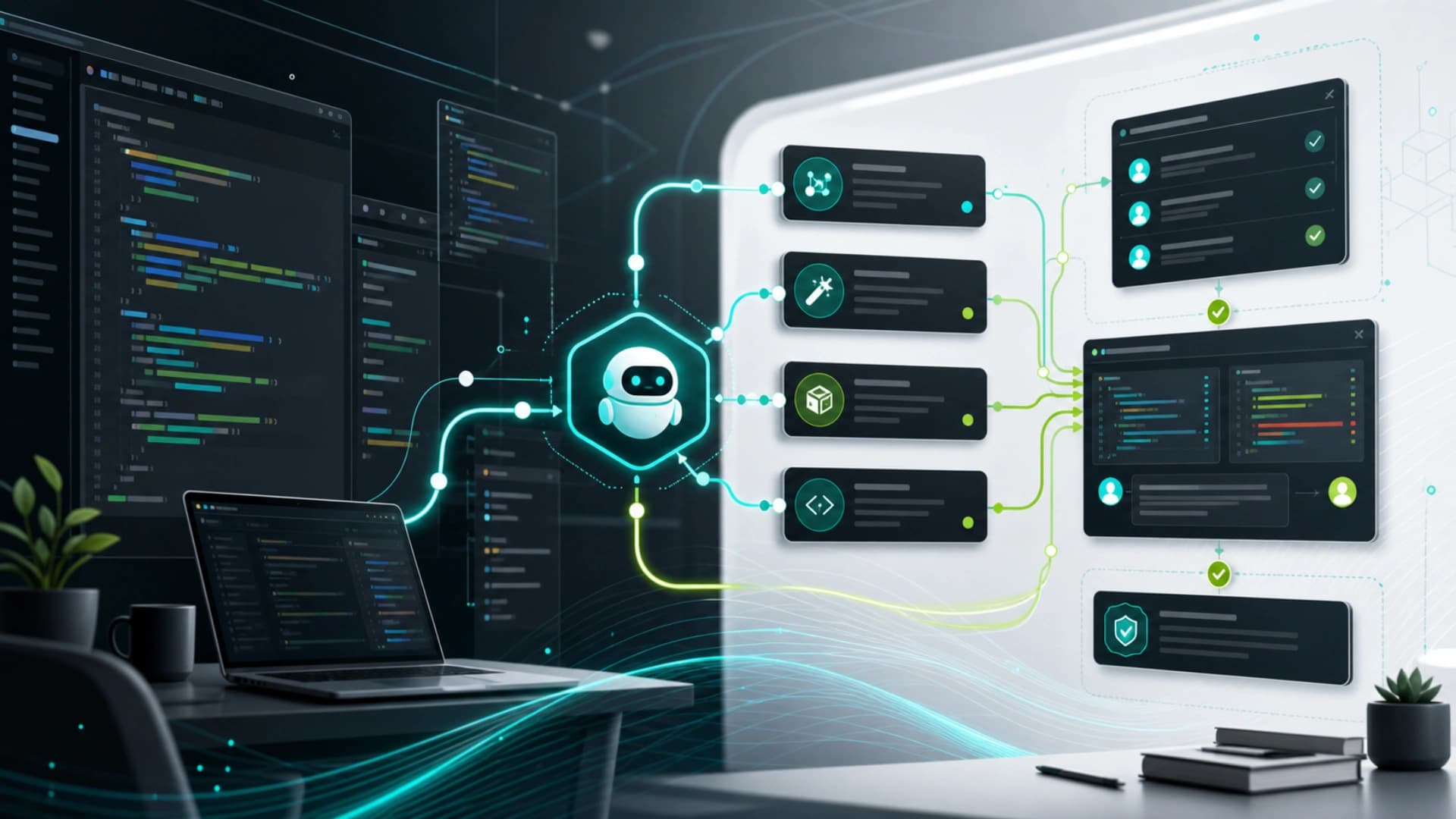
GitHub released a June 22, 2026 update for Copilot in JetBrains IDEs that is less about one feature and more about moving AI coding agents into managed enterprise development environments. The update adds organization and enterprise custom agents, Copilot CLI session steering, an agent debug logs summary, Claude as an agent provider in public preview, and a per-turn AI credits indicator.
The most important change is support for organization and enterprise agents. Administrators can define and publish custom agents at the GitHub organization or enterprise level. Eligible members can then select those agents directly from the Copilot Chat agent picker inside JetBrains IDEs. That turns coding standards, tool permissions, project rules, and task roles into shared agent configurations instead of individual prompt copies.
This changes how teams govern AI coding adoption. Many organizations currently have engineers using different models, prompts, and permissions, which makes output difficult to standardize. Enterprise agents centralize behavior into managed configurations. For larger engineering teams, consistent review rules, security boundaries, and coding style directly affect delivery quality.
The Copilot CLI update is also practical. Users can now send messages while a long-running request is active. They can queue a message, steer the current session once tool execution yields, or stop and send immediately. That matters because long agent tasks often drift rather than fail outright. Being able to redirect the agent without losing all context makes human-agent collaboration closer to real development work.
Claude as an agent provider entering public preview is another signal. Developers can select a Claude agent session from Copilot Chat, while GitHub notes that the current implementation runs in bypass permissions mode and automatically approves file edits and tool calls. Configurable permissions are planned later. The takeaway is that multi-model agent platforms are forming, but permission governance remains central to product maturity.
GitHub also made cloud agent generally available and added debug log summaries plus per-turn AI credits visibility. Debug summaries help developers review what happened in an agent session. Credits visibility helps users see the cost of each turn. Together, these features point to the same operational need: once coding agents become daily tools, observability and cost transparency become necessary.
The broader signal is that AI coding agents are no longer only a VS Code or solo-developer experience. When agents can be defined by an organization, selected inside an IDE, steered from CLI sessions, reviewed through debug logs, and measured through credits, enterprise adoption shifts from asking whether agents exist to asking whether they are governable, auditable, and cost-aware.