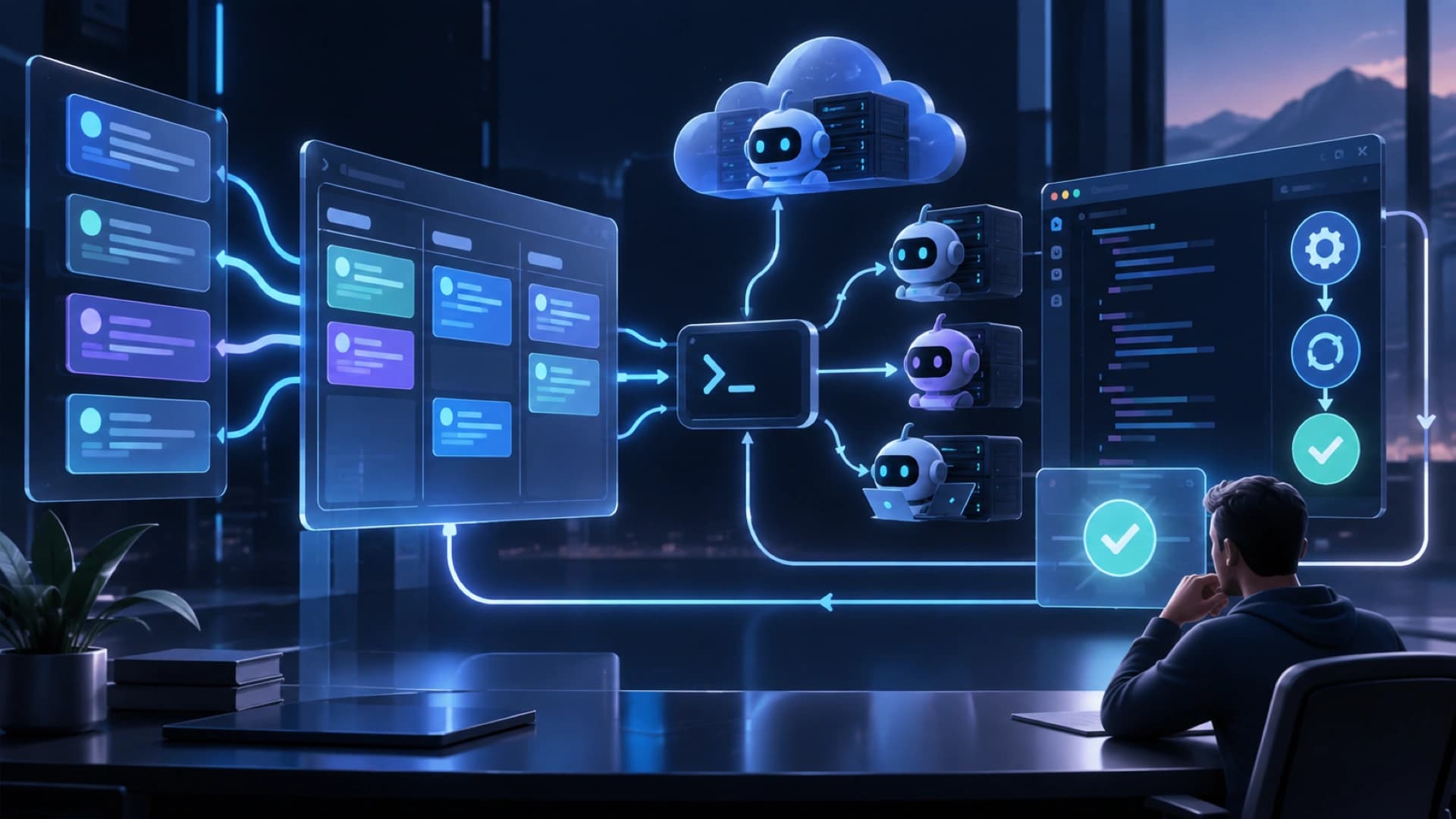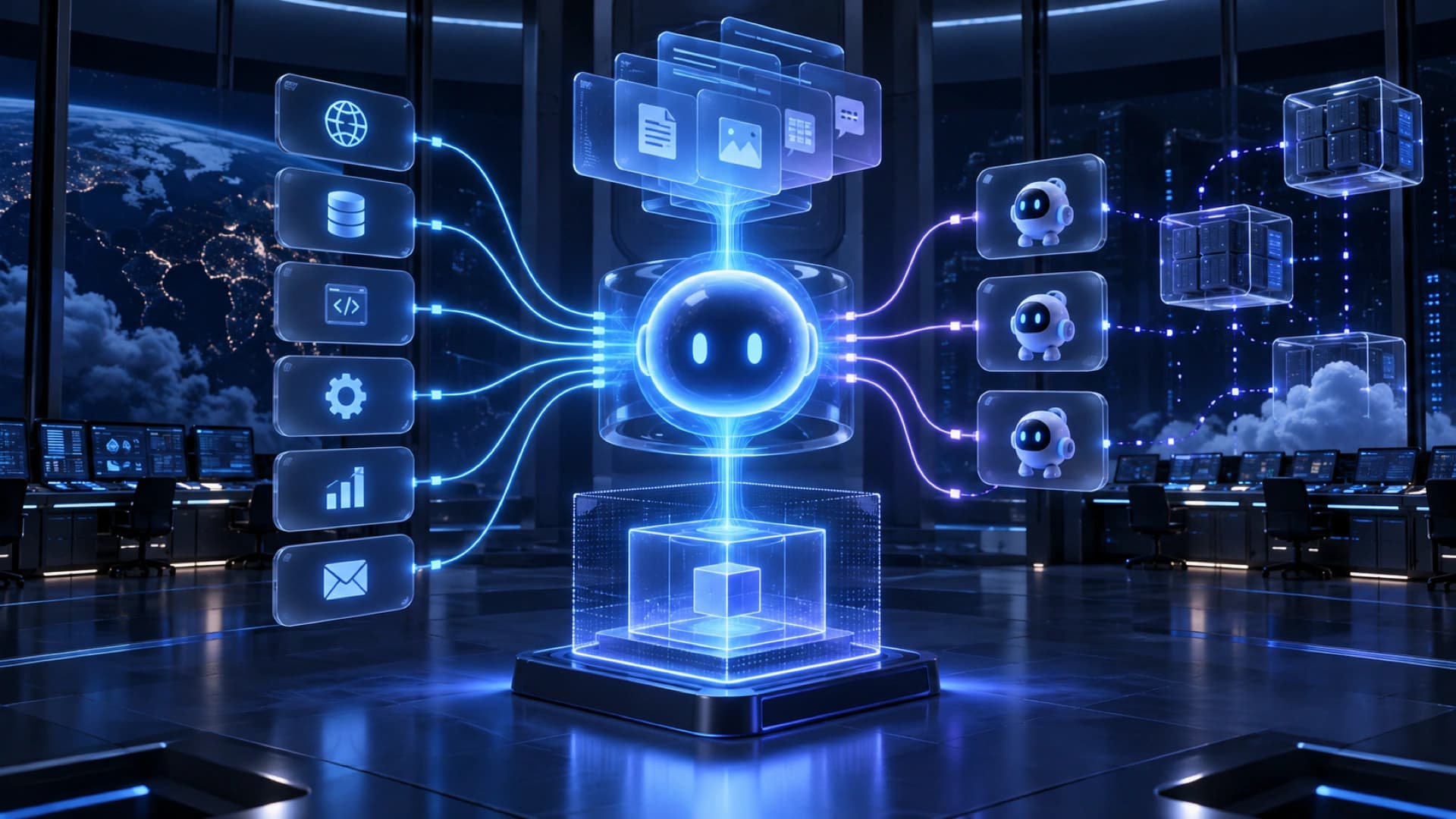
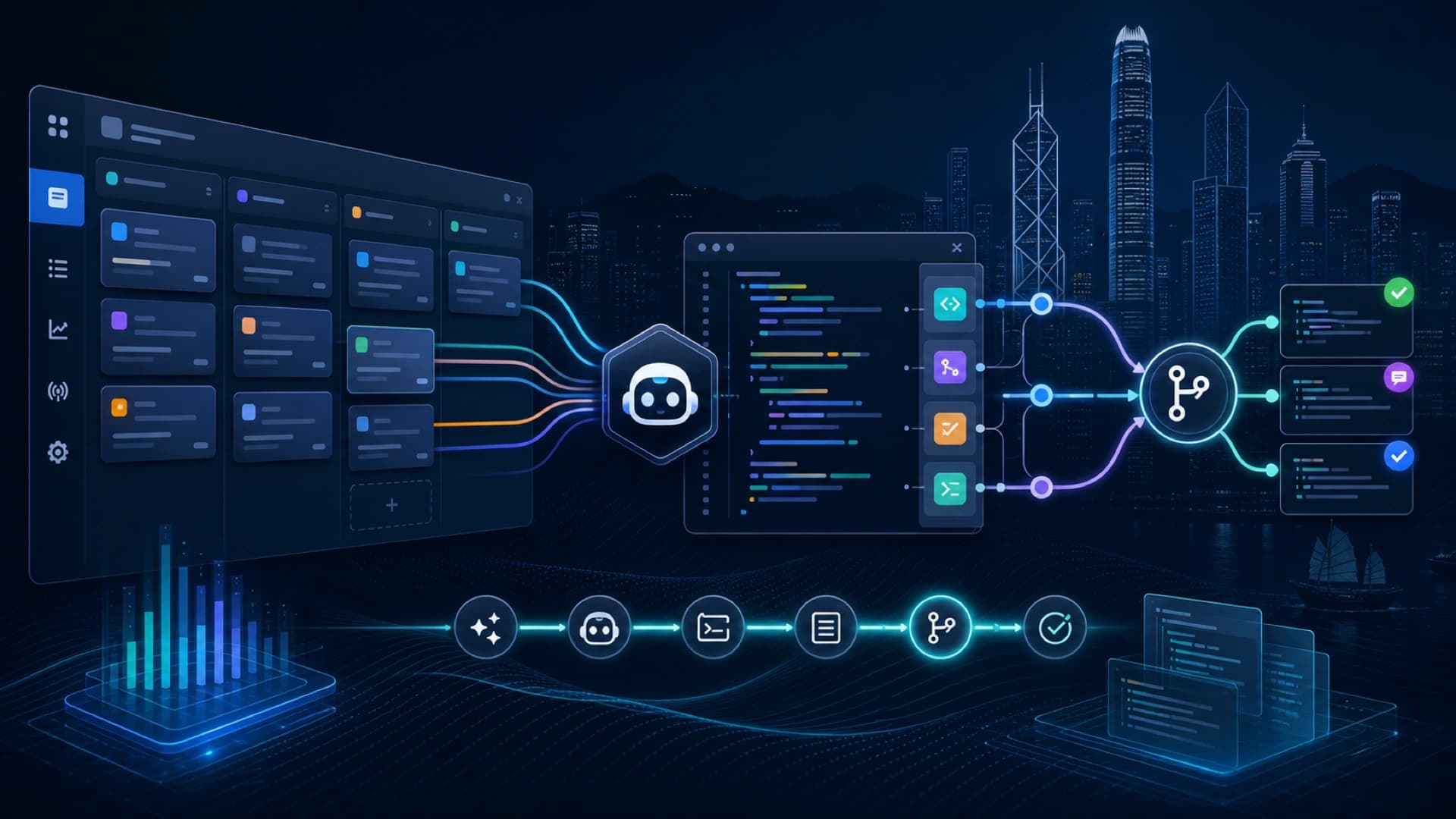
GitHub announced general availability for GitHub Copilot for Jira on June 25, 2026. The important shift is that coding-agent sessions can now start directly from Jira issue workflows, reducing the need to move requirements into another tool before delegating engineering work.
For many teams, Jira is the entry point for requirements, bugs, roadmap planning, and sprint tracking. Until recently, AI coding assistants mainly worked inside IDEs or GitHub surfaces. Issues still had to be read, interpreted, turned into branches, and moved into the development workflow by humans. Copilot for Jira moves the agent starting point upstream into the issue layer.
That is practical. If a Jira issue already contains context, requirements, screenshots, acceptance criteria, and priority, an agent can use that context to start a session, form a plan, make changes, and report progress back where collaboration already happens. Done well, this reduces the cost of repeating the same requirements across several tools.
GitHub is also putting emphasis on progress visibility. A coding agent should not behave like a black box that disappears and returns a result later. Teams need to see what it is doing, when a draft pull request appears, where more human context is needed, and how the result should be reviewed. That feedback loop determines whether agents can become part of the formal development process.
The Jira integration also moves AI agents closer to the boundary between product and engineering. The hard part of many bug fixes and feature requests is not only writing code. It is understanding intent, constraints, priority, and acceptance criteria. If an agent starts from the issue, teams need higher-quality issue descriptions, clearer test criteria, and explicit permission boundaries.
This does not remove people from the loop. Agent-created pull requests still need code review, tests, and product acceptance. The useful pattern is to let AI handle clearly bounded implementation work first, while humans check boundaries, risk, and final decisions. That is much closer to reliable engineering automation than treating AI as a chat assistant.
The signal from Copilot for Jira GA is clear: AI coding is expanding from editor features into workflows spanning issues, branches, pull requests, and review. Future productivity gaps may depend less on raw model strength alone and more on whether teams make requirements and review data understandable and traceable for agents.