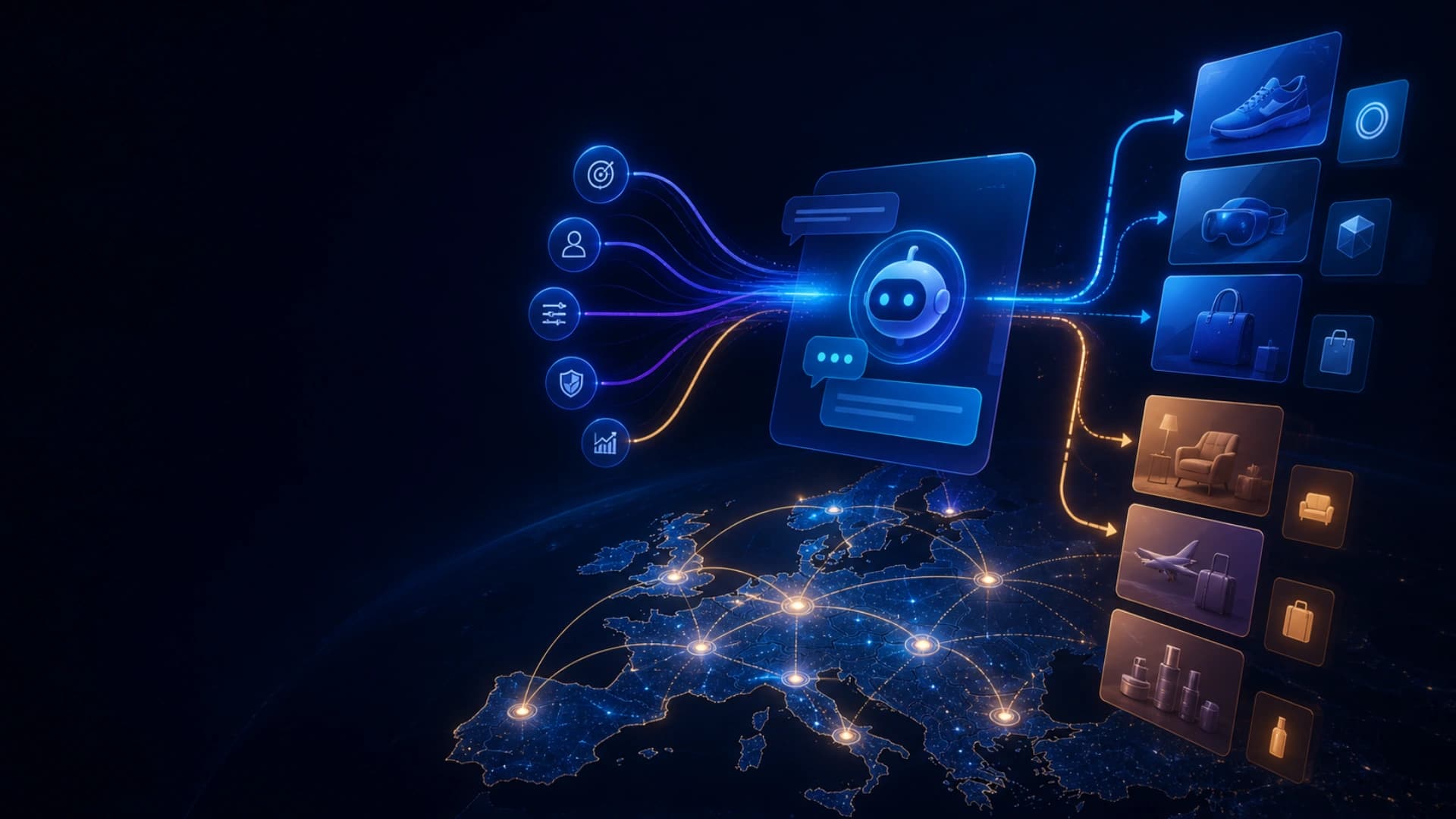
On August 21, 2026, GitHub announced the public preview of its new GitHub Copilot experience in Slack. The important shift is that agentic coding tasks that previously started in a terminal, IDE, or GitHub interface can now start where a team is already discussing the work. A user can call GitHub into a Slack conversation and let an agent carry context toward issues, code, and pull requests.
In a DM, channel, or thread, team members can use @GitHub to ask about code and activity, or to triage, update, create, and label issues. For larger tasks, Copilot can investigate a problem, create a plan, implement and validate changes in a secure cloud sandbox, open a pull request, and return the link to Slack. The distance between describing a problem and starting execution becomes much shorter.
Asynchronous execution is central to the experience. GitHub says an agent can continue while a user is away, after which the user can resume from Slack or move to the terminal, Copilot app, or IDE. For teams spread across time zones or waiting on tests, that handoff looks closer to an operating workflow than a single real-time chat exchange.
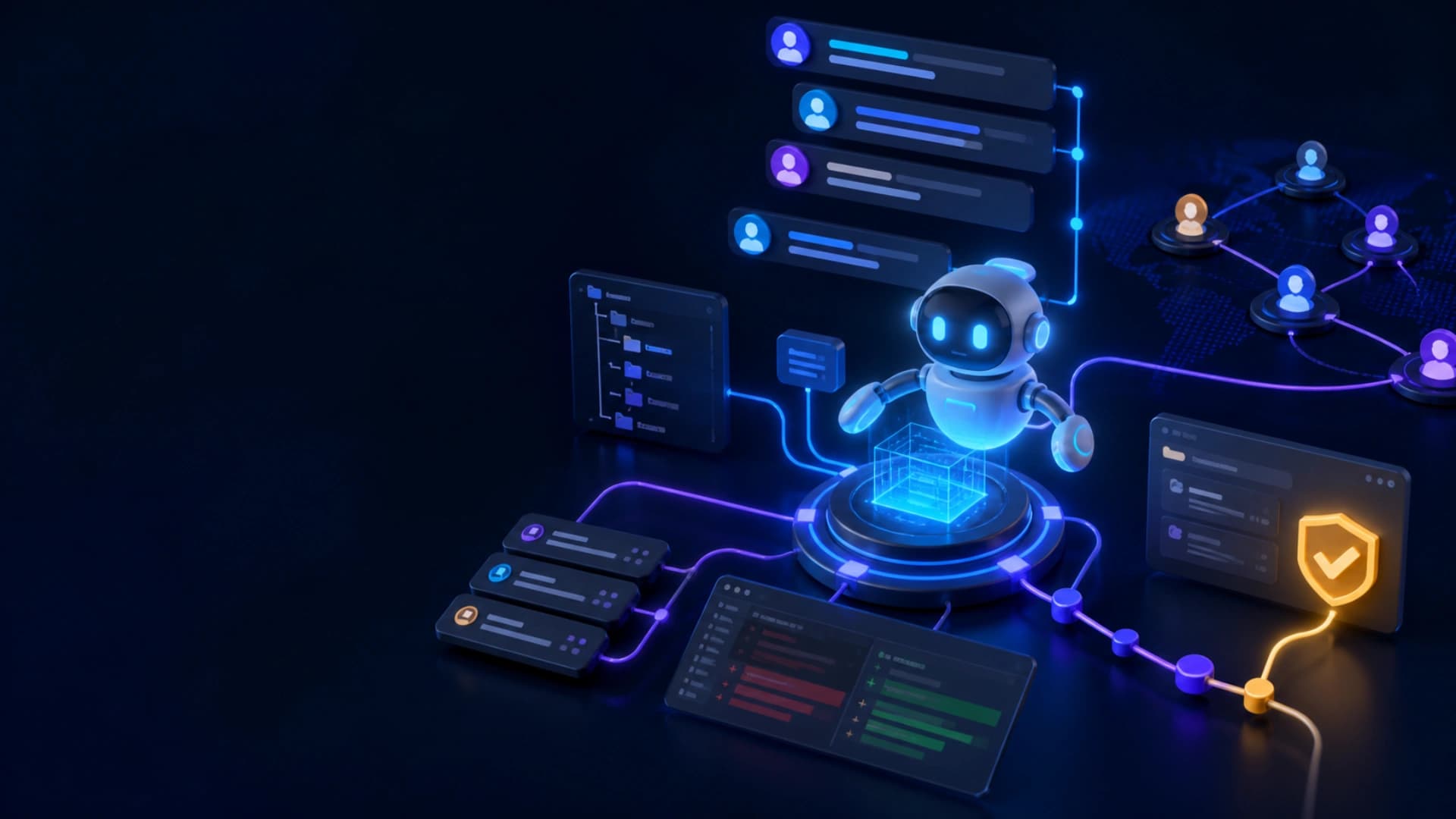
GitHub is also introducing Slack Code, a dedicated code channel for coding agents. A team can follow the plan, inspect diffs, review HTML artifacts, and request changes in the channel. Other members can join, add context, redirect the agent, or stop it. The shared session makes the agent a workspace that several people can observe and adjust rather than a private assistant owned by one conversation.
On governance, GitHub says shared sessions remain bounded by existing GitHub permissions and controls, while issues and pull requests are attributed to the Copilot app identity. Administrators need to enable the cloud agent policy, install the GitHub Slack app, and link accounts. The preview is for Copilot Business and Enterprise customers, and usage follows existing entitlements and budgets. Teams can also require an additional pull-request approval before merge.
The engineering implication is that Slack is moving from a notification and discussion layer toward an agent-orchestration layer. That does not move approval responsibility into a chat window: permission boundaries, the sandbox, pull-request review, stop controls, and merge policy still determine what the agent may do. Simply adding an agent to a channel without defining who can delegate, which repositories are allowed, and which actions require approval will not create a controlled workflow.
The GitHub announcement does not provide cross-team completion or productivity benchmarks, and the feature remains in public preview. The careful interpretation is that Slack is becoming another entry point for coding agents, not that every development team should move its programming work into chat. The useful questions are whether shared sessions improve context handoff, review, and asynchronous collaboration without adding noise or duplicate actions.
The clearest signal is that an agent's unit of work is moving from one person's conversation to an execution session a team can manage together. When work starts in Slack, runs in a cloud sandbox, and ends as a pull request, the AI workflow is defined not only by the model's response but by permissions, state, auditability, and human handoff.