Google's A2UI Team published an A2UI + MCP Apps update on June 17, 2026, focused on how agentic workflows can move beyond text exchange into richer interactive UI. This matters for productizing AI agents because many real tasks do not end with a sentence. They need forms, charts, approval cards, controls, and synchronized state.
The article frames a familiar trade-off. MCP Apps can use iframes and standard web technologies for highly customized interfaces, but that can create visual inconsistency, performance concerns, and security encapsulation challenges. A2UI uses declarative JSON to describe what should be rendered, letting the host application render native components with stronger consistency and security, but with less freedom outside the component catalog.
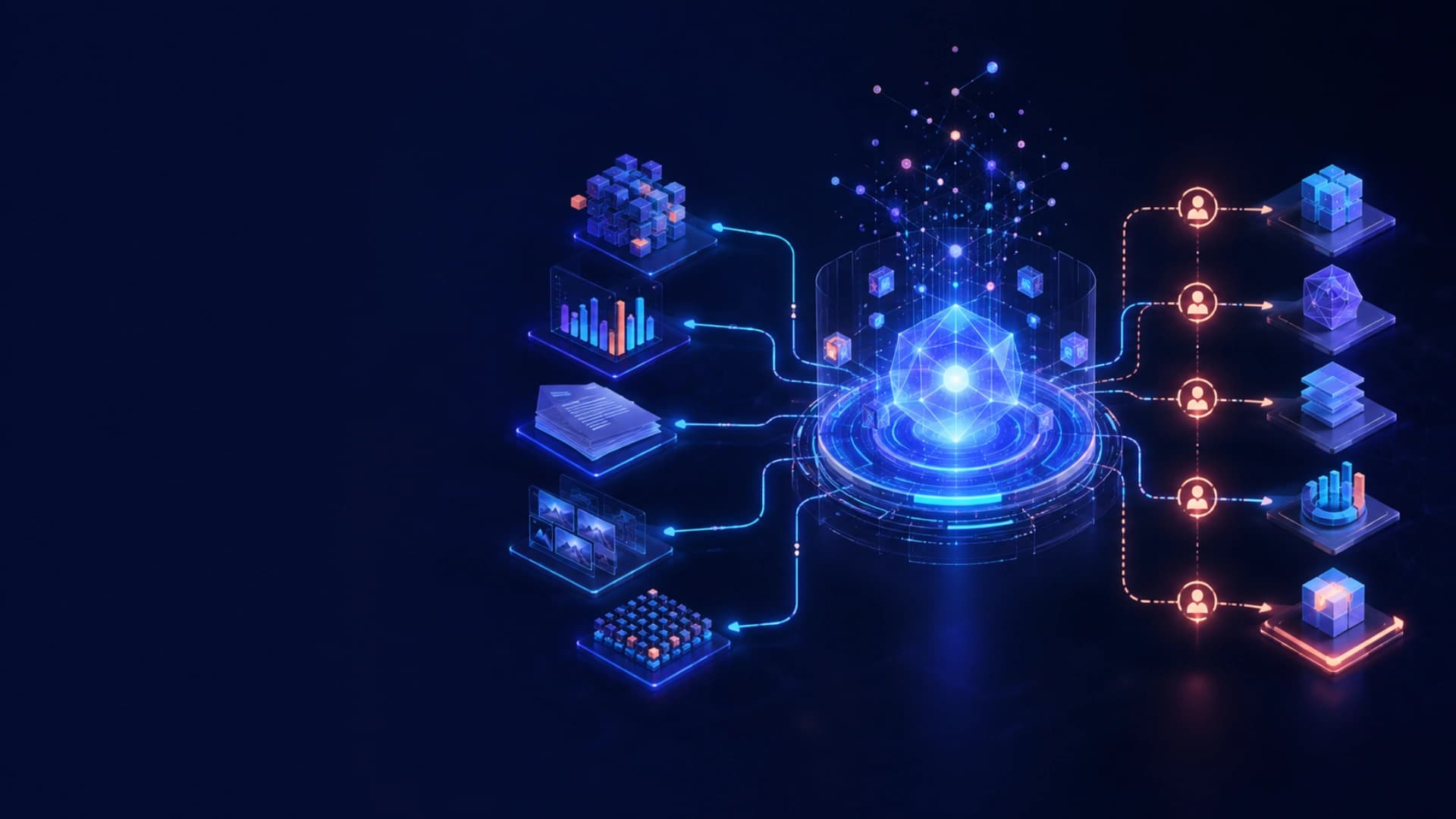
Google's answer is not to choose one side. It lays out three hybrid patterns. The first is A2UI over MCP servers: MCP handles tool connectivity and data access, while A2UI handles frontend component rendering. An MCP server can return application/a2ui+json instead of plain text, allowing the host to render forms, charts, or cards with its own design system.
The second pattern is running MCP Apps inside A2UI components. Some modules need deep customization, heavy state, or bespoke interaction, such as games, seat selection, or specialized workbenches. Developers can still use an iframe, but through a controlled A2UI wrapper that synchronizes important events with the outer agent state.
The third pattern is running A2UI inside MCP Apps, which lets legacy systems or non-A2UI hosts adopt agent-driven UI incrementally. That is practical for enterprises because many internal systems cannot be rewritten at once. If an MCP App carries its own A2UI renderer, dynamic controls and agent workflows can be added inside an existing iframe container.
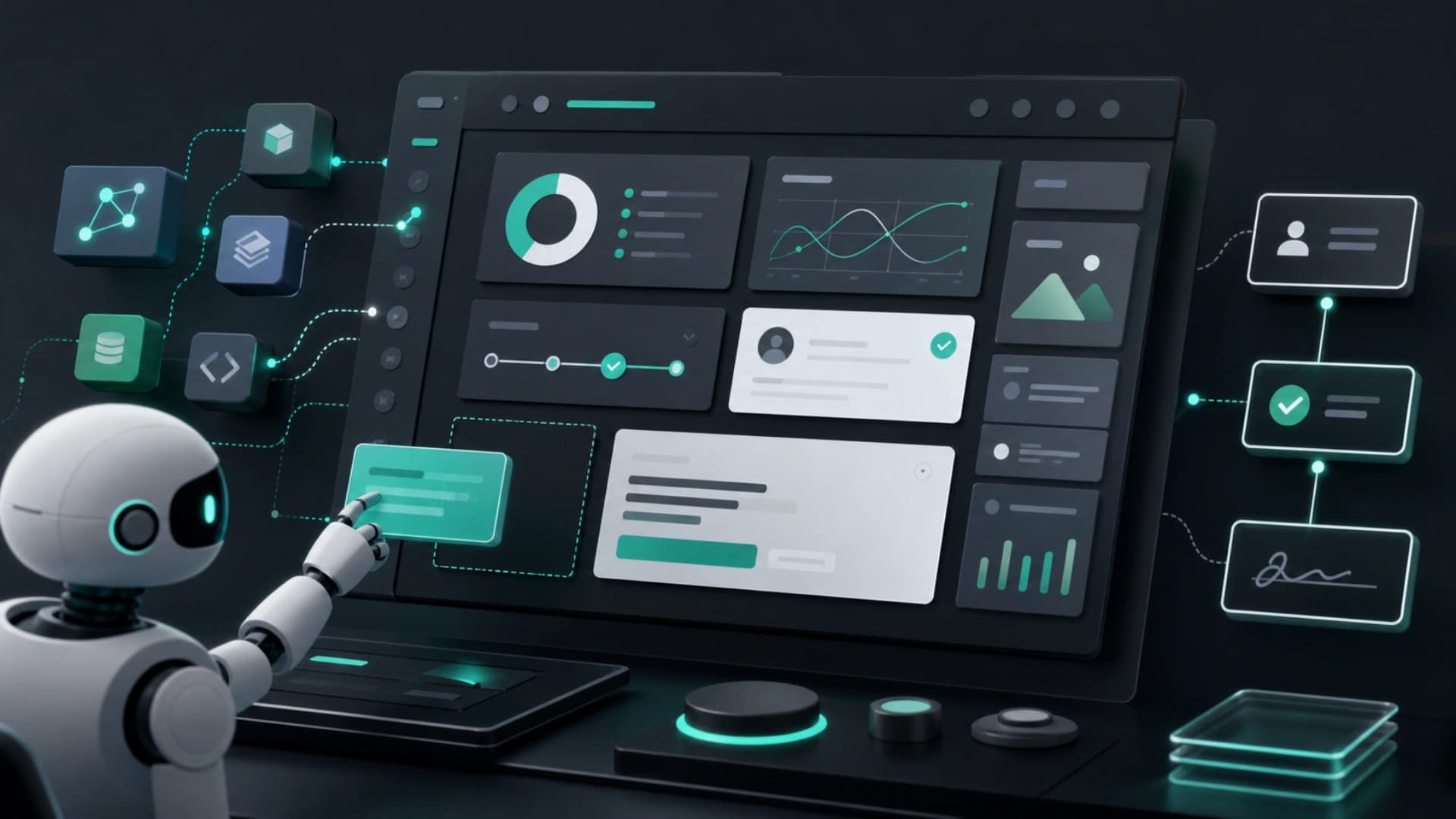
The useful part of the article is how clearly it separates the UI problem. A production agent should not only answer in text. It should hand over an actionable interface when needed: choose options, adjust parameters, approve actions, inspect charts, and confirm risk. Text is the entry point, but UI is the control surface for many workflows.
For enterprises and developers, A2UI + MCP Apps signals that agent platforms must handle security, design consistency, portability, and customization at the same time. The future competition in AI workflow will not only be about model quality. It will be about who can connect models, tools, data, and interactive interfaces into a stable product experience.