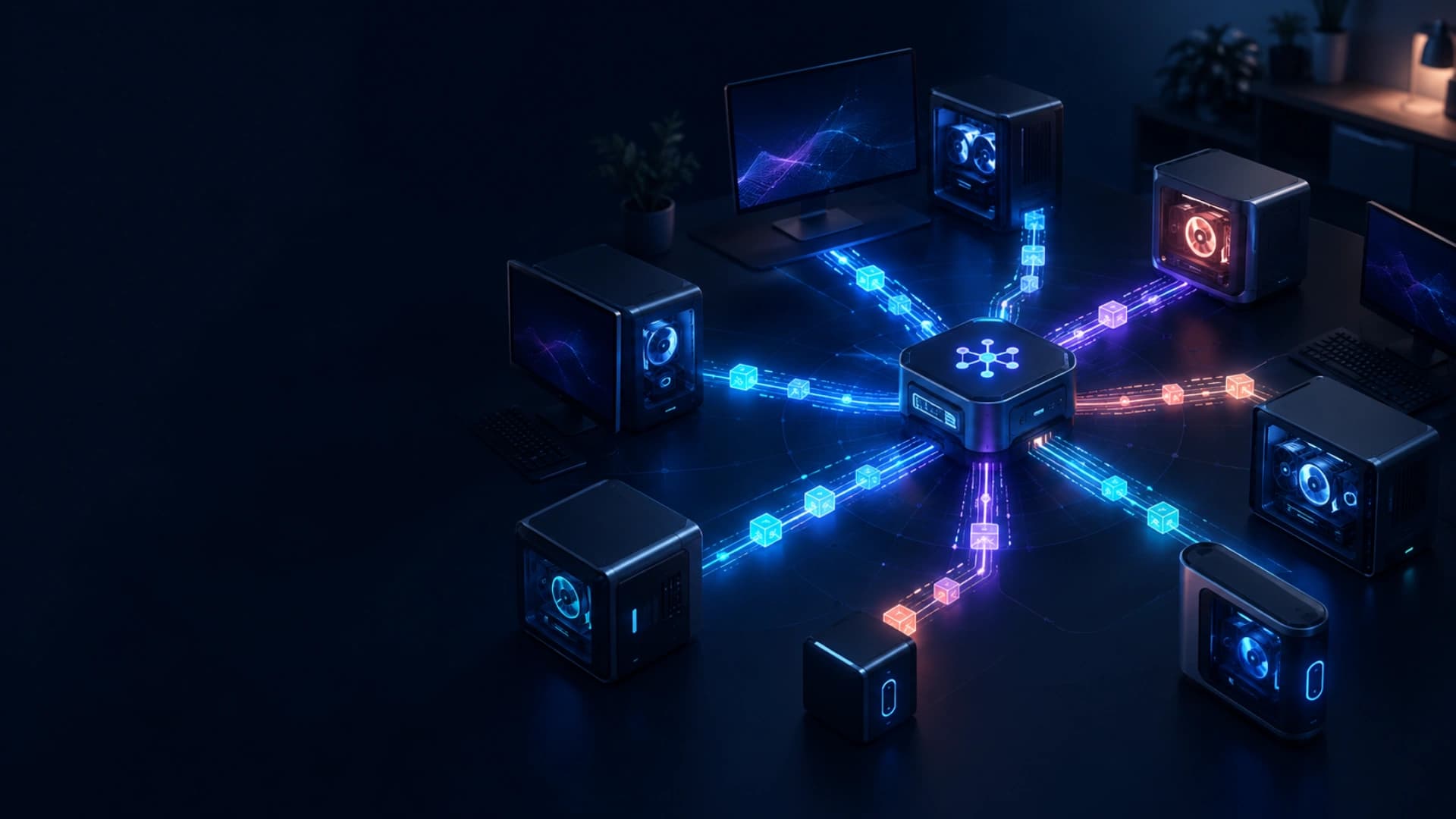
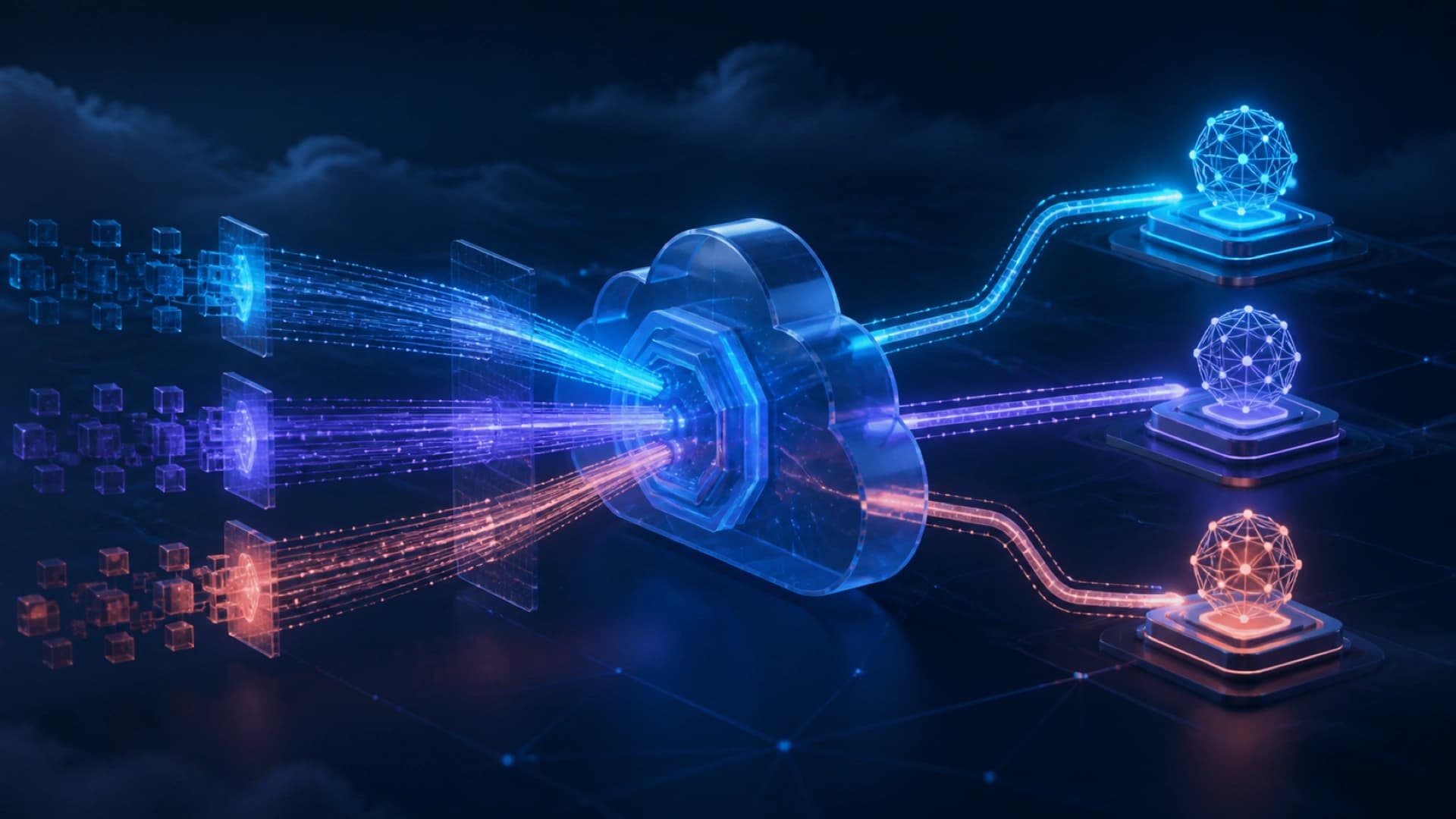
On August 4, 2026, Google announced that model routing for Google Cloud API Gateway is in Public Preview. It is a managed, serverless ingress layer that accepts OpenAI-compatible requests and routes them, according to configuration, to Gemini, Claude, or open-weight GPT models hosted on Vertex AI. Applications can keep one request surface while moving model selection and some provider-specific translation into the gateway.
A router can define a default model and multiple override rules. The application still sends a standardized chat request, while the gateway uses the model name in the request to select a backend and transcodes the OpenAI-shaped payload into the target model’s native schema. That reduces the need for each application to manage several SDKs, endpoints, and provider-specific authentication paths.
This is a natural fit for agent systems. An agent may switch between a faster model and a more capable model based on task type, latency, cost, or capability. When that logic is scattered across every client, testing and governance get harder. A common gateway can centralize rate limiting, token tracking, routing rules, and the API boundary while the application keeps ownership of task-level decisions.
Model routing is still a Public Preview, so it should not be treated as a finished cross-provider abstraction. Google’s documentation says that backends in one router must share the same host. The feature mainly changes the model and path behind a Vertex AI endpoint; it is not an arbitrary router across unrelated clouds. Tool calling, context limits, content policies, pricing, and output formats also remain different between models.
Teams therefore still need provider-specific validation. A successful route does not mean equivalent answer quality, and a fallback does not automatically preserve the same tool state. A safer design records the model, latency, tokens, errors, and output evaluation for each route, while keeping the preview service behind a replaceable boundary instead of binding the entire agent state to gateway details.
The broader signal is that the abstraction layer for model infrastructure is moving upward. Developers used to choose models mainly in application code; cloud gateways are now starting to own routing, transcoding, traffic management, and part of governance. That can lower the engineering cost of multi-model access, but portability still has to be earned through capability tests, cost policy, and failure handling in the application itself.