
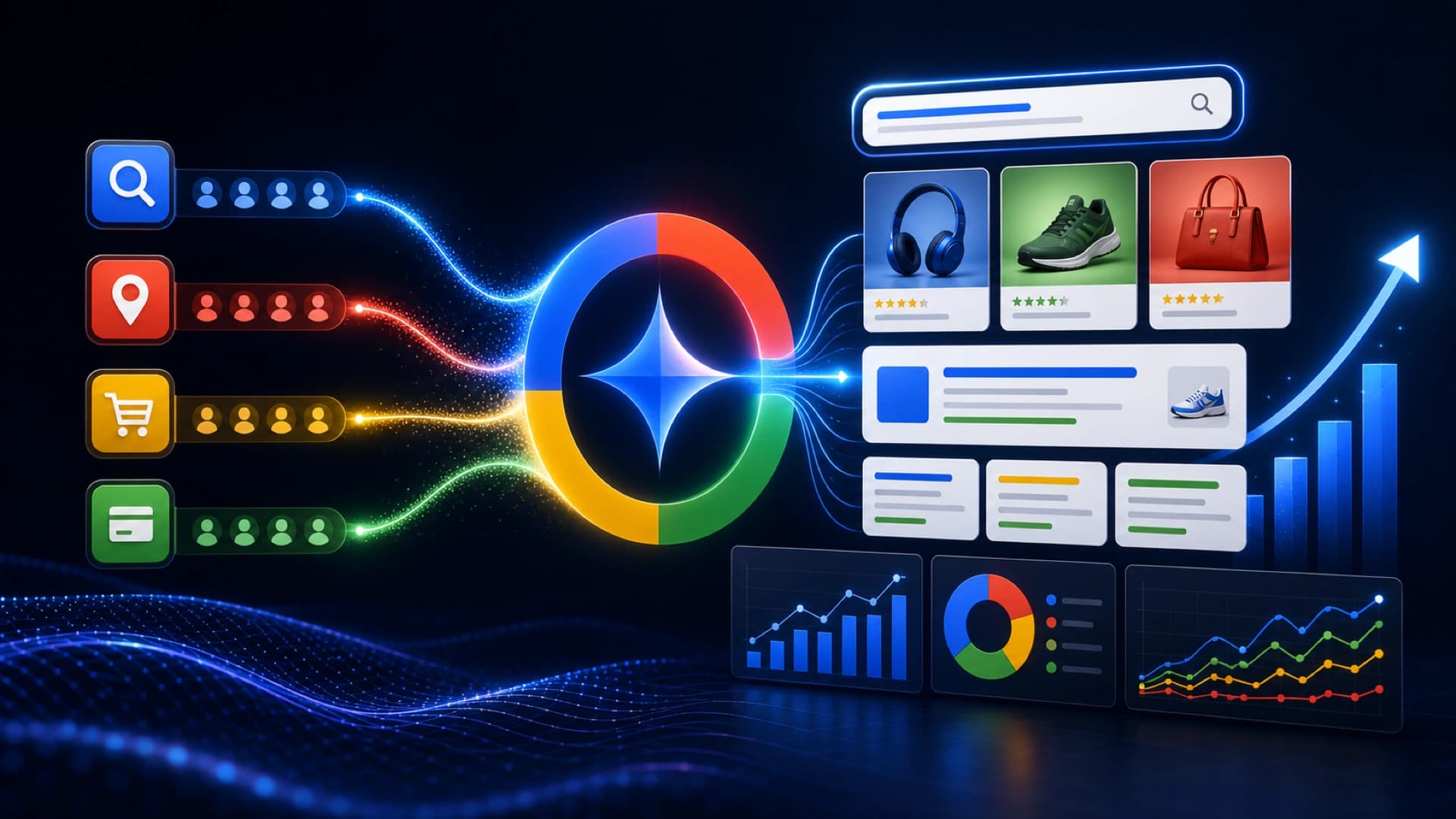
Google announced Ask Ad Manager on June 18, 2026. It is a multi-turn conversational AI agent inside Google Ad Manager, built with Gemini. The important point is not that Ad Manager now has a chatbot. It is that Google is putting an agent directly into a high-volume advertising operations surface.
The first capability is real-time troubleshooting. Publishers often need to generate reports, filter data, and manually inspect line items before they can understand why something is underperforming. Ask Ad Manager is designed to diagnose issues inside the workflow, provide guidance, and support follow-up questions that help unblock revenue.
The second capability is reporting by prompt. Publishers frequently need a specific metric, inventory view, or campaign comparison. Instead of manually building and stitching together reports, users can ask for a report, table, or comparative benchmark in conversation. That shifts a routine analytics task from dashboard assembly to intent-driven work.
The third capability is navigation. Ask Ad Manager can direct users to the relevant destination in the platform and load filters or settings based on the conversation context. That matters because the agent is not only explaining where to click. It is turning the conversation into an executable entry point for platform work.
Google says Ask Ad Manager will be available in beta this month, with new skills rolling out through the year. The developer roadmap is also notable: Google plans REST APIs and an MCP server for key trafficking workflows, making it easier for custom and third-party agents to connect with ad operations.
The broader signal is that agents are moving from general productivity into vertical SaaS operating surfaces. Advertising operations are dense with data, exceptions, reports, and recurring decisions. If an agent can safely use a publisher's own data to troubleshoot, generate reports, recommend next steps, and route users into the right settings, AI becomes part of the operating layer rather than only a writing or summarization tool.
Google also emphasizes that the agent is specific to each publisher and uses that publisher's own data while keeping users in control. That detail is central to vertical agent adoption. The closer an agent gets to business data and operational settings, the more important permissions, data boundaries, and auditability become.