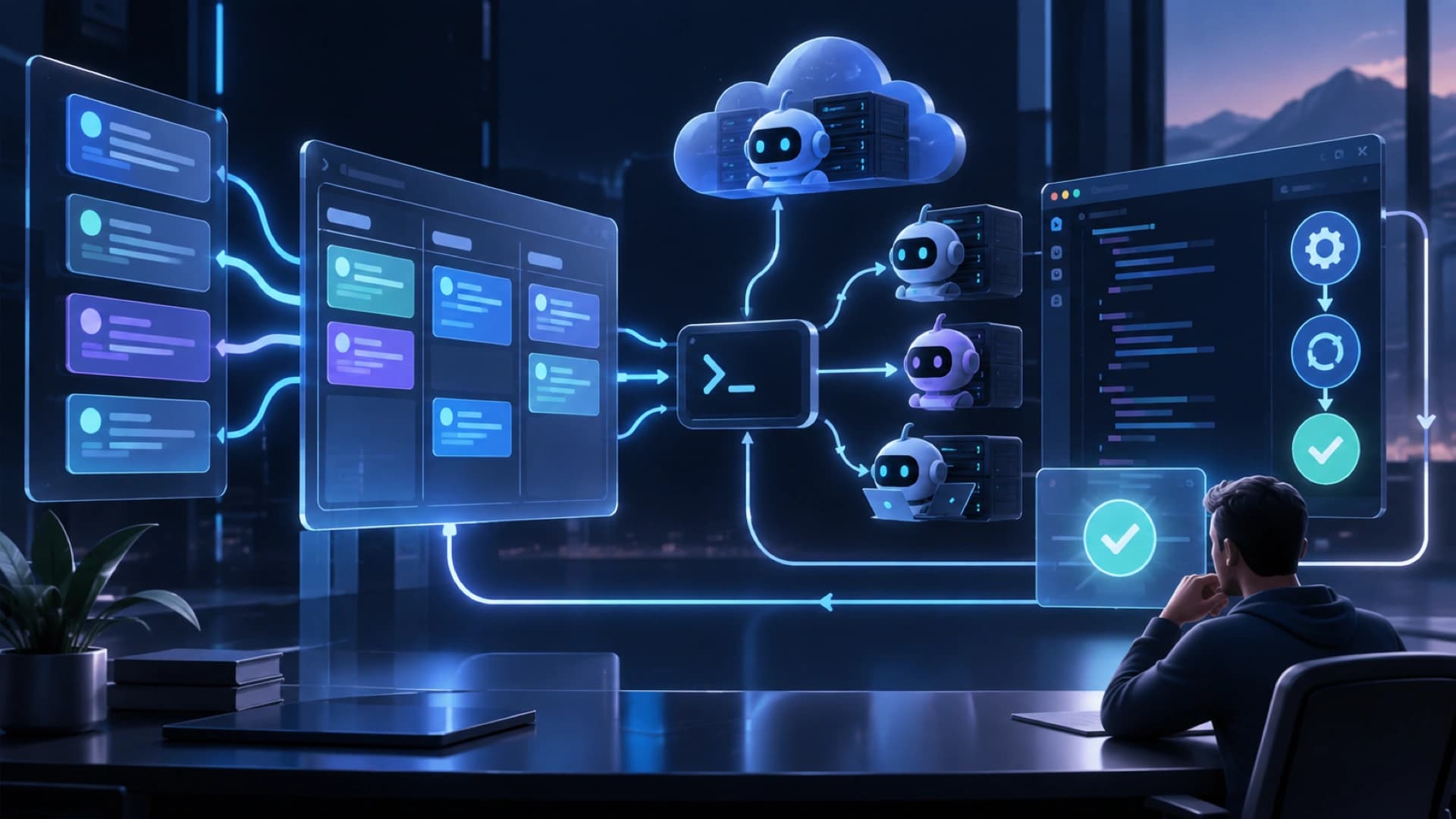
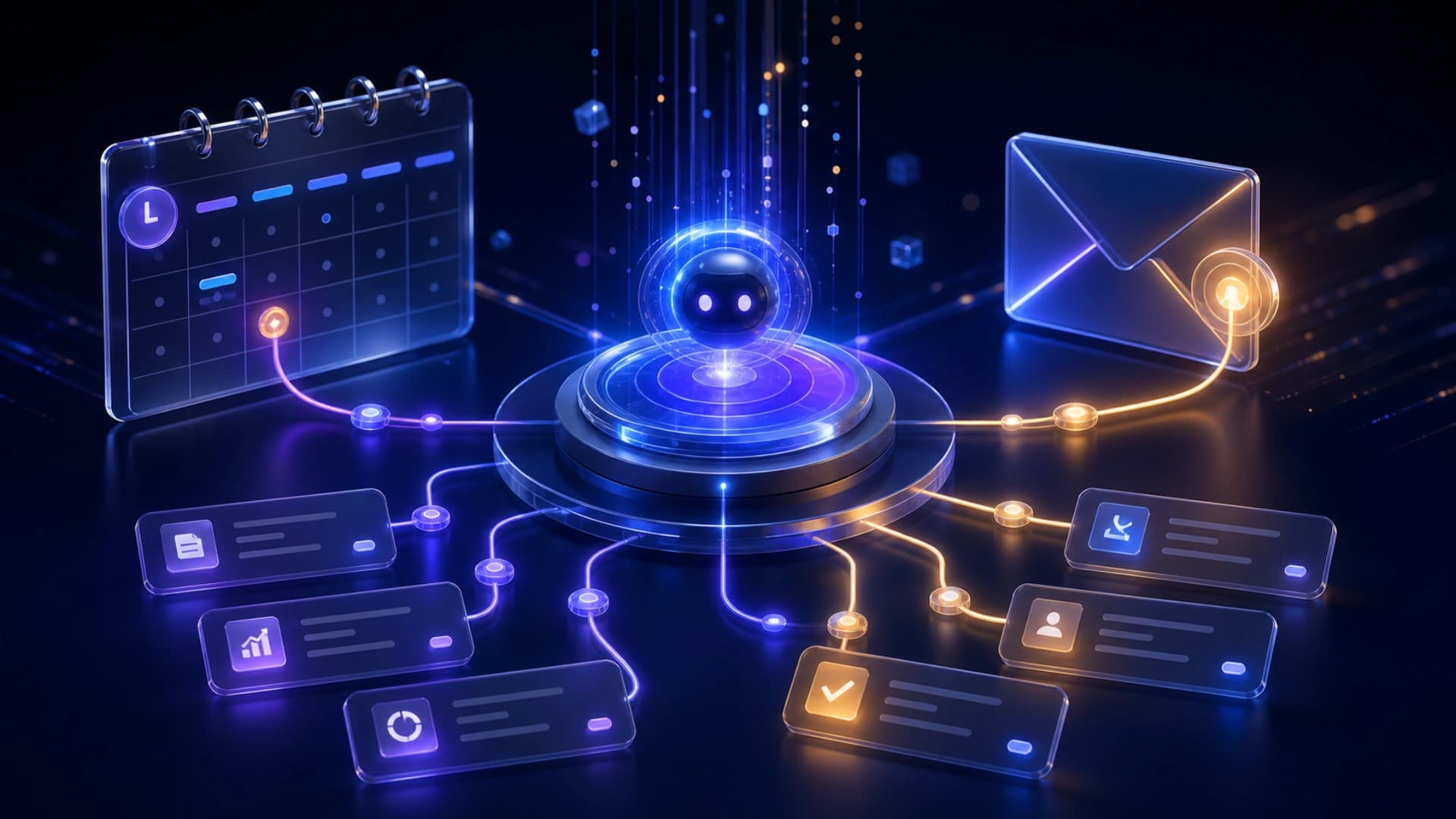
SpaceXAI introduced Grok Automations on July 16, 2026. Users describe a job once, choose a schedule or trigger, and let Grok run it later. The important shift is not another reminder feature. It is the move from an AI conversation that waits for a person to open it toward a workflow that waits for an event in the background.
The setup is intentionally conversational. A user writes the instructions like a normal chat message, attaches files for context, adds connectors and skills, chooses a mode, names the automation, and saves it. Each run starts a fresh request with the same instructions and current data rather than simply replaying the previous conversation's answer.
Schedule triggers can run once, daily, on weekdays, weekly, monthly, or yearly, using the timezone selected by the user. Email triggers can watch for incoming messages filtered by sender, recipient, or subject, then use the matching email as context for Grok's work. SpaceXAI also provides Run now so users can test an automation immediately after creating it.
The company describes every run as a full conversation and keeps a run history. Users can inspect a result, continue from an earlier run, and choose email notifications, app notifications, both, or neither. Automations can be paused, resumed, edited, or deleted. Scheduled automations are described as available to everyone, while email triggers are included with SuperGrok.
This design extends the value of an AI agent from a single answer into continuing work, but it also exposes the reliability questions that production systems have to answer. Teams using a similar pattern for reports, customer follow-up, or monitoring would need to define credential scope, duplicate-event handling, retry behavior, approval points for sensitive actions, and audit records. A job being schedulable does not mean that every run has the right data, permissions, or safety boundary.
Email triggers also make prompt injection and source trust important. An email can provide work context, but it should not automatically become a new authorization command. Sending externally, changing records, making payments, or deleting files should still require explicit confirmation. That is the line between an automation that knows when to start and an agent system that knows whether it should finish.
Grok Automations shows AI products moving toward schedulers, event buses, and run histories. The next competitive layer is not only which model answers best. It is which system can connect triggers, tools, data, notifications, and human approval into an observable workflow.