On August 21, 2026, xAI announced that Grok Bot would expand to SuperGrok Plus, Cursor Pro+, and all Cursor Teams plans. Grok Bot originally launched in beta on August 11, so this update is primarily an access expansion rather than a new model release.
xAI says Grok Bot is available through SuperGrok Plus, SuperGrok Heavy, Cursor Pro+, Cursor Ultra, and Cursor Teams Standard and Premium. Enterprise users still join a waitlist, which means the broader subscription rollout is not the same as immediate availability for large-company deployments.
The product positioning is direct. A Bot does not only write an answer in a chat box. It has its own cloud computer, browser, and terminal access, can sign in to the apps a user already works with, and performs the task in the real tool. xAI's examples include researching sales accounts, updating a CRM, processing invoices in Gmail, reproducing a website bug, handling support refunds, and working across business portals.
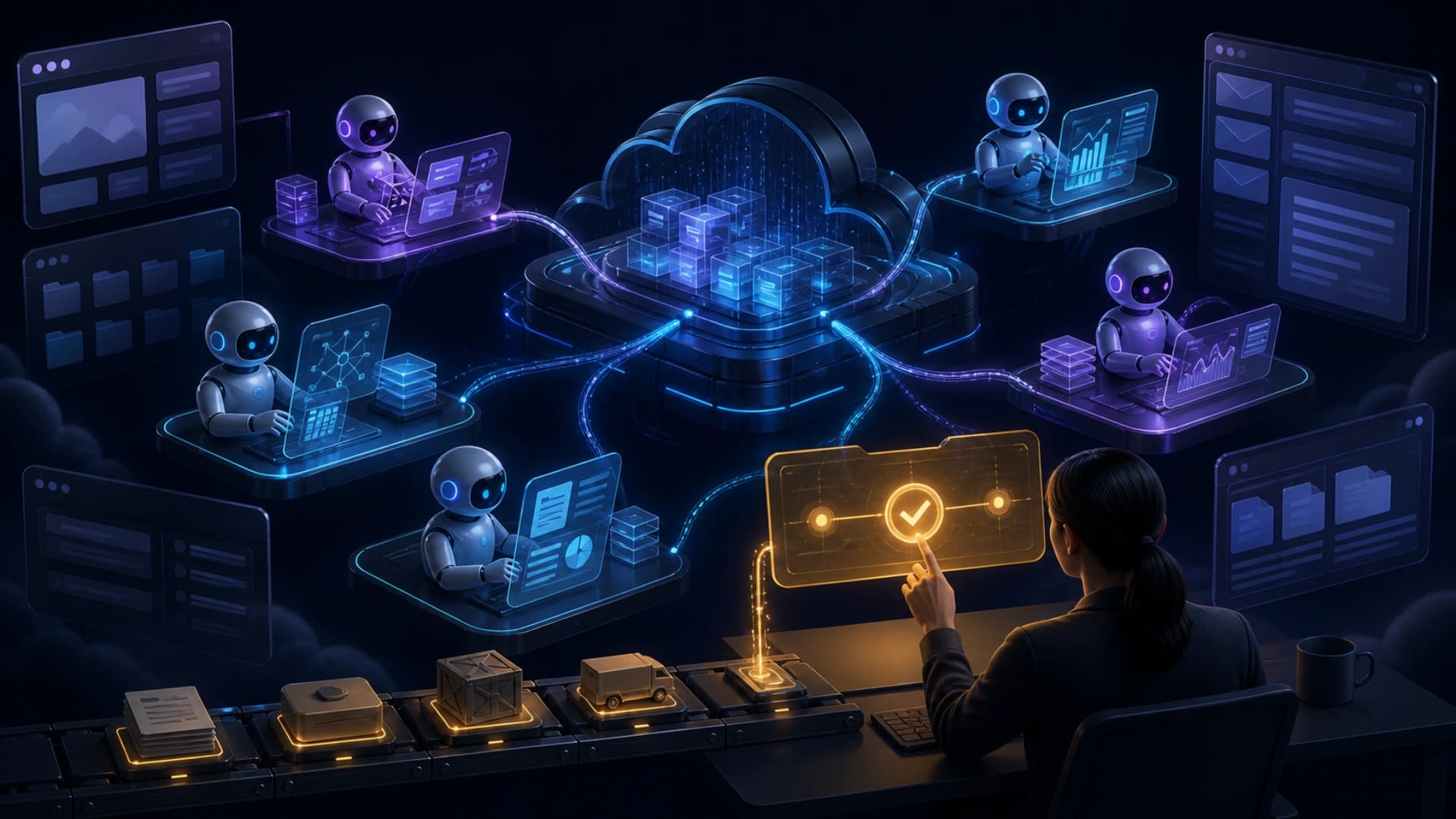
Grok Bot also supports multiple bots at once. A user can create roles such as researcher, writer, or chief of staff, place them in a group chat, and let work pass between them. That pushes an agent workflow beyond one person asking one bot for an answer toward several agents dividing work while a human handles judgment points.
xAI includes routines in the product story as well. A user can show a Bot how a job is done and ask it to follow the same method later. If that works reliably, the core interaction is no longer writing a perfect prompt every time; it is turning a one-off operation into a repeatable work habit. This remains a vendor description rather than an independently measured capability.
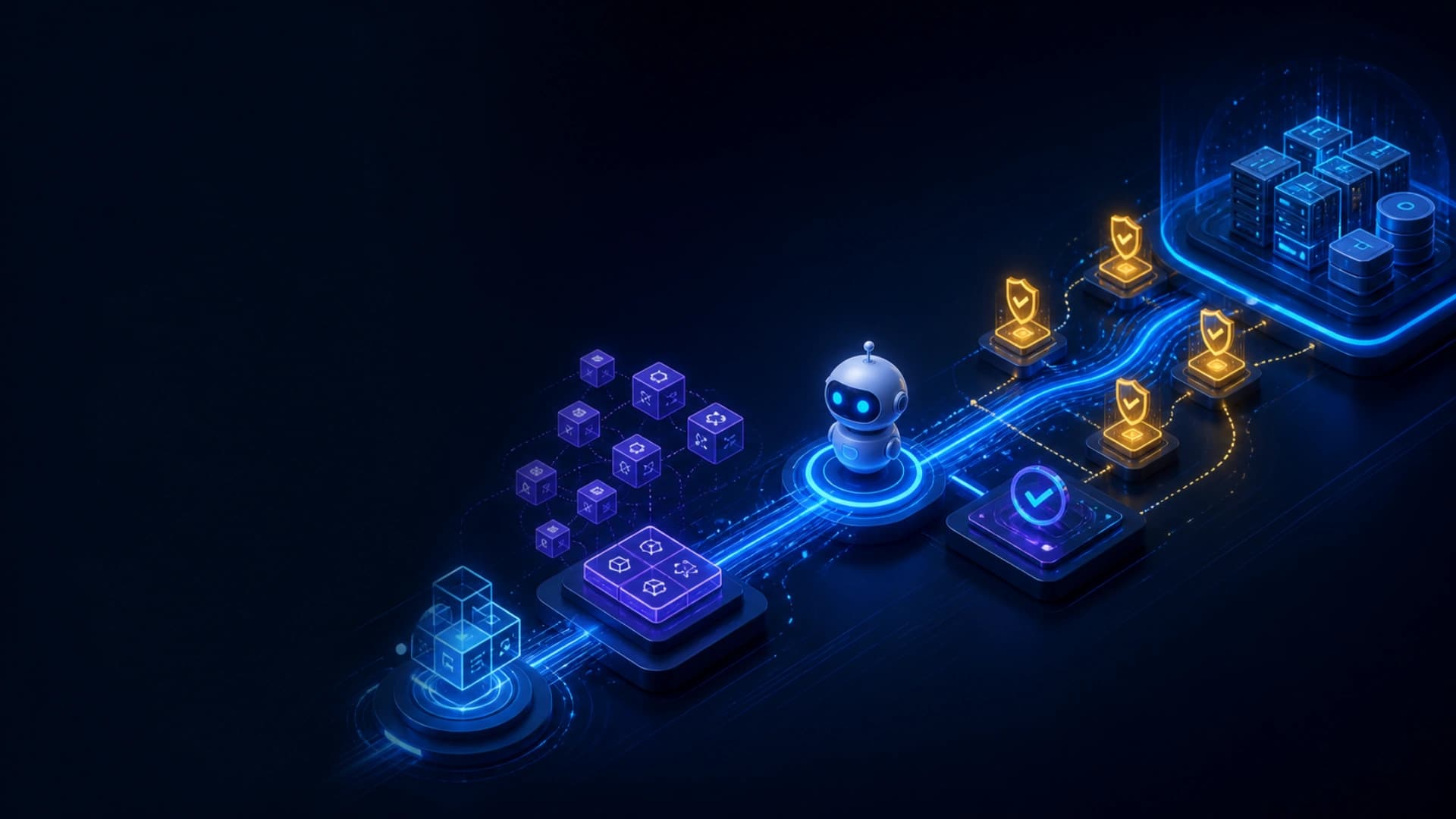
Humans remain in the loop. xAI says Bots return when judgment calls are needed and uses sales outreach, deletion or unsubscribe actions, website deployment, and refunds to illustrate approval boundaries. In an enterprise, those boundaries should be enforced by permissions, payment controls, account security, and incident records rather than by hoping the agent remembers to ask in a conversation.
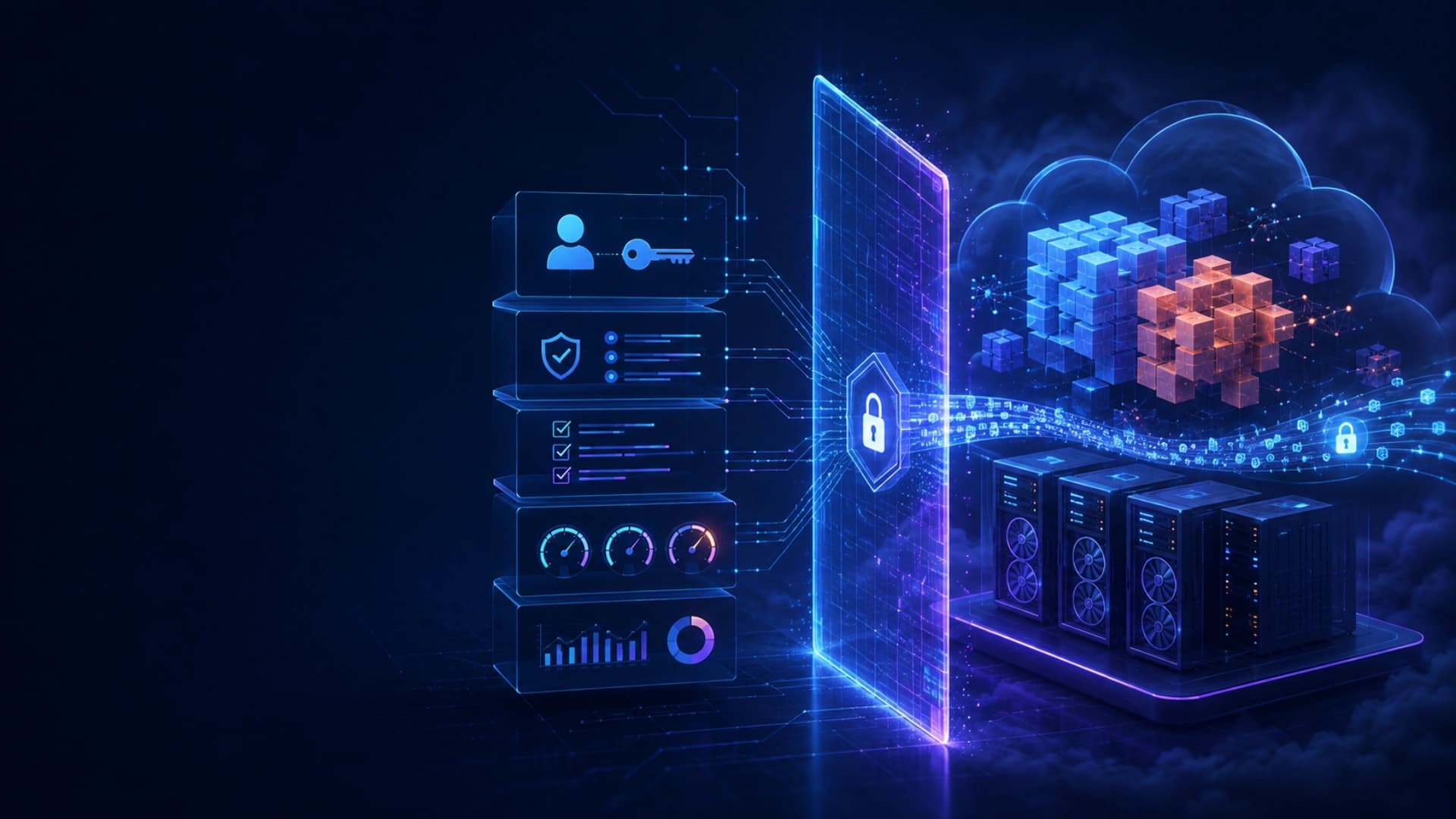
Giving an agent its own computer and access to sites without clean APIs opens more automation surface, but it also increases exposure to credential misuse, prompt injection, wrong submissions, and data leakage. A sensible deployment starts with reversible, observable, low-privilege tasks and adds separate approvals for login changes, outbound messages, payments, deletion, and publishing.
Grok Bot remains in beta, and the announcement is primarily a product description without cross-user completion rates or an independent safety evaluation. The important signal is that agents are being packaged as digital teammates that can own a function, not merely as chat tools. Long-term reliability will depend on permissions, approvals, observability, and recovery paths—not on whether one demonstration finishes successfully.