xAI announced on July 23, 2026 that Grok Build now supports Workflows, allowing a coding agent to do more than execute a task step by step in one conversation. It can turn a large request into a reusable orchestration workflow, fan the work out across hundreds of parallel agents, verify the results, and return one report from a background run.
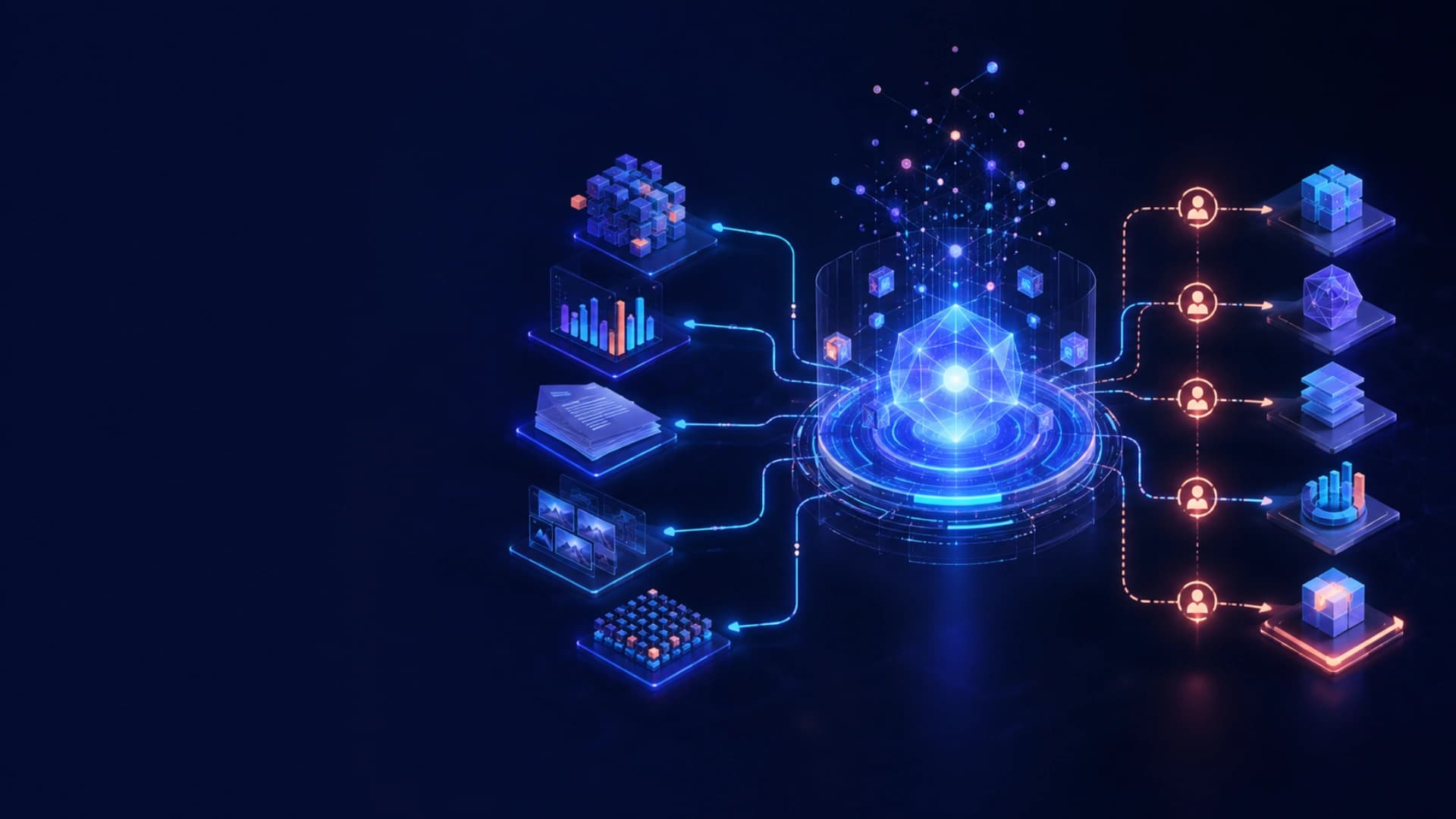
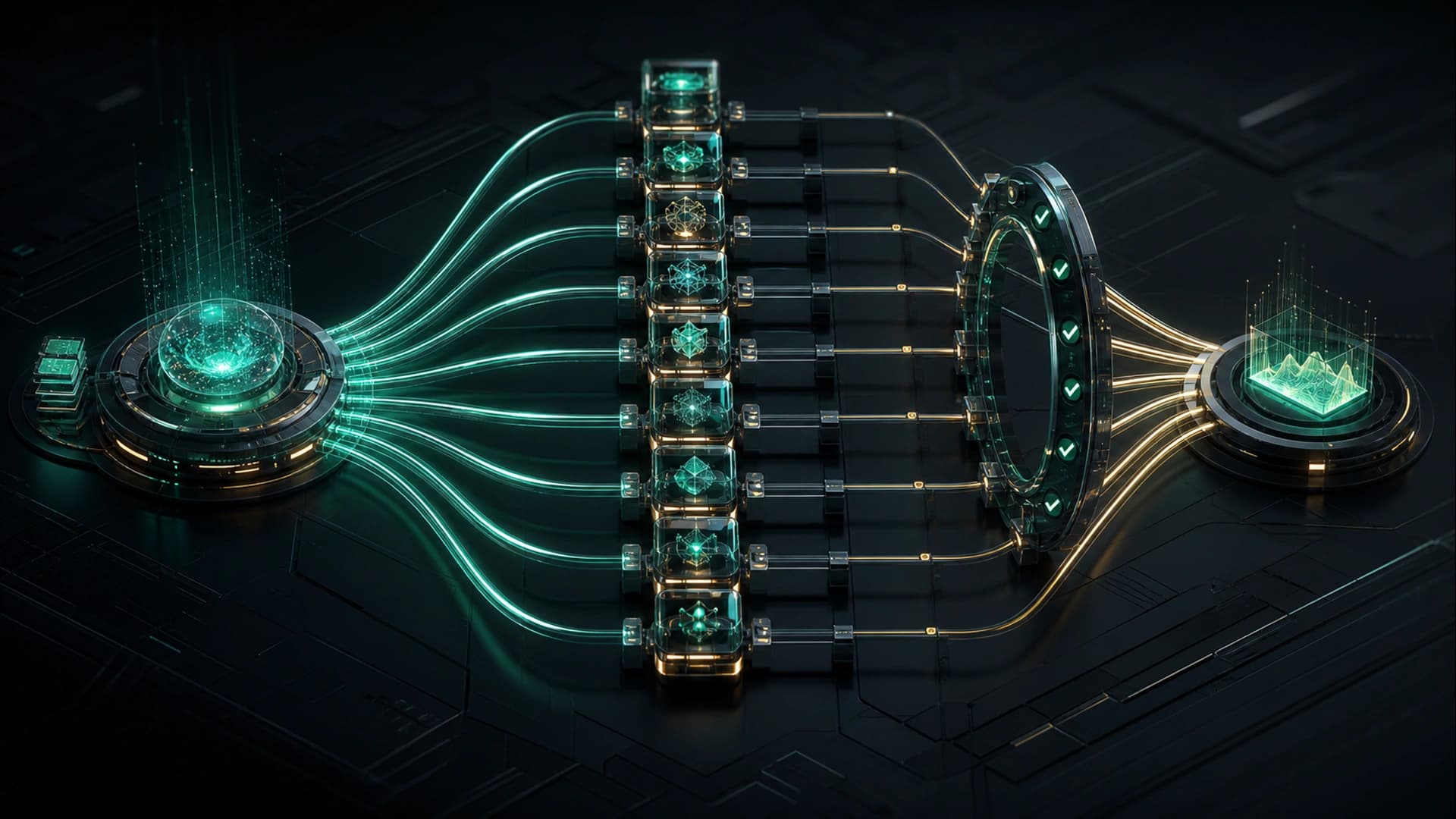
The important change is orchestration, not simply opening more agent sessions. Grok Build plans phases from a natural-language request, assigns work to agents, and rolls their results up through the workflow. xAI’s example is a large pull-request review: gather context, send different agents to inspect features, risks, and regressions, use an independent skeptic to verify findings, and synthesize a ranked report.
xAI says a run can budget up to 128 agents, with up to 1,024 for large jobs. Those are product-announcement capability descriptions, not a promise that every account, region, or task will receive the same quota. Larger fan-out also makes context management, API rate limits, data permissions, and error aggregation harder.
Workflows preserve execution progress as well. The announcement says a run can be paused and resumed without repeating finished work. A completed workflow can be saved in .grok/workflows/ as a team-shared slash command that accepts new arguments on the next run. That makes the artifact closer to a small workflow program than a one-off prompt.
For engineering teams, fixed decomposition and verification steps can make recurring work more consistent. They also create governance questions. A shared workflow may share repository context, connectors, MCP servers, and output permissions; without explicit read and write boundaries, reuse can amplify a bad configuration.
Verification is placed inside the workflow, with independent reviewers checking findings before synthesis. That is a stronger pattern than asking one agent for a final answer, but verification is still a process design rather than a security boundary. Teams still need their own tests, permission isolation, secret redaction, human approvals, and audit logs, and they should check that the verifier is not repeating the same mistaken assumptions.
Cost is another practical limit. Parallel agents may reduce waiting time, but every branch can consume model tokens, tool calls, and storage. A safer rollout starts with a maximum agent count, time budget, stop conditions, and human escalation path, then measures which phases actually justify parallel execution.
Grok Build Workflows shows coding agents moving from “finish this change” toward “plan, execute, verify, and report on a set of related tasks.” That direction is useful for code review, issue triage, and security audits, but adoption should be tested against a team’s own repositories, tool interfaces, and cost data rather than inferred from a product demonstration.