Microsoft announced the general availability of Azure Copilot Observability Agent on June 23, 2026. Built on Microsoft Azure Monitor, the agent is designed to connect signals across agents, applications, infrastructure, and services so operations teams can understand issues in more dynamic and autonomous software environments.
The backdrop is that cloud systems are becoming more agentic. Applications, models, APIs, and infrastructure increasingly depend on one another. Failures are no longer isolated to one service. They emerge through interactions across dependencies, environments, and time. As change accelerates, it becomes harder for humans to piece together context across separate dashboards quickly enough.
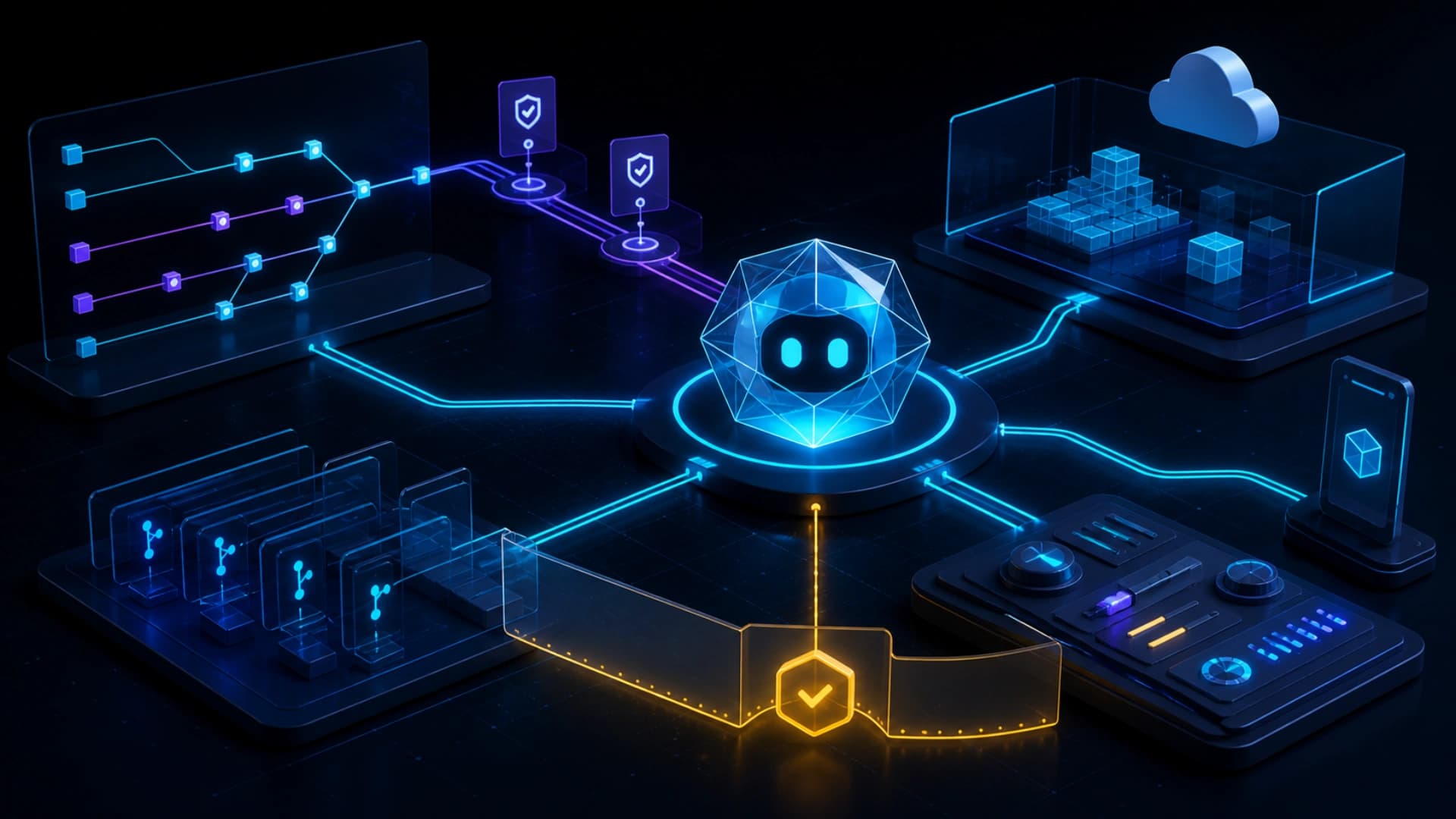
The Observability Agent is designed to help operators move from detection to understanding. It connects logs, metrics, traces, topology, and operational context to identify root causes and turn fragmented telemetry into a more coherent operational view. Microsoft frames this as part of agentic observability.
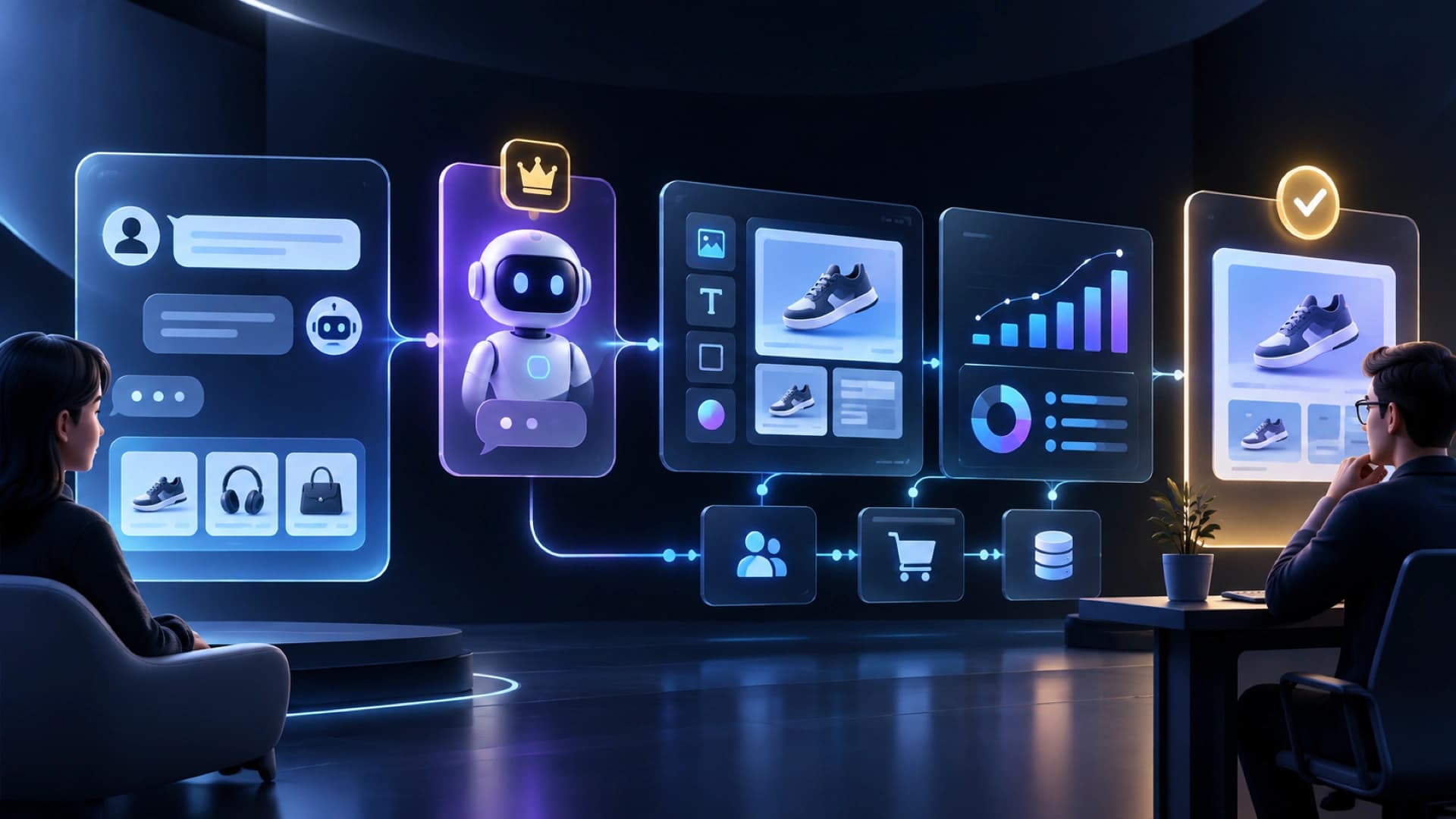
What is notable is that Microsoft does not describe observability as simple monitoring. In an agentic operations model, systems generate signals, agents interpret those signals, take action, and learn from outcomes. That creates a feedback loop in which each operational cycle can improve the next. The center of gravity moves from seeing what happened to understanding, recommending, fixing, and accumulating operational experience.
Microsoft also points to customer examples where the Observability Agent turns logs, metrics, and traces into more understandable insights and remediation recommendations. That is practical for large cloud teams because the incident-resolution bottleneck is often not a lack of data. It is fragmented data, weak correlation, and insufficient context.
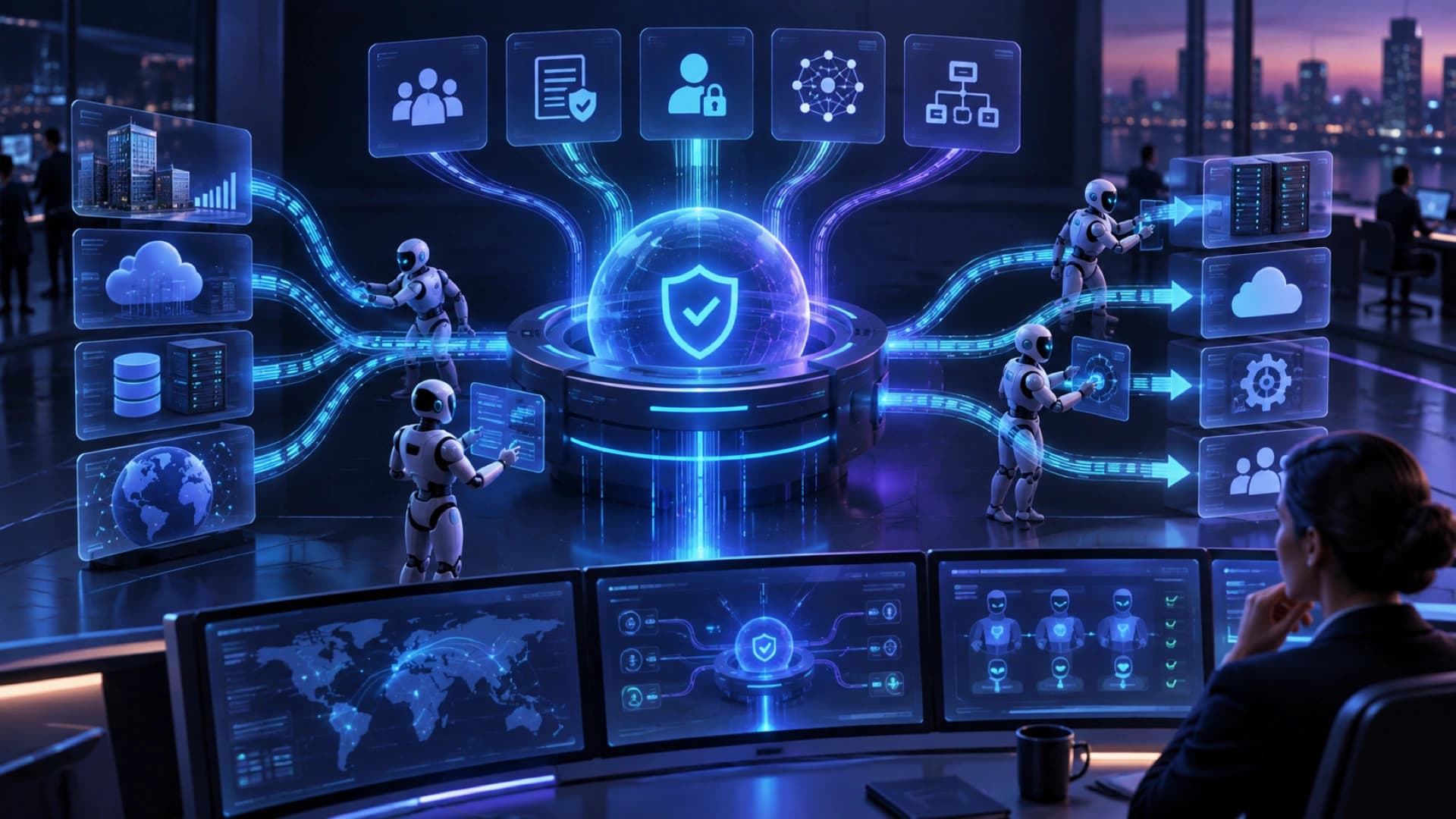
This kind of agentic operations also creates a governance problem. Microsoft emphasizes policy, auditability, guardrails, and human oversight. The reason is straightforward: when agents begin interpreting operational state and recommending or triggering action, organizations need confidence that those actions stay within defined boundaries and leave auditable records.
The broader signal is that AI agents are not only entering content, productivity, and coding workflows. They are entering cloud operations. The future of reliability tooling may not be more charts alone. It may be the ability to bind telemetry, topology, incident history, remediation guidance, and governance controls into one agentic lifecycle.