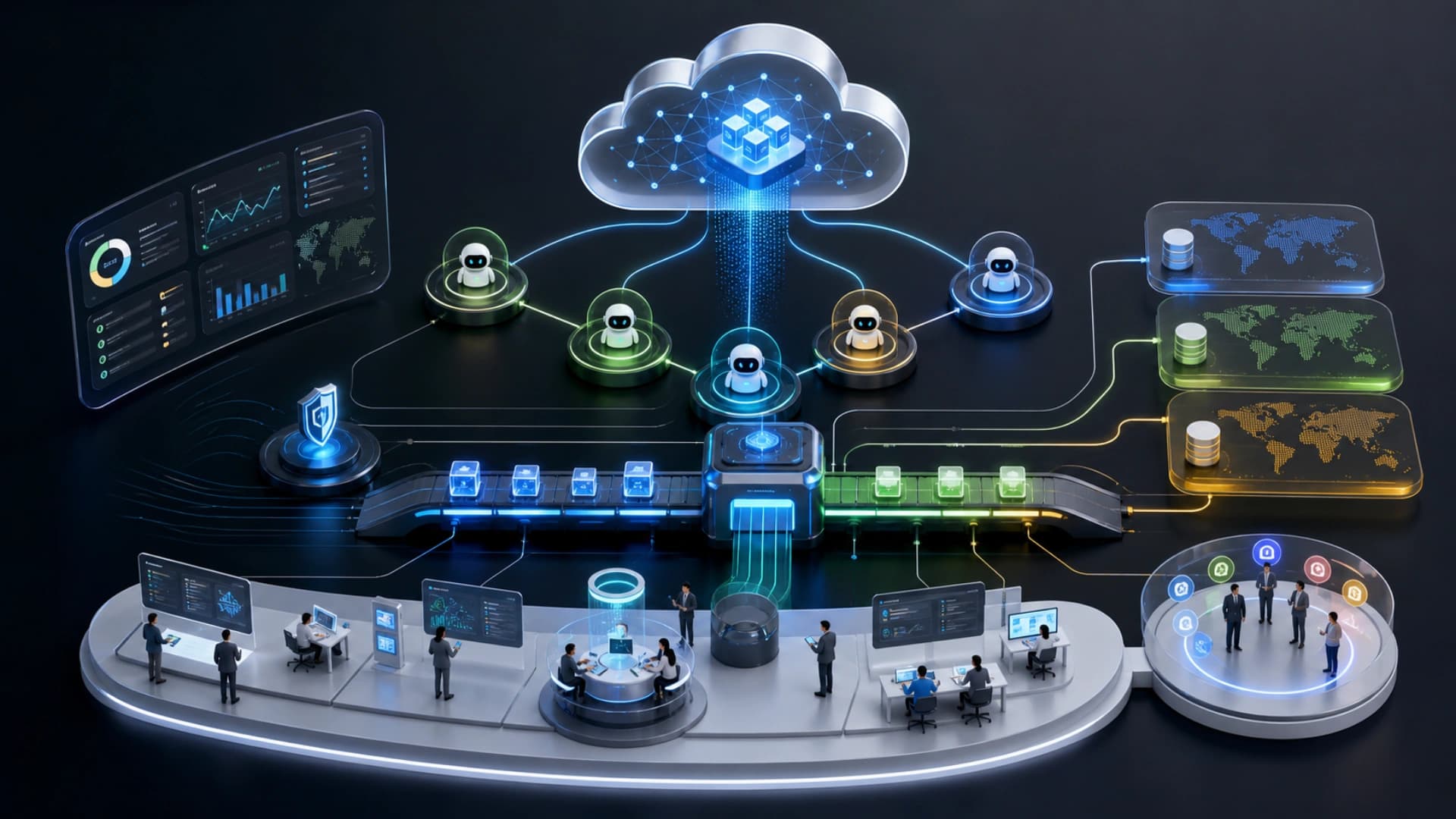
Microsoft published a Foundry update on July 9, 2026. The important part is not another agent demo. It is the bundling of enterprise agent runtime, model choice, data residency, governance, observability, and distribution into one platform. That signals a shift from agent experimentation toward systems that have to be operated reliably.
The first update is model access. GPT-5.6 Sol, Terra, and Luna are now generally available in Microsoft Foundry Models and Foundry Agent Service. Microsoft maps the models to different workloads: Sol for the hardest reasoning, coding, and agentic workflows; Terra for everyday performance and cost balance; Luna for high-volume, latency-sensitive use. That tiering matters because production agents should not use the most expensive model for every step.
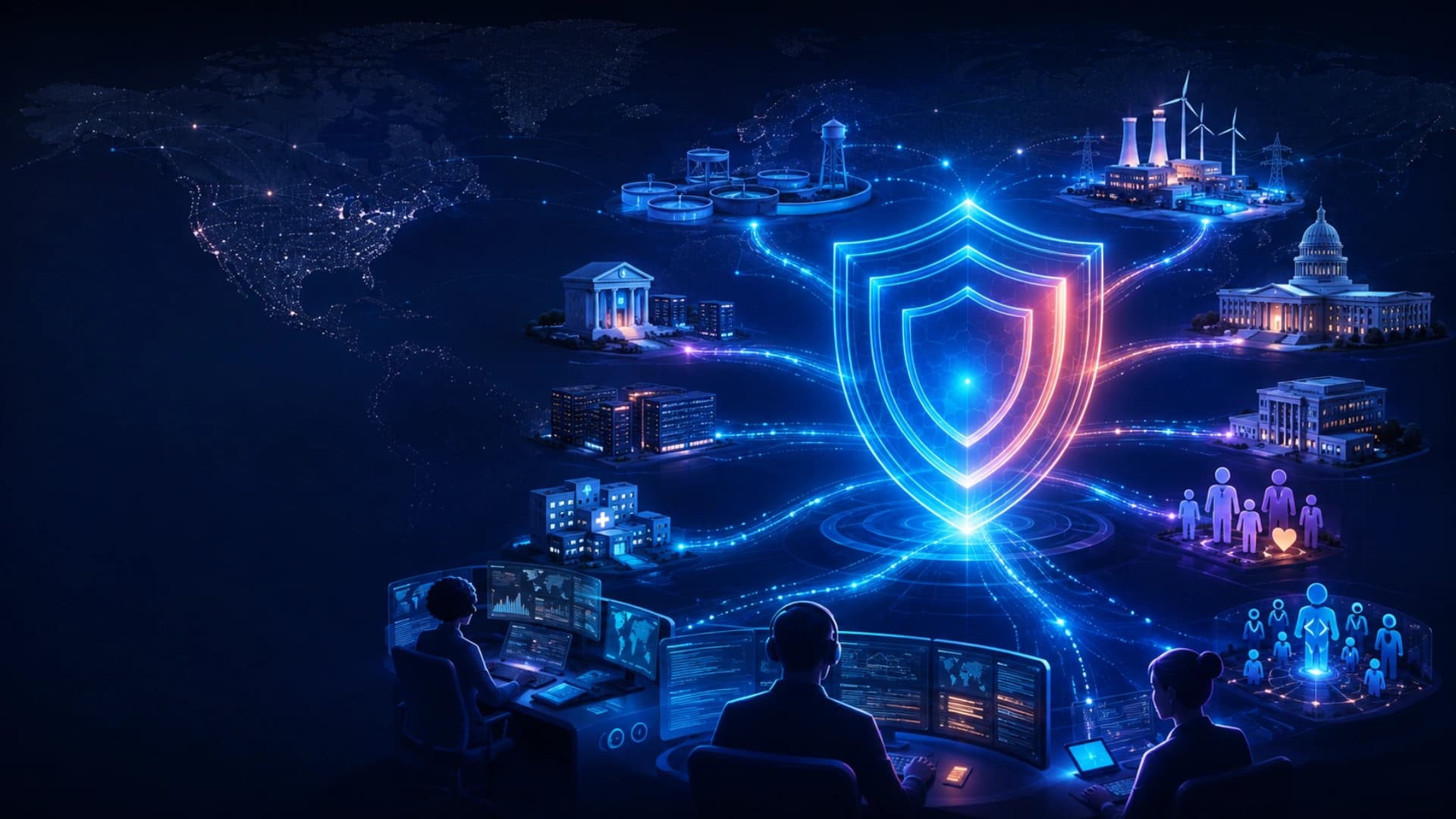
The second major update is general availability of the Asia-Pacific Data Zone. For APAC organizations, especially in finance, healthcare, public-sector-adjacent work, and cross-border operations, model capability is only half the issue. The other half is where data is processed, how compliance is handled, and whether the same operating experience works across regions. Microsoft says APAC customers can run frontier OpenAI models while keeping data processing within the region.
On the runtime side, hosted agents in Foundry Agent Service are now generally available. Microsoft positions them as a production runtime for agents built with any framework or harness, including Microsoft Agent Framework, GitHub Copilot SDK, LangGraph, OpenClaw, and others. The post also highlights network isolation, VNet integration, and private preview resilient task support so long-running, multi-turn, human-approved agent work can recover from failures.
The signal is clear: the hard part of enterprise agents is not only whether they can answer. It is whether they can run for a long time, access tools safely, recover from failure, and place humans at the right approval points. Microsoft puts memory, routines, event-based triggers, toolboxes, and publishing to Teams and Microsoft 365 Copilot on the same path, which makes agents look more like deployable units of work.
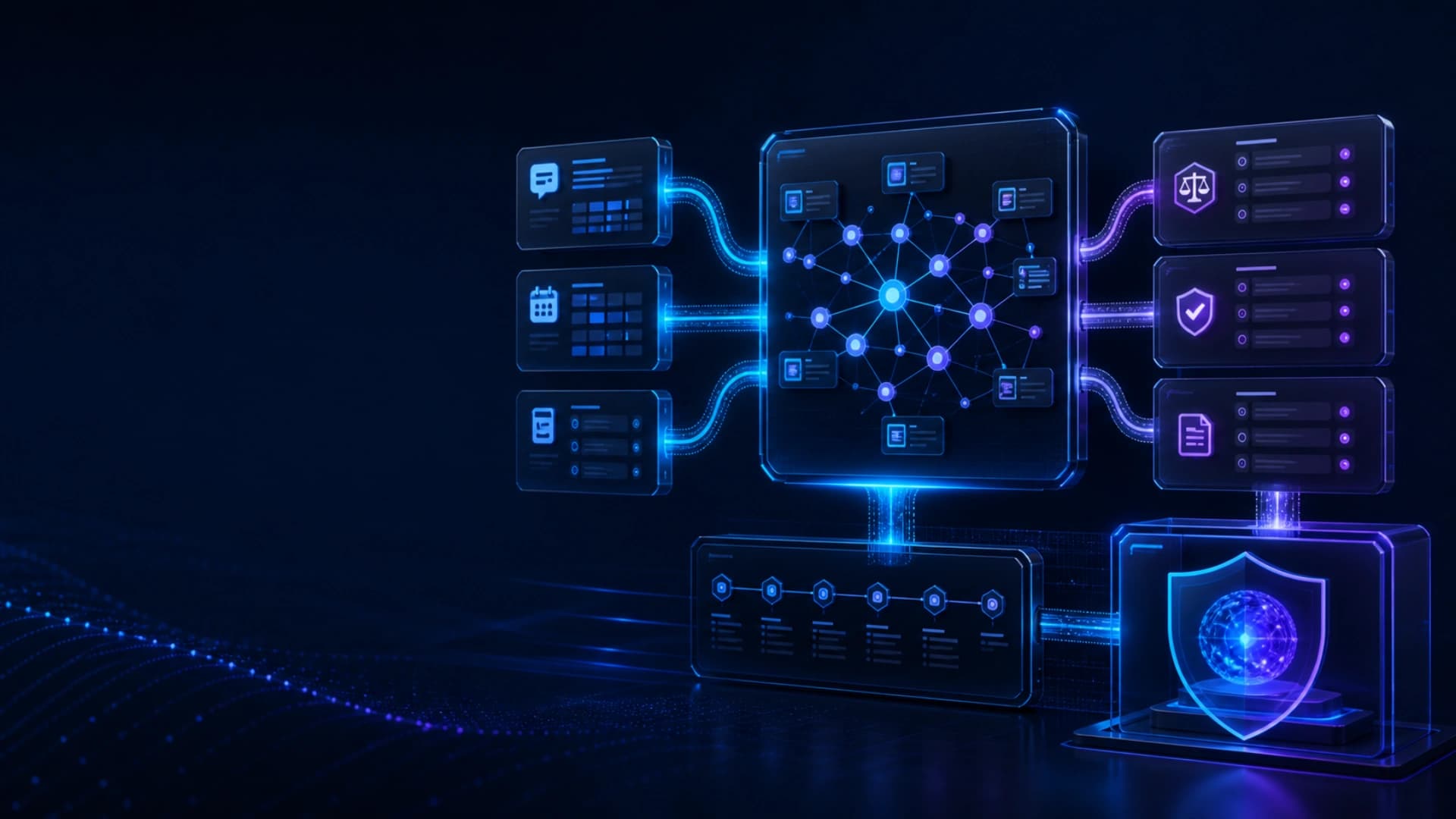
Governance is central to the update. Microsoft says tracing and evaluation for hosted agents are generally available, agent optimizer is in public preview, and ROI for agents is in private preview. Together, these capabilities are meant to show what an agent did, why it failed, how teams should tune prompts, skills, models, and tools, and whether operating cost is justified by business value.
The production examples are also telling. Adobe, Telefónica, and Tata Consultancy Services are presented as organizations already building on Foundry. The common thread is not a single model feature. It is the need to connect agents with existing apps, enterprise data, network operations, evaluation loops, and cost controls.
The larger point is that agent platforms are moving from "developers can build an agent" to "enterprises can operate agents." Once hosted runtime, tool access, knowledge, memory, tracing, evaluation, ROI dashboards, and Microsoft 365 distribution become one package, AI adoption starts to look like systems engineering, not just prompt engineering.