
Microsoft published its third Responsible AI Transparency Report on September 1, 2026. The report is not only a review of model safety. It treats the rapid expansion of agentic AI as a reason to change governance: systems can retain memory, use tools, access data, and take actions on behalf of users, so risk no longer belongs to one model or application alone.
Microsoft groups the past year's work into adaptive governance and technical risk management, practical tools and capabilities, and shared practices and partnerships. The company says these investments address five trends in AI, including agentic AI. This is Microsoft's own transparency report, not a cross-company standard and not evidence that an outside auditor has confirmed every practice it describes.
At the governance level, Microsoft says it re-engineered its Responsible AI Standard around technical-stack components such as models, platform services, and applications, together with the role Microsoft plays at each layer. Core requirements remain consistent, while scenario-specific controls can change as capabilities, use cases, risks, and regulations change. That is a closer fit for agents than a fixed model checklist.
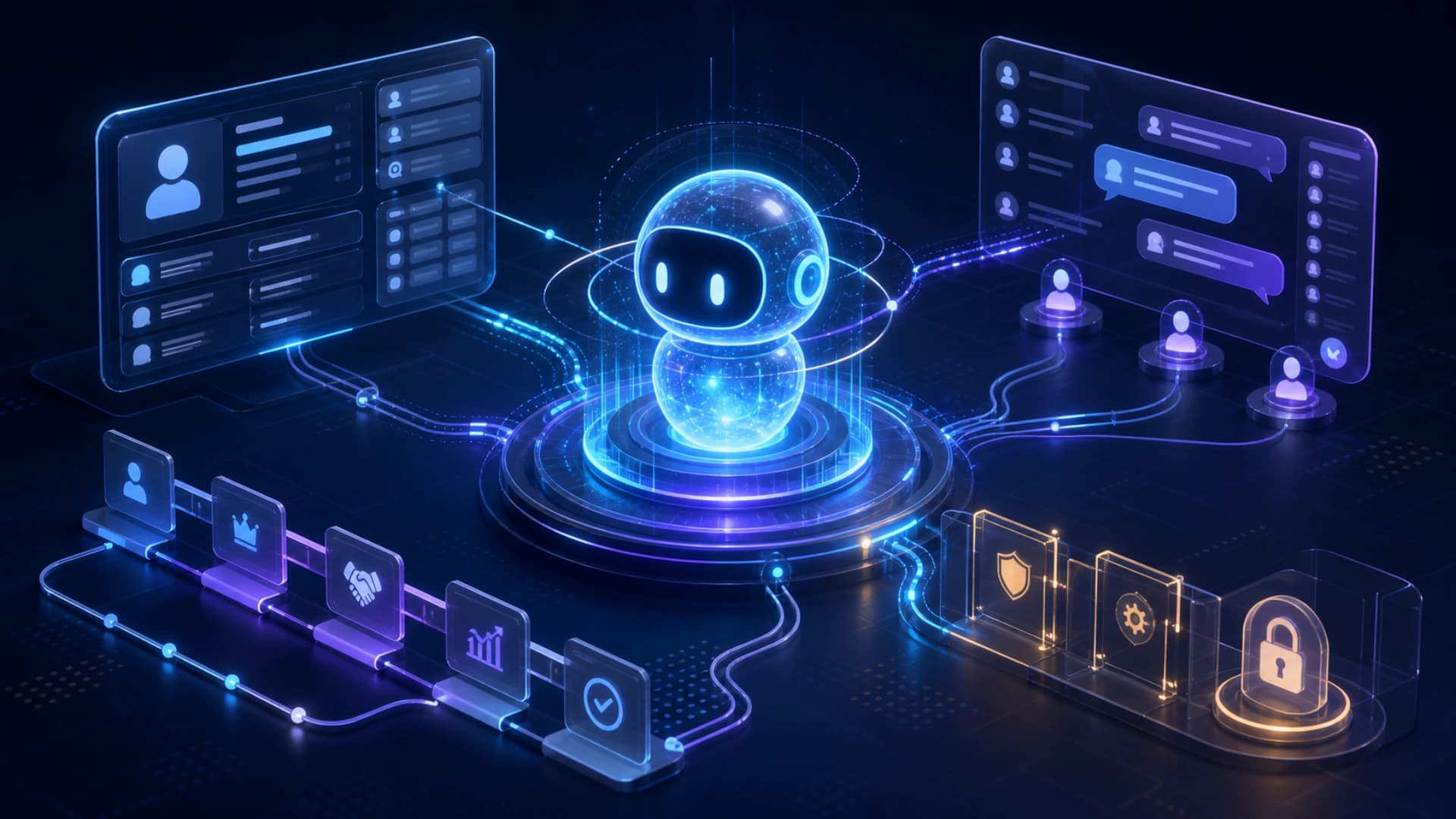
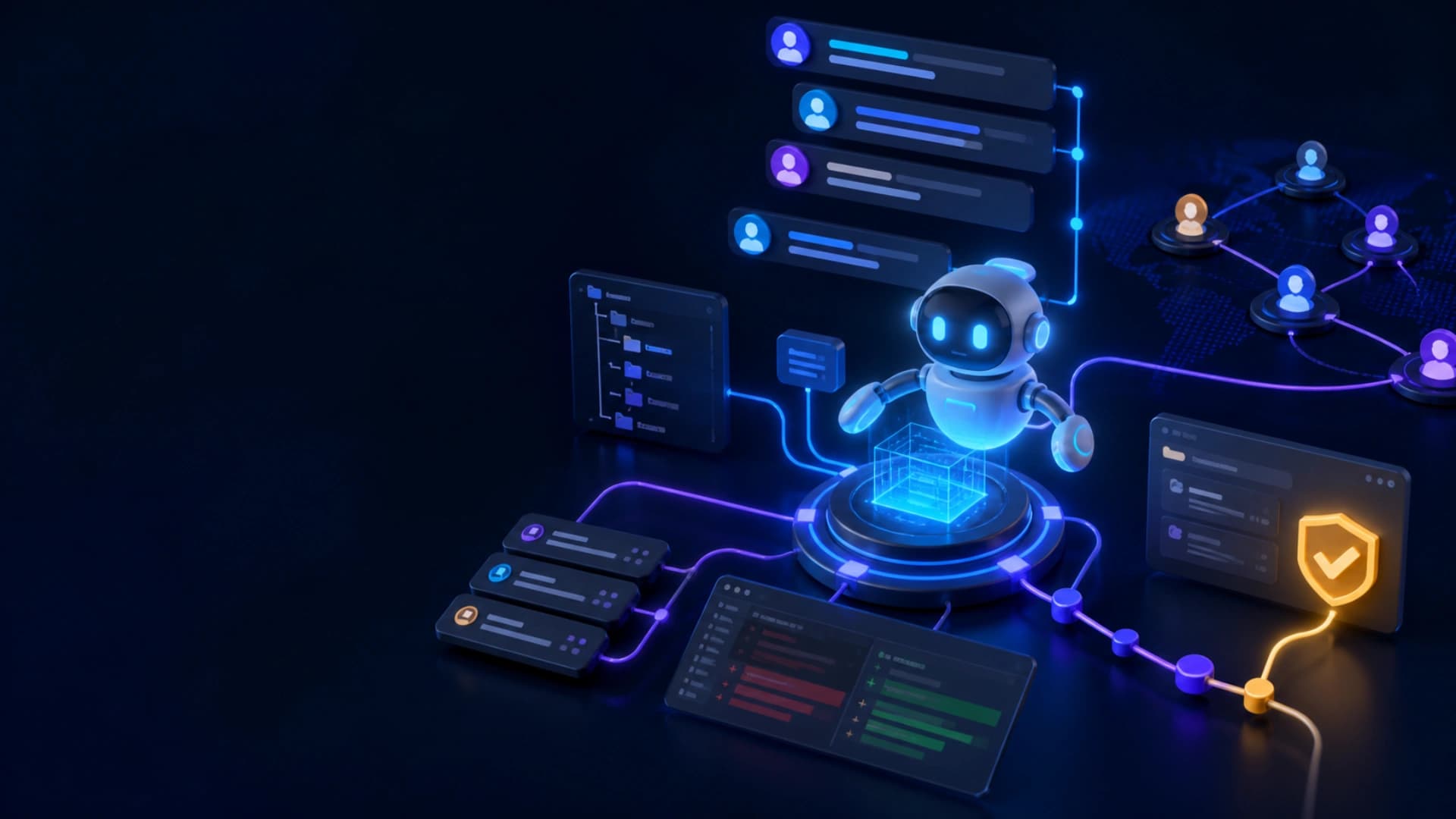
The report says agent governance has to cover interactions among models, agents, applications, tools, data, and people. Microsoft highlights controls such as agent identities, tool permissions, and action monitoring. The distinction matters: even if the model refuses harmful prompts, a wrong identity binding, overbroad tool permission, or unlogged action can still put the whole workflow outside control.
Microsoft also describes tools that turn policy into engineering work. An AI Red Teaming Agent helps identify and evaluate risks. Agent evaluators measure the quality, safety, and performance of agentic applications. RAMPART turns red-team findings into repeatable tests. ASSERT and the Agent Control Specification can evaluate agents against policies, place runtime controls at critical workflow points, and monitor behavior.
Together, the tools point from pre-deployment assessment toward lifecycle governance. Agent risk changes as the system interacts with environments, users, other systems, and data, so red teaming, evaluation, monitoring, and intervention cannot happen only once before launch. Organizations need to retain tool calls and permission changes, replay failure cases as tests, and re-check whether policies still match the operating context.
Microsoft also says it has achieved ISO 42001 certification across portfolios including Microsoft 365 Copilot, Foundry, and GitHub Copilot. That is the company's description of its portfolios and processes; it does not mean every customer agent workflow has the same controls. Compliance evidence, technical controls, and operational records still need to be verified against each system and responsibility boundary.
For smaller organizations, the actionable lesson is not to copy Microsoft's tool names. It is to map the agent's whole behavior chain: which identity it uses, what data it can read, which tools it can call, where it can write or delete, who approves high-risk actions, and how the run stops and recovers after an error. Each workflow should then have repeatable tests for prompt injection, denied permissions, empty data, duplicate execution, and unavailable downstream services.
Microsoft's larger signal is that Responsible AI is becoming an operating system of controls rather than a principle document. Once agents can act across tools, governance has to enter identity, permissions, traces, evaluation, and incident response. Model capability still matters, but it cannot by itself determine whether an AI system is ready for production.