On July 20, 2026, NVIDIA published a SIGGRAPH update that puts creative production, synthetic-media detection, edge world models, and local agent tooling in the same story. The important shift is not another chat surface. It is the attempt to let AI agents work inside the real context of design, video, 3D scene, and simulation tools.
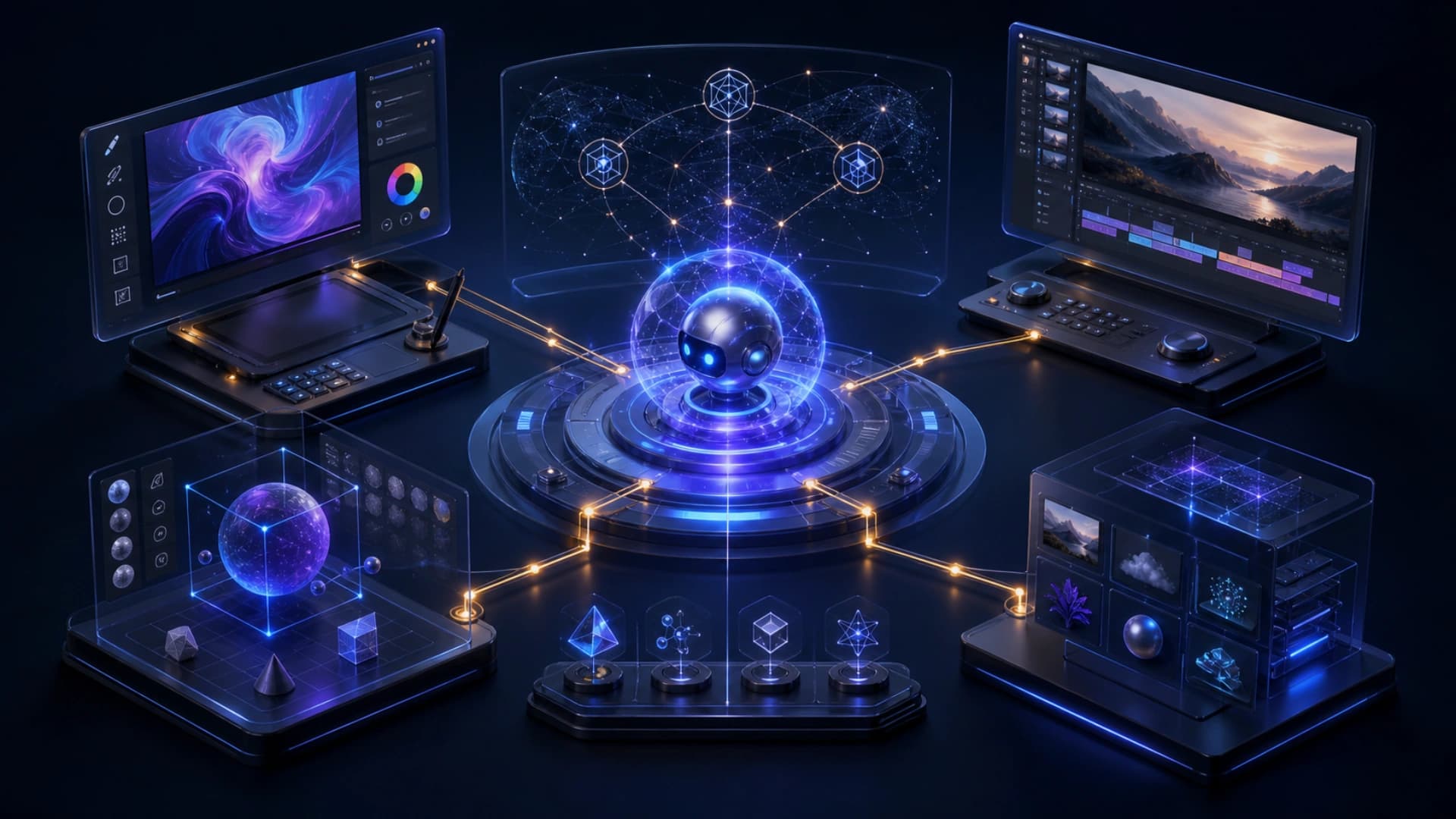
The clearest direction is Model Context Protocol (MCP) connectivity. NVIDIA says MCP lets creative applications expose scenes, shots, timelines, assets, and edit state so an agent can inspect missing textures, flag inconsistent color management, prepare export variants, generate playblasts, or validate a shot against pipeline rules. That is closer to a production workflow than handing a file to a model and waiting for a paragraph of advice.
The company lists an ecosystem that includes Adobe, Affinity by Canva, Blender, Boris FX Silhouette, Foundry Griptape, SideFX Houdini, and Unreal Engine. The shared idea is to put the agent’s tool boundary inside the production software people already use. Creators keep final control while the agent handles cross-asset checks, repetitive edits, batch output, and rule-based validation.
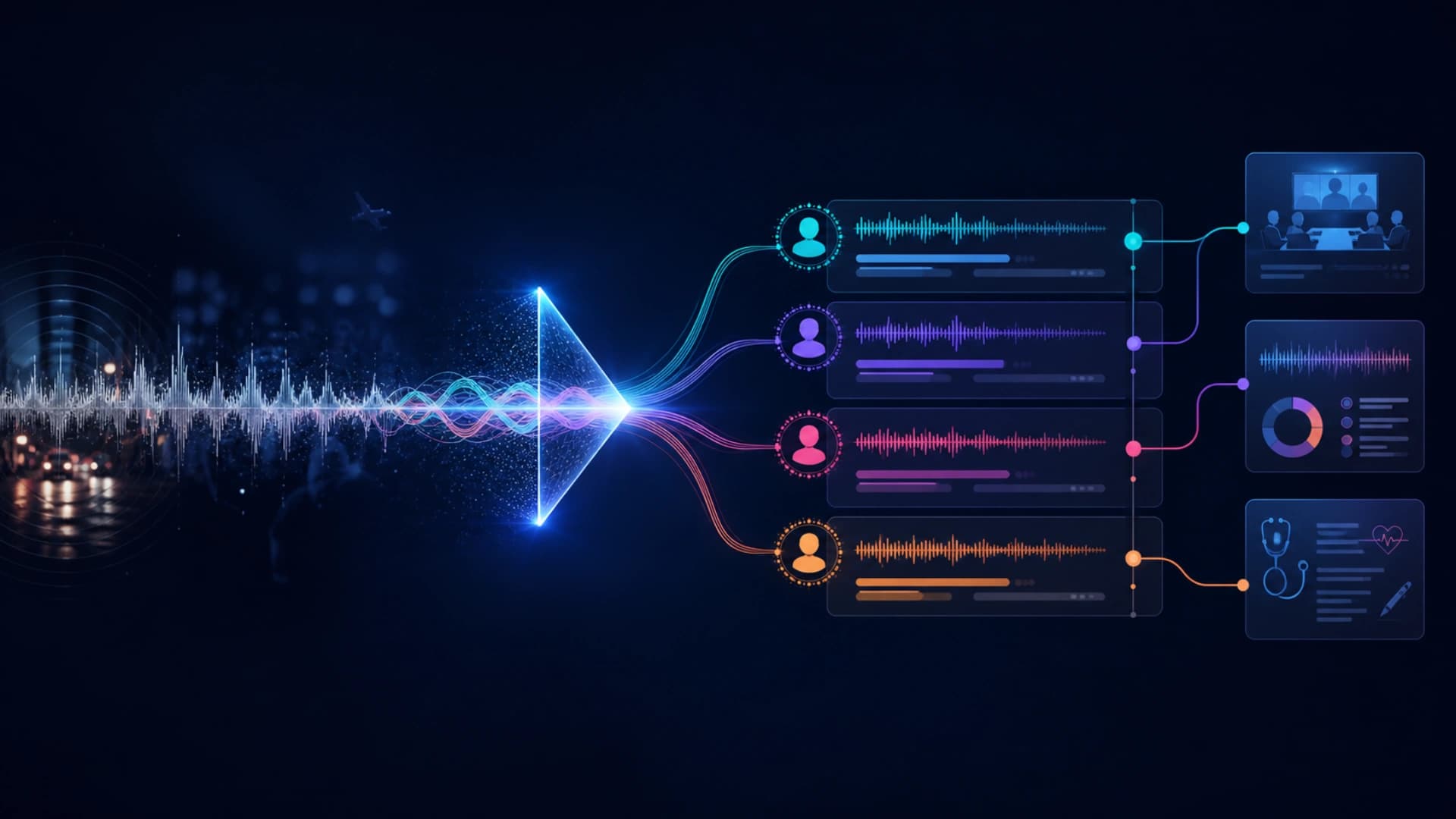
NVIDIA also introduced the Synthetic Video Detector NIM microservice for newsroom and media workflows. NVIDIA reports up to 92% accuracy on uncompressed video, 87% at 15% compression, and 82% at 50% compression in its testing, along with processing 1080p video in about 22 milliseconds on RTX systems. Those figures are vendor-reported test claims; real results will depend on source footage, encoding, crops, and deployment conditions.
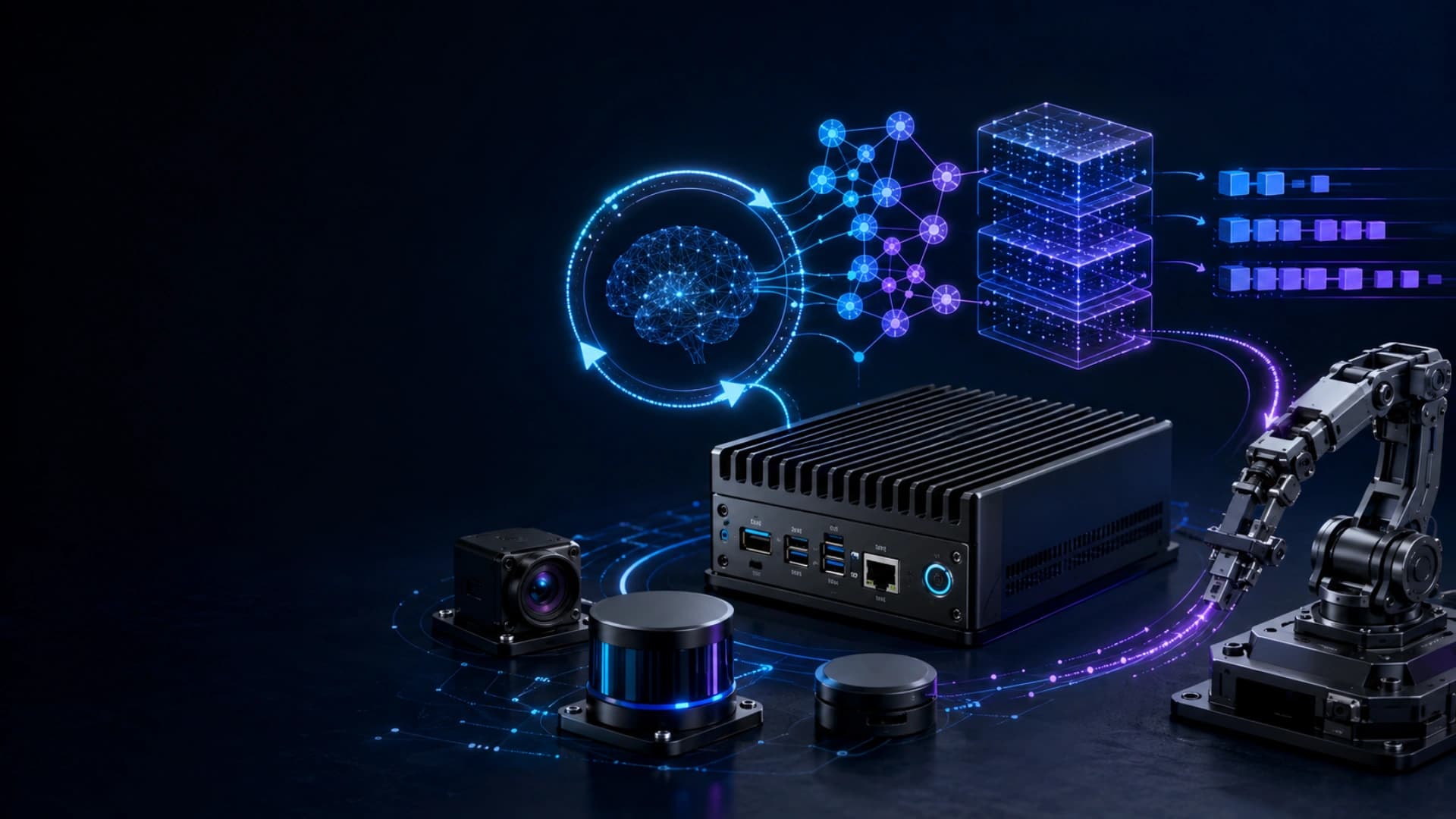
For physical AI, Cosmos 3 Edge is available as a 4-billion-parameter multimodal world model that can understand and generate text, images, video, ambient sound, and action. NVIDIA says it can run on Jetson, RTX PRO, DGX, and GeForce RTX hardware for vision analytics, robot learning, traffic monitoring, logistics, and industrial inspection. Agent Toolkit and OpenShell add local setup, MCP integration, and policy-controlled execution.
The practical warning is that connecting a tool is not the same as governing it. MCP permissions, read and write scope, external connections, activity logs, and approval points need to be defined before an agent enters a real production path. The SIGGRAPH update shows the competitive question moving from whether a model can answer to whether an agent can finish work in the right tool context.