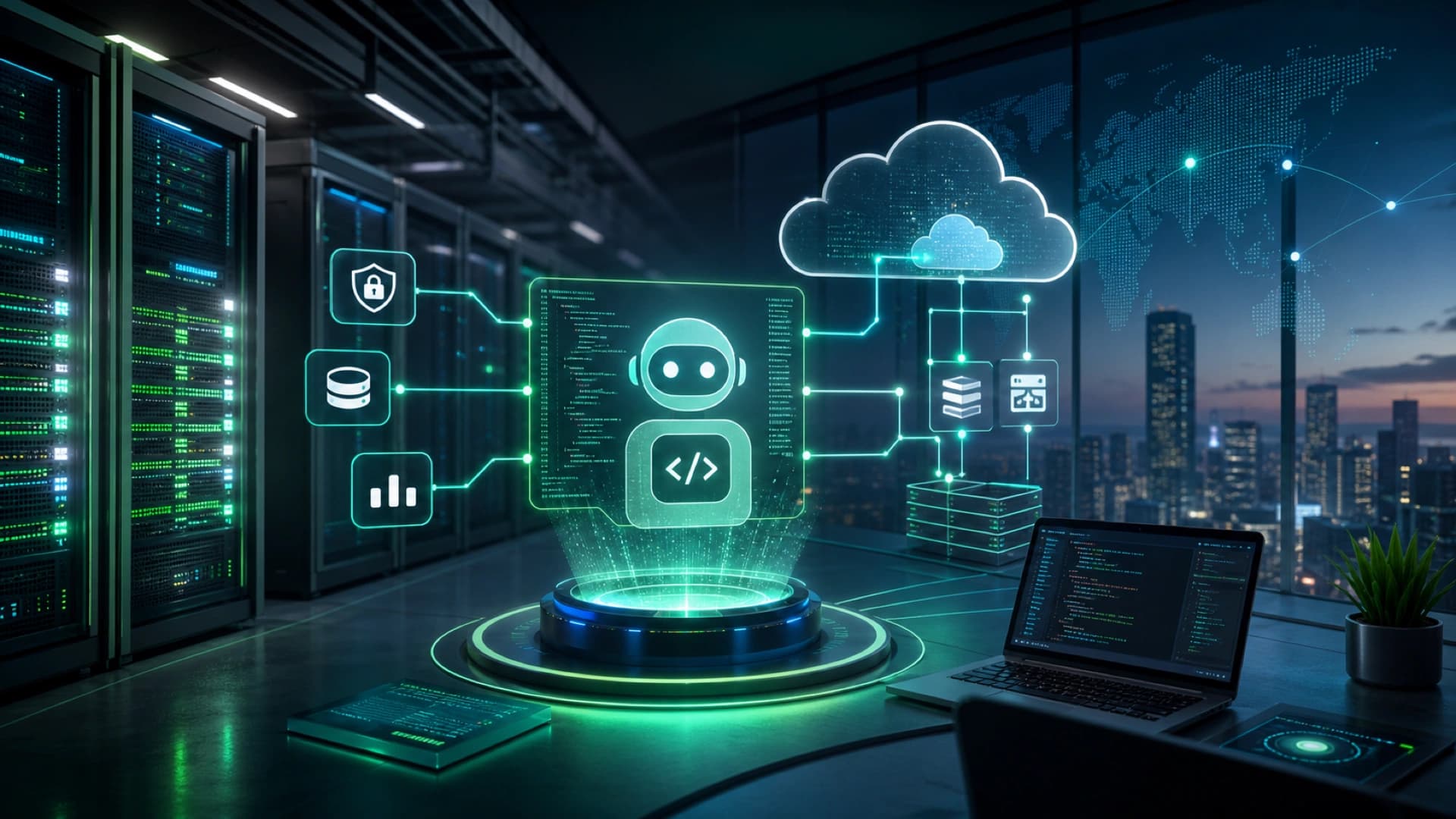
On May 18, 2026, OpenAI announced a collaboration with Dell Technologies to help more enterprises deploy Codex in hybrid and on-premises environments. The important point is not simply another infrastructure partnership. It is that Codex is moving from a developer assistant toward an enterprise agent layer.
OpenAI says Codex is one of its fastest-growing enterprise products, with more than 4 million developers using it every week. Companies already use it for code review, test coverage, incident response, and reasoning across large repositories. OpenAI also says Codex is expanding beyond coding into work such as gathering context across tools, preparing reports, routing product feedback, qualifying leads, writing follow-ups, and coordinating work across business systems.
That reframes Codex as more than a coding tool. It is becoming an agent that can reason over enterprise context. To do that well, the agent has to work close to where company data and workflows actually live. That is why the announcement focuses on the Dell AI Data Platform and Dell AI Factory, where businesses already store, organize, govern, and run AI workloads.
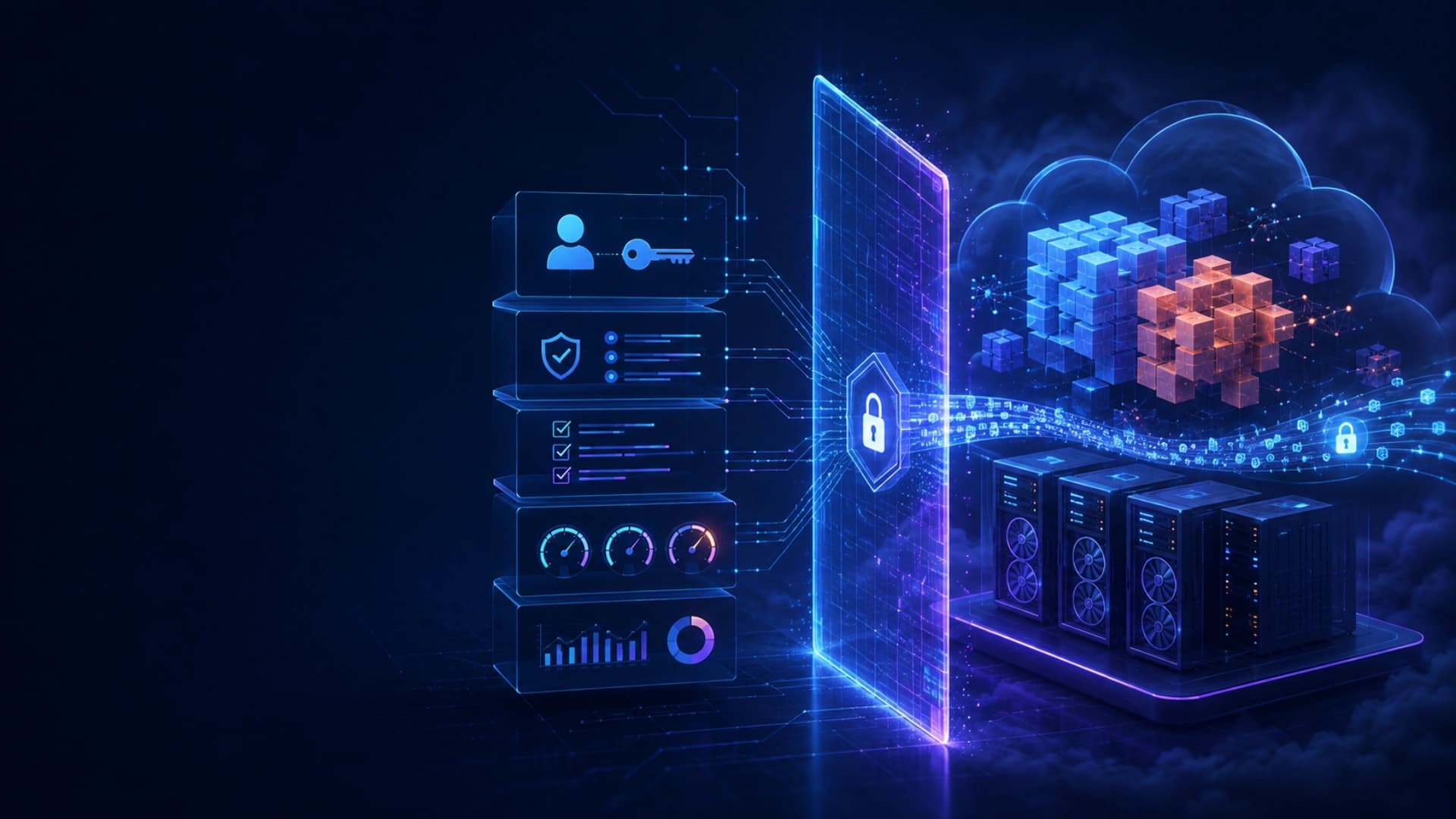
For large organizations, this is a practical deployment issue. Sensitive records, operational knowledge, and internal systems do not always move fully into public cloud environments. If an AI agent can only operate outside those boundaries, its useful scope is limited. Bringing Codex closer to governed enterprise data can give agents more complete context while preserving the controls and deployment flexibility enterprises need.
The announcement also shows agent competition shifting toward deployment architecture. Model capability still matters, but enterprises also care about data boundaries, identity, permissions, infrastructure strategy, and auditability. OpenAI and Dell are positioning Codex for that hybrid reality.
For smaller companies, the lesson is still relevant even without on-premises infrastructure. Before building AI-agent workflows, teams should decide what data the agent needs, which systems it can touch, which workflows are in scope, and which information must remain controlled. The value of an agent often depends less on raw model power and more on whether it can reach the right context safely.
OpenAI's signal is clear: the next stage of enterprise agents is not only better coding. It is repeatable, governable systems that can live inside real operations. If Codex can safely connect to enterprise data and workflows, it can expand from engineering into reporting, sales, operations, product, and knowledge work.