On April 22, 2026, OpenAI launched workspace agents in ChatGPT. The significance is not just that ChatGPT gained another agent entry point. The more important shift is that ChatGPT is being positioned less as a personal assistant and more as a team workflow layer. That matters because many business tasks are not single-user prompts. They are shared processes with handoffs, approvals, context gathering, and recurring execution.
OpenAI describes workspace agents as an evolution of GPTs, but the operating model is broader. These agents are powered by Codex in the cloud, can access files, tools, memory, and connected apps, and can continue long-running work when the user is away. In practice, that changes the agent from a conversational helper into a delegated unit of work that can move across tools over time.
The example workflows OpenAI highlights are telling: software review, product feedback routing, weekly metrics reporting, lead outreach, and third-party risk management. These are not novelty demos. They are high-frequency business processes with repeatable inputs, multiple systems, clear steps, and human checkpoints. That is exactly where workflow automation tends to create the clearest return on investment.
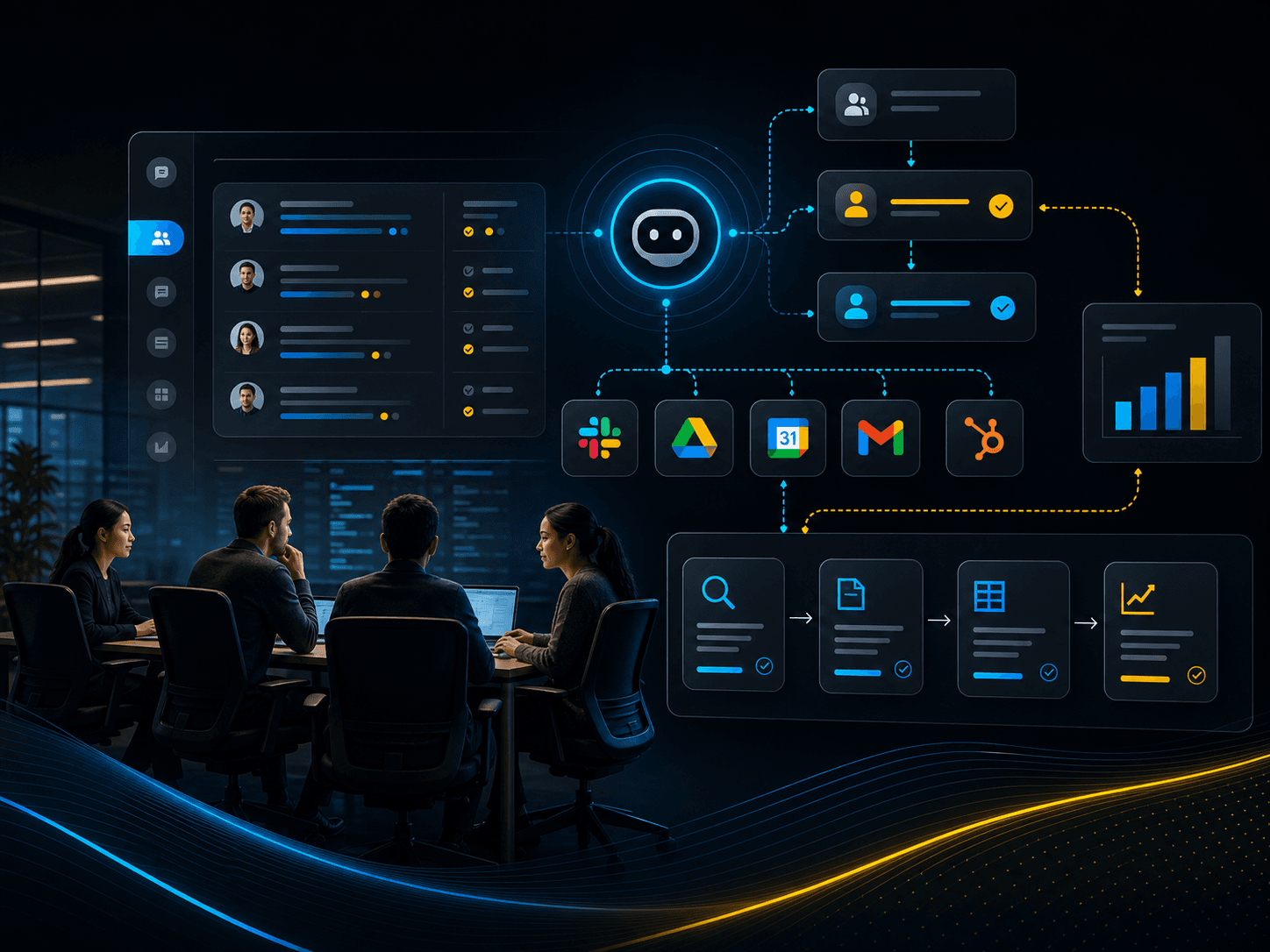
Another important shift is that the agent is no longer tied to one person. Workspace agents can be shared inside ChatGPT and deployed into Slack, allowing teams to interact with them where work already happens. For SMEs, this matters because the hardest problem is often not model quality. It is that knowledge lives across people and tools, while process knowledge is passed around informally and re-explained every time.
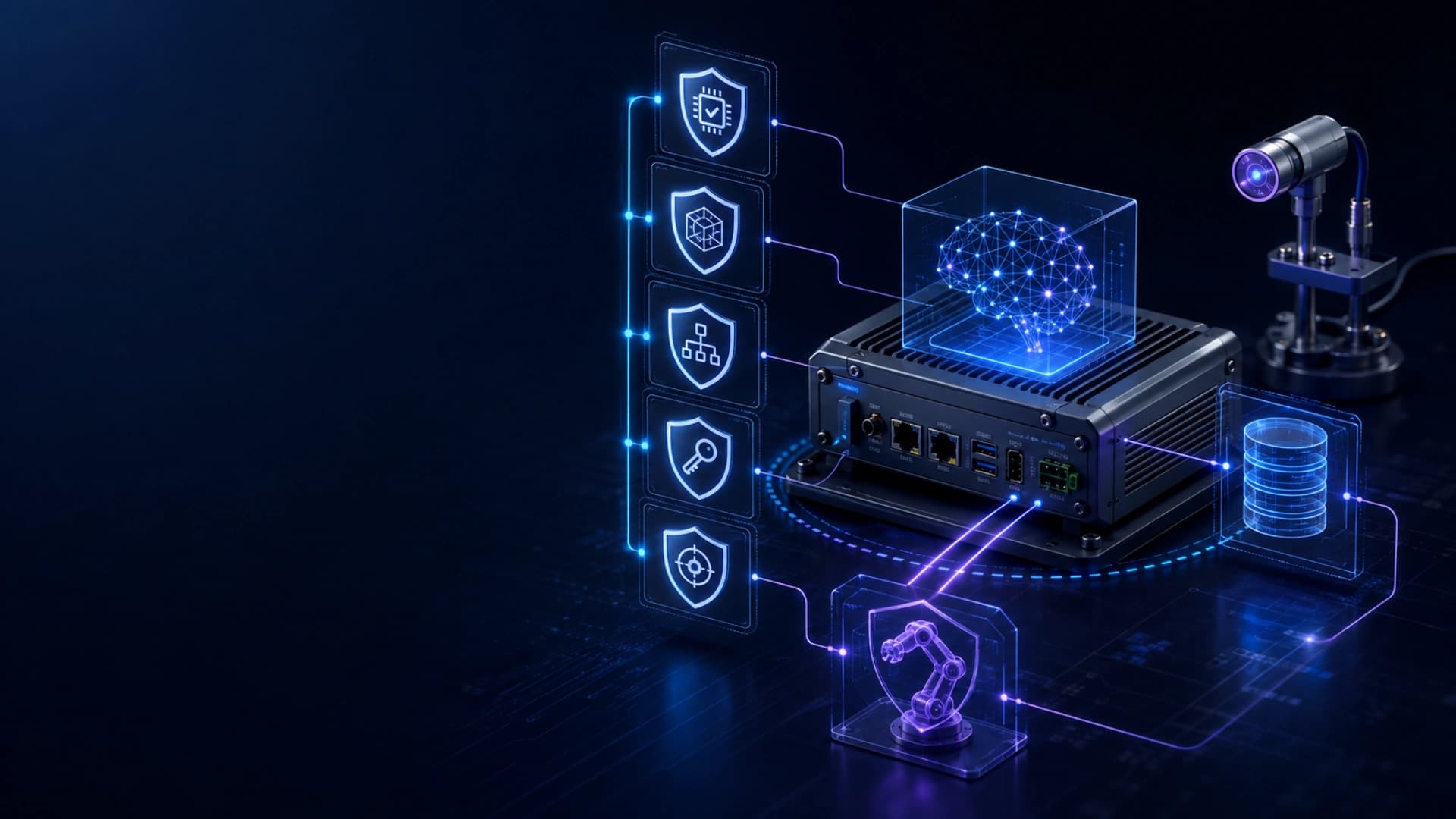
OpenAI also puts unusual emphasis on governance. Admins can control which tools an agent can access, which actions require approval, and who is allowed to build or share agents. The Compliance API adds visibility into each agent's configuration, updates, and runs. Once AI is embedded into live business workflows, those controls become central. Speed matters, but controllability, permissions, and auditability matter more.
From a VMTS perspective, the strongest signal in this launch is that it binds together AI agents, internal process, and collaboration surfaces. Website enquiries, sales qualification, reporting, first-draft content, knowledge retrieval, and ticket routing are rarely isolated tasks. When an agent can run across ChatGPT and Slack with connected tools, scheduled execution, and human approval points, a business can begin to stitch those fragmented tasks into one operating chain.
For Hong Kong businesses, the right takeaway is not to build ten agents at once. It is to choose one shared, repeatable workflow first. Good starting points include lead follow-up, enquiry classification, weekly management reporting, internal knowledge Q&A, or the handoff between marketing and sales. Define the process, data sources, and approval rules clearly, then bring the agent in.
The most important part of OpenAI's announcement is that agents are moving beyond personal productivity features and becoming team operating surfaces. The strategic question is no longer whether every employee has AI. It is which shared workflows can be safely delegated first, while humans stay focused on approvals, exceptions, and final decisions.