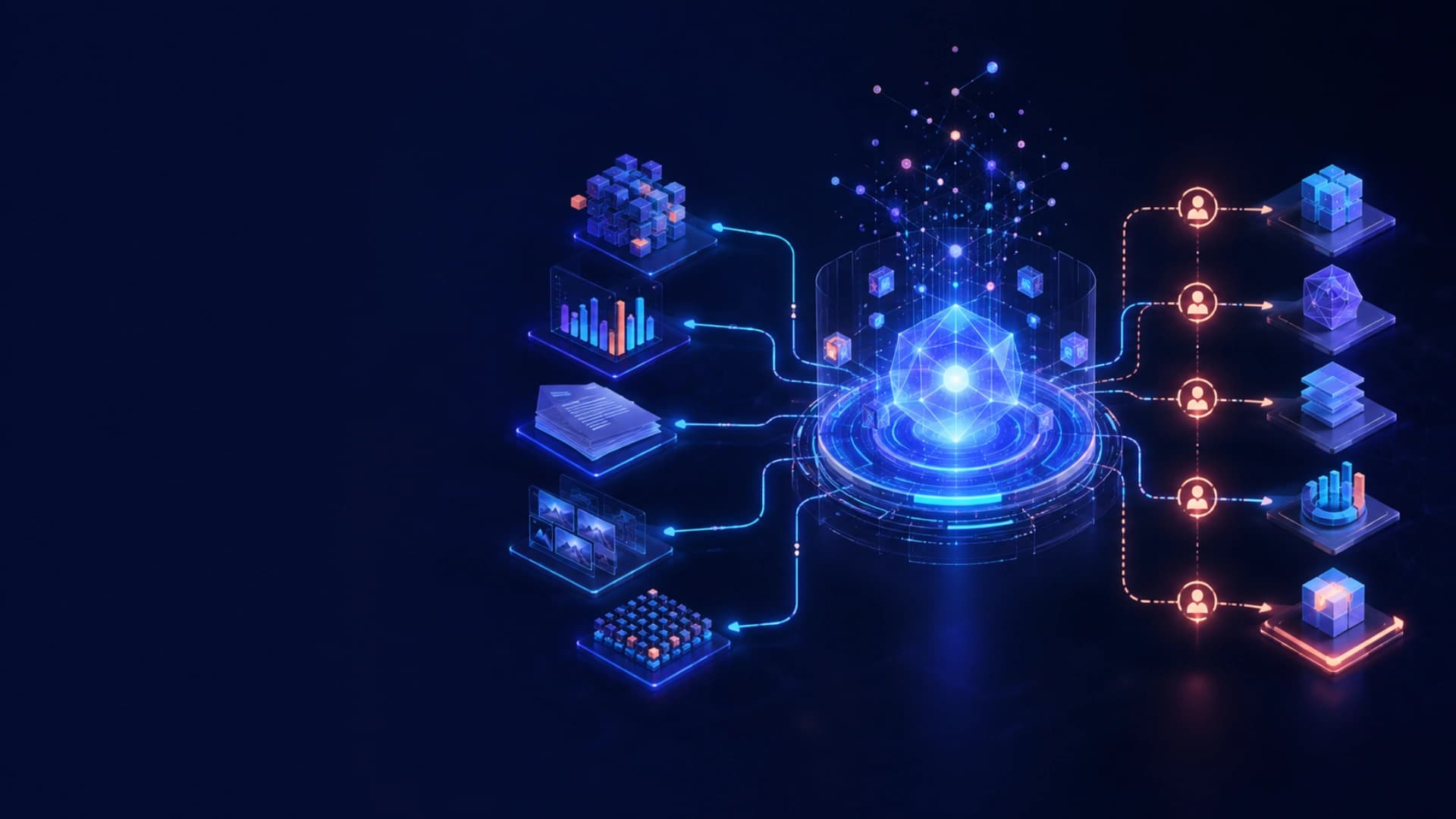
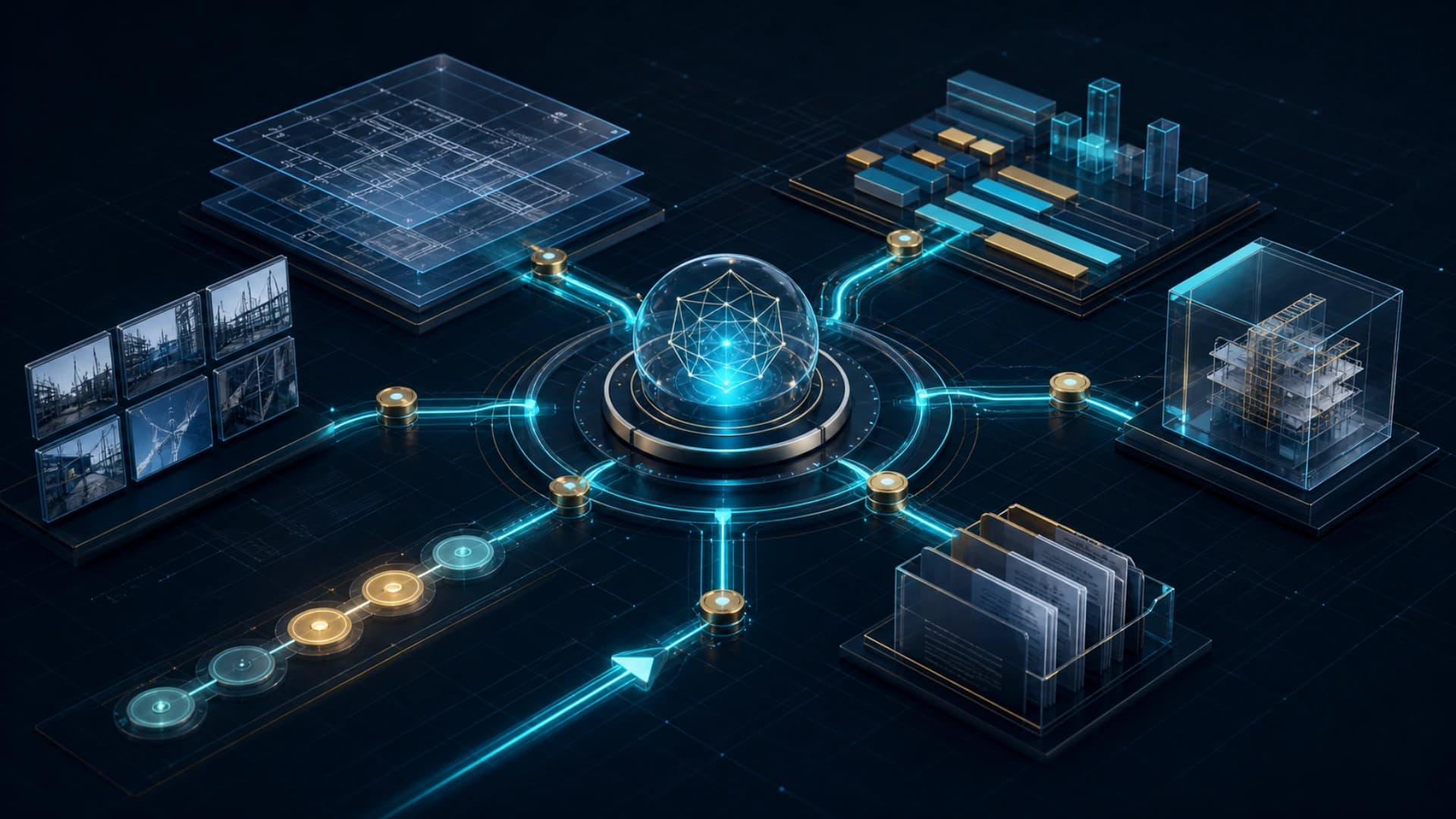
On July 23, 2026, Procore announced three Digital Coworker packages and said its construction-focused AI agent library had expanded to 20 agents. The direction is not a general chatbot. It is a set of agents that can sit inside project workflows such as submittal review, RFIs, daily logs, safety, scheduling, change management, and contract review.
The Starter Pack provides five ready-to-use agents. Pro expands the library to 20 agents, while Enterprise adds more agents, Agent Studio, and advanced customization. Procore says all three Digital Coworker packages are now generally available. Skills will begin rolling out across the packages in August, while Agent Studio is exclusive to Enterprise.
The architecture puts domain knowledge inside the workflow. Procore Skills lets customers teach the AI their standard operating procedures, project standards, and best practices through plain-language prompts or company documents. The release names a Site Safety Agent, Schedule Analyst Agent, and Change Analysis Agent for work involving field safety, schedule risk, and the cost or timeline impact of changes.
Control Tower is the governance layer described in the announcement. Procore says every package includes visibility into AI usage and credit consumption by agent, project, or team member. That matters because enterprise agent adoption is not only about whether an agent can perform a task. It is also about who used it, how much it consumed, where the output was produced, and which actions require approval.
Procore cites an early customer example from Haskell, saying submittal reviews fell from seven days to ten minutes. This is a vendor-reported customer case in the press release. The page does not provide an independent methodology, task scope, or long-term error rate, so it should be treated as an example rather than a general productivity benchmark.
For construction and other professional-services teams, the useful pattern is the combination of prebuilt agents, company procedures, and usage governance. Prebuilt agents lower the starting cost, Skills can make implicit working methods explicit, and Control Tower can expose adoption and spend. But stale documents, incomplete project metadata, or unclear approval boundaries can still cause automation to scale the wrong result.
Vertical agents are moving the market from generic assistants toward workflow-specific coworkers. The stronger evaluation question is not whether an agent can produce a summary, but whether it cites the right project record, shows uncertainty, preserves source context, respects permissions, and hands high-risk safety, cost, or contract decisions back to people. Procore’s release is a product direction; each team still needs to test it against its own SOPs, data quality, and review process.